Entertainment news and discussion on TalkFuse.
Rich parents shell out up to $300K a year to turn kids into Formula One stars: report
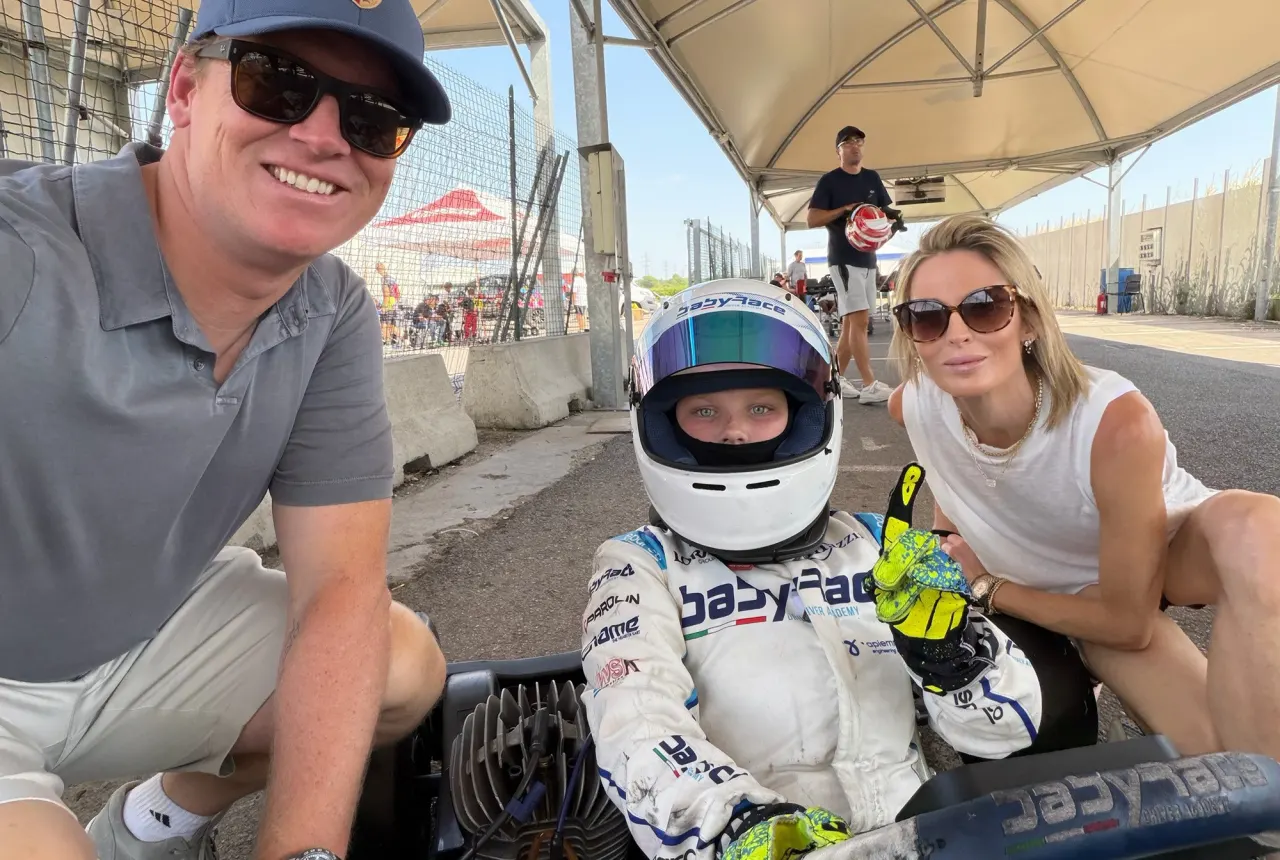
Wealthy families are spending heavily to prepare young children for possible Formula One careers, helping drive growth in exclusive motorsport clubs and youth racing programmes. The trend matters because it raises questions about the cost and safety of the sport, and whether financial backing is becoming as important as driving talent.
Costs can reach $300,000 a season for coaching, equipment, fuel, entry fees and travel, while some club memberships approach $200,000. One New York club has seen children’s karting bookings rise 84% since 2024; examples include an 11-year-old racing four days a week after his family moved to Italy. Experts warn of serious injury risks, pressure on children and the lack of any guarantee of success, with progression through the sport’s ranks estimated to cost up to $8 million.
In short
- Families may spend up to $300,000 a season on young racers.
- Children’s karting bookings at one club rose 84% since 2024.
- High costs bring safety concerns and no guarantee of reaching F1.
Steelman: both sides, in good faith
The strongest fair case each way — we don't pick a winner.
The case for
Early investment can give talented young drivers the coaching, track time and equipment needed to develop in a highly competitive sport, while clubs and youth programmes can offer structured training and a community around racing. Families may reasonably see the expense as supporting a child’s ambition, provided the child enjoys it and adults put safety, education and wellbeing first.
The case against
The scale of spending risks making access to elite motorsport depend more on family wealth than driving ability, narrowing opportunity for talented children from less affluent backgrounds. Intensive training also brings physical risks and pressure at a young age, while the enormous costs and uncertain prospects make it important to question whether children’s interests and welfare are being subordinated to an unlikely career goal.
Explained simply
Formula One is the top level of international motor racing, and drivers usually begin in karting before moving through junior racing categories. Families who hope their children might reach F1 can pay for coaching, equipment, travel and race entry, with costs rising as they progress.
The sport’s youth pathways include private clubs and racing programmes, where access can depend on substantial family spending. This has prompted questions about whether money is becoming as important as driving ability in reaching the top levels.
Karting and other forms of motor racing carry risks of serious injury, and intensive training can put pressure on children. There is no guarantee of a professional career, even after years of investment.