World news and discussion on TalkFuse.
Trump’s embrace of Xi caused quite the stir — but look at what the US president has done to China
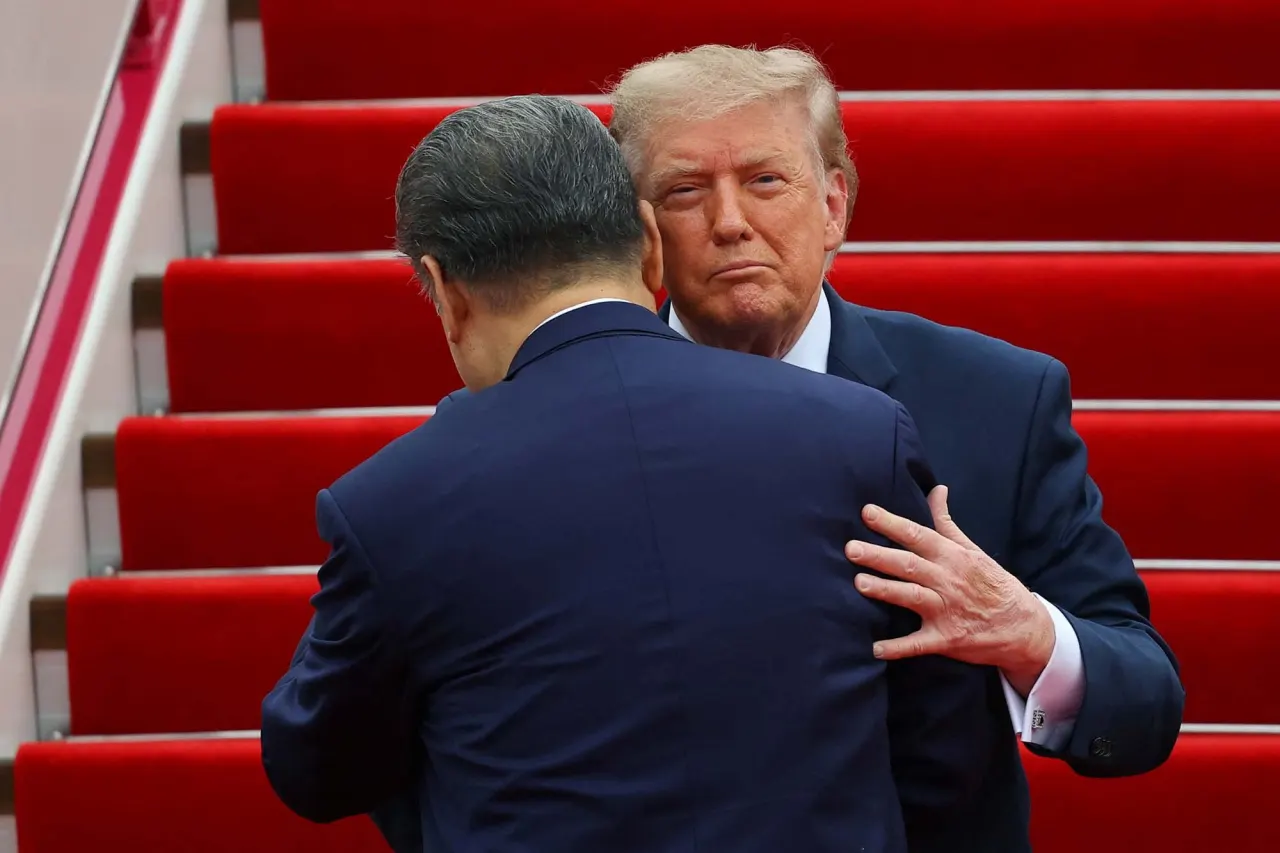
Donald Trump’s public embrace of Chinese President Xi Jinping drew criticism from commentators who said he was too close to an authoritarian leader. The opinion article argues that the gesture should be judged alongside Trump’s actions, which it says continue to treat China as a strategic adversary.
The article points to restrictions on sales of advanced technology to countries that might pass it on to China, and alleges that Beijing has failed to deliver promised rare earth shipments and agricultural purchases under a trade agreement signed six months earlier. It also accuses China of continuing to supply fentanyl precursors, conduct cyberattacks and theft, and send support to Russia and Iran. These claims are presented by the author, who concludes that Trump’s warmth towards Xi is a diplomatic tactic.
In short
- Trump’s embrace of Xi prompted criticism.
- The author says US policy still counters China.
- The article alleges Beijing has broken trade and security commitments.
Steelman: both sides, in good faith
The strongest fair case each way — we don't pick a winner.
The case for
A public show of warmth can be a diplomatic tool, keeping communication open with a powerful rival and creating room to pursue concrete US interests. On this view, Trump’s technology restrictions and the article’s allegations about China’s conduct suggest that his friendly gesture does not amount to trust or a retreat from a firm stance.
The case against
A conspicuously warm embrace of an authoritarian leader can confer legitimacy and make it harder to sustain a clear public message about human rights and strategic competition. Even if the administration is taking a hard line on technology and other disputes, critics may reasonably question whether personal diplomacy risks signalling accommodation without securing meaningful concessions.
Explained simply
The United States and China are major powers whose relationship combines trade and diplomacy with competition over technology, security and influence. Donald Trump is the US president, and Xi Jinping leads China; both countries’ decisions can affect global markets and relations with other governments.
Rare earths are minerals used in products such as electronics and military equipment, and China is an important supplier. The two countries have also made trade agreements and dispute issues including technology controls, cyber activity and the supply of chemicals used to make fentanyl. These tensions help explain why a friendly public gesture between their leaders can attract attention.
Americas Asia Government Politics World