World news and discussion on TalkFuse.
Former national security staffer on how presidents prepare for talks with world leaders
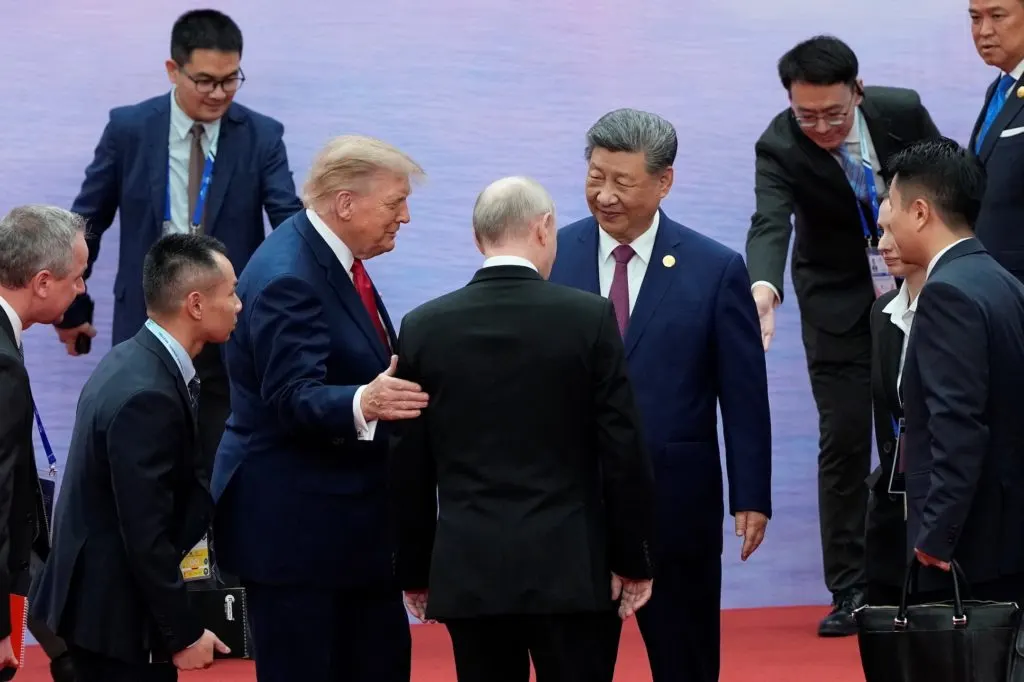
Julia Curlee, a former CIA analyst and National Security Council staffer, said China’s warm welcome for Donald Trump was intended to appeal to his interest in status and legacy. She argued that the carefully staged display could help Xi Jinping seek concrete concessions from the US, making the summit’s symbolism relevant to its practical outcomes.
Curlee said Chinese officials may pursue an extension of the trade truce on China’s terms, a pause in potential export controls, or continued suspension of arms sales to Taiwan. She said a three-power nuclear arms control agreement was unlikely, as China has indicated it would not agree before reaching parity with the United States. The interview also raised the Nvidia chip diversion scandal as context for the talks.
In short
- China’s warm welcome may be designed to influence Trump.
- Beijing could seek trade and technology concessions.
- Curlee said a nuclear arms deal was unlikely.
Explained simply
The National Security Council advises the US president on foreign policy and security, drawing on officials from across the government. CIA analysts assess information about other countries, while former officials such as Julia Curlee can offer their own interpretations of how leaders prepare for meetings.
Donald Trump, the US president, and Xi Jinping, China’s leader, meet amid disputes over trade, technology and security. Taiwan is self-governing, but China claims it as part of its territory; US arms sales to Taiwan are a recurring point of tension.
The US and China have also competed over access to advanced computer chips, which can have both commercial and military uses. Nuclear arms control refers to agreements that limit or manage countries’ nuclear weapons, and talks involving the US, China and other nuclear powers depend on what each is willing to accept.
Asia Government Politics World