World news and discussion on TalkFuse.
Miranda Devine: Markwayne Mullin was woefully tone-deaf during the FAA crisis — we need someone who knows what they’re talking about
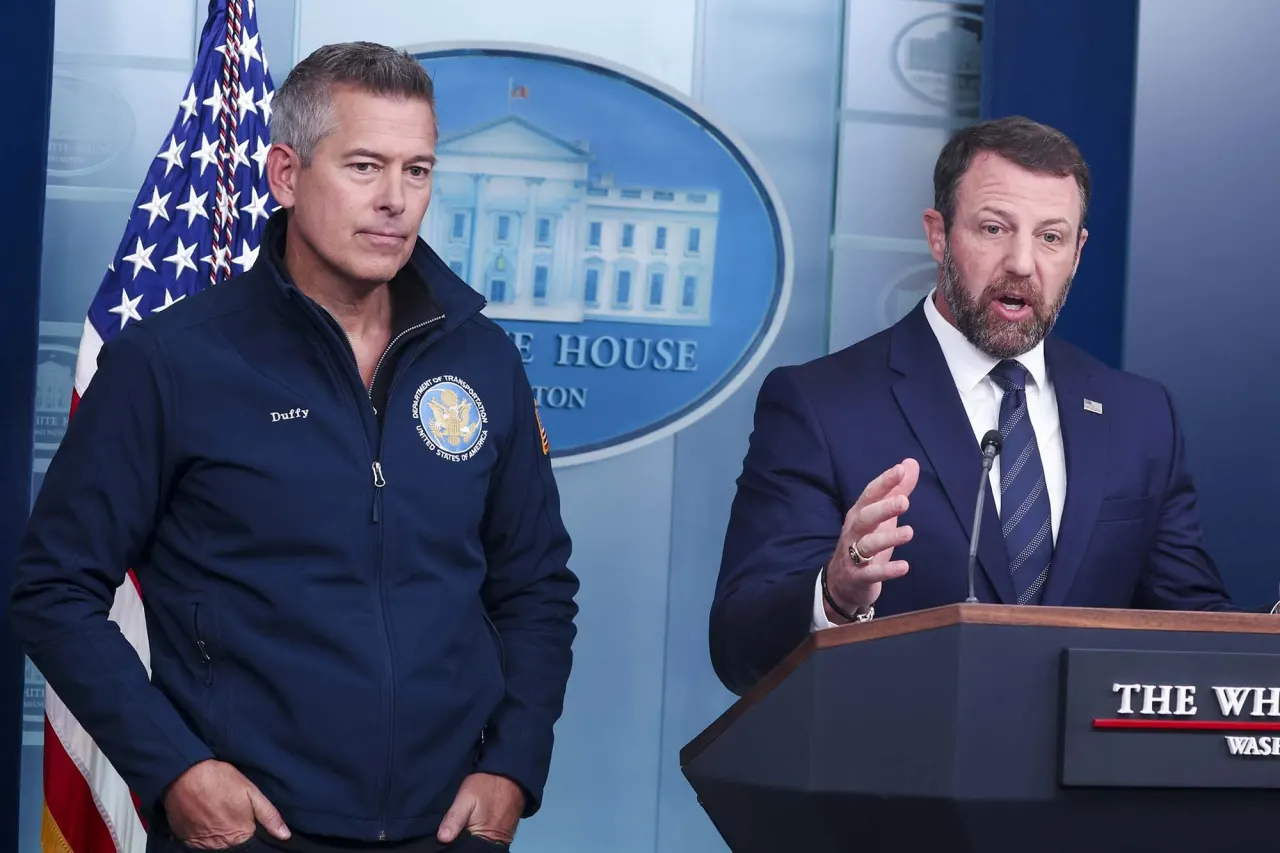
The columnist criticises Homeland Security Secretary Markwayne Mullin’s response to a nationwide FAA ground stop, arguing that his casual remarks and decision to travel to a college football game undermined public confidence during a crisis. She contrasts his approach with Transportation Secretary Sean Duffy’s efforts to explain the disruption and says officials should communicate carefully, especially amid wider anxiety about recent technology outages.
The article says the ground stop left travellers stranded and followed a week of outages affecting major technology, banking and travel services. Mullin said the incident was not another 9/11 and offered a tentative comparison to a computer programme repairing itself; the next day, after 14,000 flights had been cancelled, he travelled to Louisiana State University on a government jet. He says he was required to use the aircraft, would reimburse the government for the flight, and paid for his own game ticket.
In short
- The columnist says Mullin’s response weakened confidence during the FAA crisis.
- 14,000 flights had been cancelled by the time he travelled to a game.
- Officials have suggested recent outages may stem from patching and ageing systems.
Steelman: both sides, in good faith
The strongest fair case each way — we don't pick a winner.
The case for
During a nationwide aviation disruption, senior officials have a duty to communicate clearly and show that they grasp its impact; casual comparisons and conspicuous travel can reasonably make stranded passengers doubt whether the response is being taken seriously. Mullin’s defenders may argue that he sought to reassure the public that the incident was not a terrorist attack, followed travel rules requiring government aircraft, and offered to reimburse the flight, but those explanations do not remove the need for careful crisis communication.
The case against
Mullin’s remarks and trip can be defended as neither evidence of mishandling nor indifference: he explicitly said the ground stop was not another 9/11, and described the technical problem tentatively rather than claiming certainty. If his role required him to use the government aircraft and he reimbursed the flight while paying for his own ticket, the trip may have complied with the rules; judging an official’s competence chiefly by tone and optics risks distracting from the technical response and the information available at the time.
Explained simply
The Federal Aviation Administration (FAA) oversees civil aviation in the United States and can order a ground stop when flights need to be paused for safety or operational reasons. Such a stop can disrupt journeys across the country, leaving passengers waiting and airlines working to reschedule flights.
Markwayne Mullin is the US homeland security secretary, while Sean Duffy is the transportation secretary; both have roles in responding to national transport disruptions. The story concerns how senior officials communicate during a crisis, when travellers and the wider public may be seeking clear explanations and reassurance.
Recent outages affecting technology, banking and travel services have added to public concern about how dependent everyday services are on computer systems. The dispute also raises questions about official travel on government aircraft and how its use is explained to the public.