World news and discussion on TalkFuse.
Andy Burnham is in danger of over-selling his big Brussels summit. What happens if he under-delivers? | Joël Reland
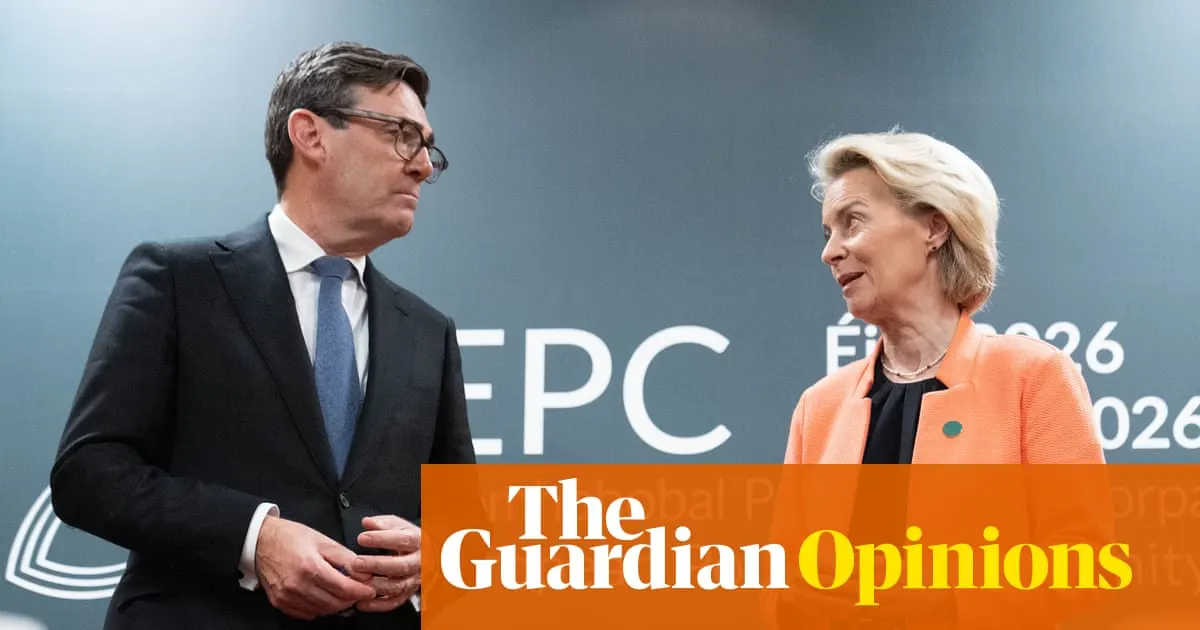
The article argues that Andy Burnham risks raising expectations too high ahead of his Brussels meeting with EU leaders. The summit could mark a step towards a closer UK-EU relationship, but if its announced outcomes prove slow or limited, voters may lose trust in his promises and support for revisiting Brexit could weaken.
The UK and EU are expected to present draft agreements to ease trade in food and carbon-intensive goods, but they depend on resolving university fees and require legislation and new systems, with implementation likely in 2028. The article says support for EU membership stands at 62%, though it can shift when voters consider policy details. It also notes that possible UK access to the EU’s “Made in Europe” programme remains uncertain and could involve restrictions on Chinese goods, raising costs and risking retaliation.
In short
- Burnham faces high expectations for the Brussels summit.
- Trade agreements may not take effect until 2028.
- EU membership support is broad but potentially fragile.
Steelman: both sides, in good faith
The strongest fair case each way — we don't pick a winner.
The case for
A high-profile Brussels summit can build momentum for practical cooperation and show that closer UK-EU ties are achievable. Setting out draft agreements, even if they need legislation and time to implement, may give businesses and voters a clearer route towards easier trade and deepen trust through concrete progress.
The case against
Promoting the summit as a major breakthrough risks creating expectations that draft, conditional agreements may not meet, especially if benefits take years to arrive. Uncertain access to “Made in Europe” and possible higher costs or retaliation also make caution reasonable; disappointment could weaken public trust and support for closer ties.
Europe Geopolitics Politics UK World