World news and discussion on TalkFuse.
Mideast crisis ‘largest threat’ to energy security ever: IEA
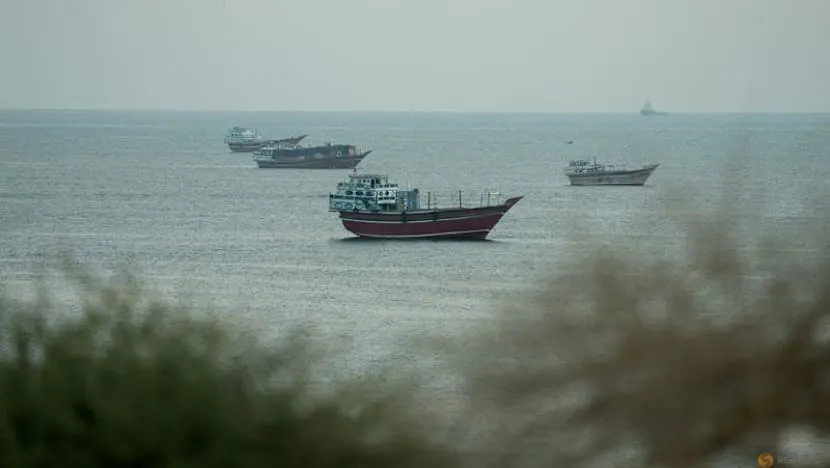
The International Energy Agency says the Middle East crisis poses the largest threat to energy security in history, exceeding the oil shocks of the 1970s. It warns that consumers are increasingly bearing the cost as disruption to energy supplies continues and other ways of cushioning the impact run down.
The crisis began in February after US and Israeli strikes on Iran, followed by Iran’s blockade of the Strait of Hormuz and attacks on tankers. The strait carried about one-fifth of global oil shipments before the crisis; despite US efforts to escort vessels, supply lines remain severely disrupted. The IEA says the longer the crisis lasts, the deeper its effects, while its outlook forecasts oil demand peaking around 2030 and gas demand rising until about 2035 in its middle scenario.
In short
- IEA calls the crisis the greatest energy security threat in history.
- Hormuz disruption affects a route that carried one-fifth of global oil.
- Consumers face higher prices as supply buffers are depleted.
Explained simply
The Strait of Hormuz is a narrow sea route between Iran and Oman, linking the Gulf’s oil and gas producers to buyers around the world. Before the crisis, about one-fifth of global oil shipments passed through it, so disruption there can affect supplies well beyond the Middle East.
The International Energy Agency is an organisation that tracks energy supplies and advises governments. Its comparisons with the oil shocks of the 1970s refer to earlier periods when supply disruptions drove up costs and affected economies. How long the disruption lasts matters because countries and consumers have limited ways to make up for missing supplies.