World news and discussion on TalkFuse.
Circle Line reliability falls 23% in October as overall MRT performance dips from record high
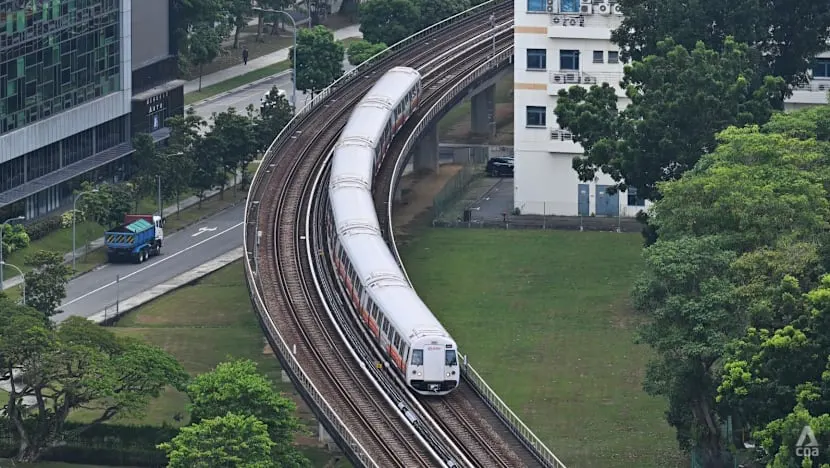
The Circle Line’s 12-month mean distance between delays of more than five minutes fell 23 per cent in October, while the overall MRT network’s measure also declined from September’s record. The figures show that reliability softened after a strong month, although the network remained above two million train-kilometres between failures for a seventh consecutive month.
The Circle Line’s measure fell from 2.57 million to 1.97 million train-kilometres, but train service delivery improved to 99.85 per cent and punctuality held at 99.31 per cent; there were no delays longer than 30 minutes. Across the MRT network, the measure fell 7 per cent to 3.14 million train-kilometres. The Bukit Panjang LRT rose to a record 667,000 car-kilometres, while the Land Transport Authority says the measure does not capture disruption duration or its full impact on passengers.
In short
- Circle Line reliability measure fell 23 per cent in October.
- Overall MRT figure dropped 7 per cent from September’s record.
- Circle Line service delivery improved and punctuality was unchanged.
Explained simply
Singapore’s MRT is the city’s urban rail network, with several lines serving different parts of the island. The Circle Line is one of those lines, while the Bukit Panjang LRT is a separate light rail system.
One way the Land Transport Authority measures reliability is the distance trains travel, on average, between delays lasting more than five minutes. The figures are rolling 12-month averages, so they reflect performance over time rather than just one month.
This measure helps compare how often significant delays occur, but it does not show how long disruptions last or how many passengers they affect. It is therefore only one part of assessing the quality of rail services.