World news and discussion on TalkFuse.
San Francisco breaks rain record as atmospheric river buffets California
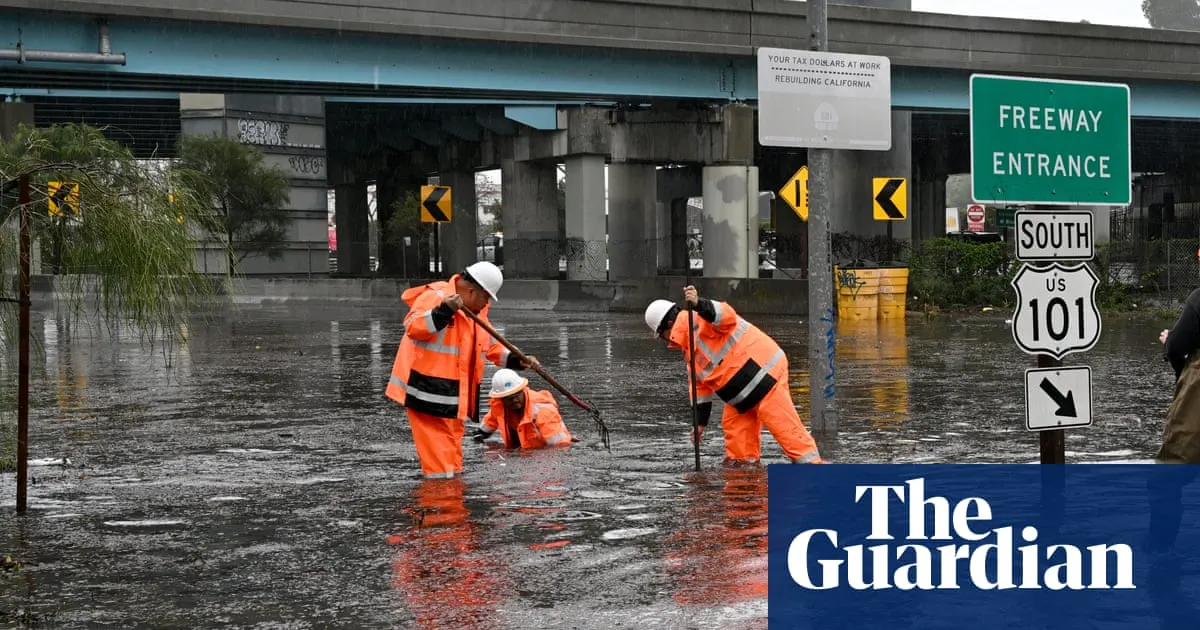
An atmospheric river brought heavy rain and high winds across California, causing flooding, power cuts, transport disruption and evacuation orders. San Francisco broke a rainfall record set in 1917, underscoring the storm’s severity and the risks it posed across the state.
The storm delayed flights at San Francisco airport, flooded parts of the city’s waterfront and prompted ferry cancellations. Tens of thousands of households lost power, while flooding and debris closed roads, including a 47-mile stretch of Highway 1 near Big Sur. In Los Angeles County, residents in several areas affected by past fires were told to evacuate because of possible debris flows; up to four feet of snow was forecast in the highest Sierra Nevada. More rain is expected next week alongside high tides.
In short
- San Francisco set a new rain record, surpassing one from 1917.
- Flooding, power cuts and closures disrupted travel across California.
- More rain is forecast next week, coinciding with high tides.
Explained simply
An atmospheric river is a long, narrow band of moisture in the air that carries water vapour from the tropics towards land. When it reaches California, it can bring intense rain, strong winds and, in the mountains, heavy snow.
California’s varied landscape means storms can affect communities in different ways. Rain can overwhelm drains and rivers, while hillsides where wildfires have stripped vegetation can be more prone to mud and debris flows; coastal tides can also worsen flooding.
The effects can spread well beyond homes and streets, disrupting roads, ferries, flights and electricity supplies. These risks matter across the state because people may need to evacuate, and transport and emergency services can be harder to access during severe weather.