World news and discussion on TalkFuse.
For Putin, sharing a spotlight with Trump and Xi boosts his profile on the global stage
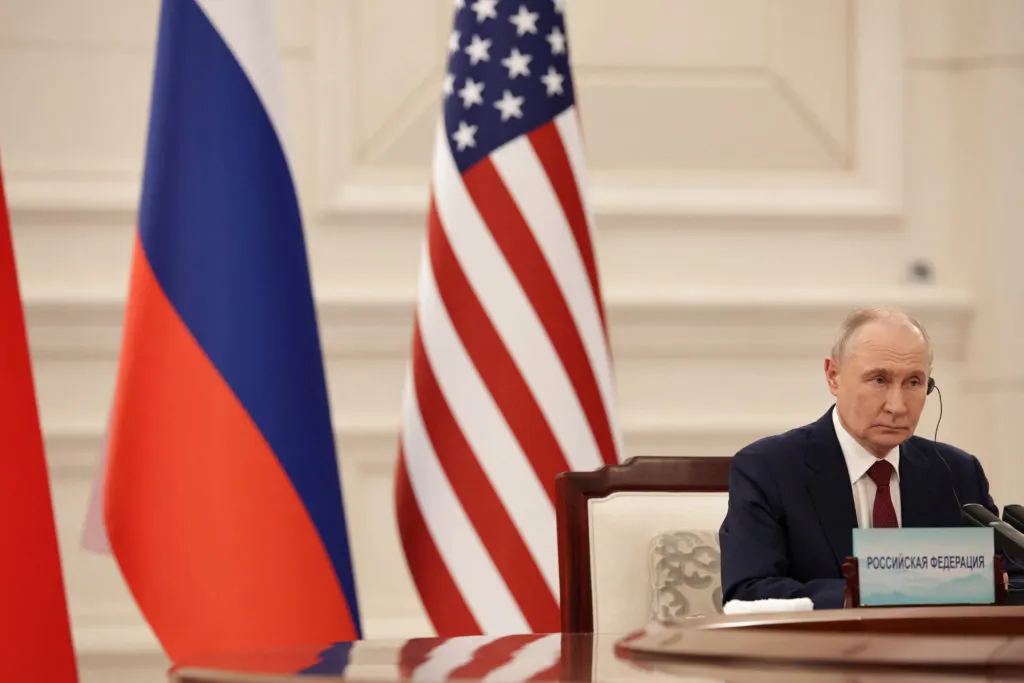
Vladimir Putin used a three-way meeting with Donald Trump and Xi Jinping to present Russia as an equal to the United States and China, and to push Moscow’s position on Ukraine. The summit also weakened the appearance of Western efforts to isolate him, while raising concern in Kyiv and European capitals that Trump might back terms favourable to Russia.
The talks took place on the sidelines of the Asia-Pacific Economic Cooperation summit in Shenzhen, after separate Trump-Putin discussions and recent US-mediated Russia-Ukraine negotiations in Abu Dhabi that made little visible progress. Putin said Russia had accepted a US-proposed compromise discussed in Alaska in August 2025, and argued Ukraine and its allies should accept it or face tougher demands. Analysts cautioned that Russia is not a superpower and that any settlement could involve pressure on Ukraine over territory.
In short
- Putin gained a high-profile stage alongside Trump and Xi.
- Ukraine and European allies fear pressure to accept Russian terms.
- Recent peace talks produced few visible results.
Steelman: both sides, in good faith
The strongest fair case each way — we don't pick a winner.
The case for
A three-way meeting with the US and Chinese leaders gives Putin a visible platform to present Russia as a major power and to press Moscow’s case on Ukraine. Supporters of engagement could argue that including Russia in high-level diplomacy recognises its influence and may help negotiations, while a proposed compromise could offer a route to ending the war.
The case against
The meeting may enhance Putin’s standing and weaken efforts to show that Russia is diplomatically isolated, without producing meaningful progress towards peace. Critics could argue that accepting a compromise under pressure, especially one involving Ukrainian territory, risks rewarding aggression and allowing Russia to seek tougher terms later.
Explained simply
Russia launched its full-scale invasion of Ukraine in 2022, and the war has continued despite repeated efforts to negotiate a settlement. Ukraine is backed by the United States and European countries, while Russia has faced sanctions and diplomatic efforts to limit its international influence.
Vladimir Putin leads Russia, Donald Trump is the US president, and Xi Jinping leads China. Their countries have major military and economic influence, but they do not share the same interests: the United States and China compete for global influence, and Russia seeks a stronger role in international affairs.
Any peace deal would affect Ukraine’s territory and security, as well as relations between Russia and Western countries. Ukraine and European governments are concerned that negotiations led by larger powers could put pressure on Ukraine to accept terms that favour Russia.
Americas Asia Europe Government Politics World