Politics news and discussion on TalkFuse.
California Bans Waymo From Freeways. Is That Really Safer?
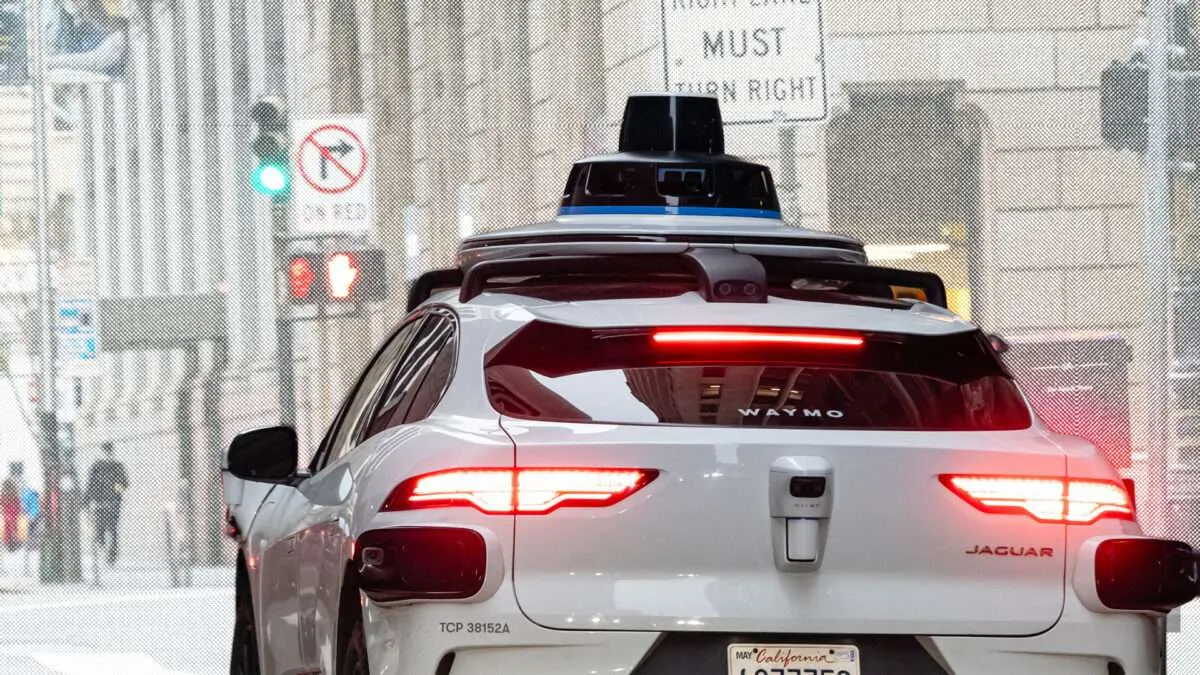
California has barred Waymo’s driverless cars from rides and testing on freeways, while allowing them to continue on other streets. The state says the restriction is needed because repeated incursions into active construction zones pose an immediate safety hazard; the decision raises questions about how regulators should weigh specific risks against the potential safety benefits of autonomous vehicles.
The California DMV cited two recent incidents: three Waymo vehicles entered a work zone on US Highway 101, and another tried to pass Highway Patrol vehicles forming an interstate blockade. The ban will remain until Waymo shows it has made effective corrections, and the company has temporarily paused freeway operations in other markets. Waymo says its cars have travelled more than 270 million driverless miles, with 82 per cent fewer injury-causing crashes and 95 per cent fewer crashes causing serious injury or death than human drivers in the same cities.
In short
- California has suspended Waymo rides and testing on freeways.
- The DMV cited two recent incidents involving construction zones and a blockade.
- Waymo’s safety analysis reports fewer injury and serious crashes than human drivers.
Steelman: both sides, in good faith
The strongest fair case each way — we don't pick a winner.
The case for
A pause on freeway operations is justified if documented incidents show that Waymo vehicles can enter active work zones or fail to respond safely to a police blockade. Freeways leave little room to recover from mistakes, so regulators have a duty to address an immediate hazard before allowing testing and rides to continue. Requiring effective corrections before lifting the restriction makes safety evidence, rather than assurances, the basis for resuming.
The case against
A broad freeway ban may remove a potential safety benefit if Waymo’s reported reductions in injury-causing and severe crashes hold up under scrutiny. The incidents warrant correction, but a targeted remedy or closer monitoring could address those specific failures while preserving the chance to assess driverless cars in real conditions. Whether the restriction makes people safer overall depends on comparing those risks with the risks of human driving and on how the ban is applied.