Politics news and discussion on TalkFuse.
Senate rejects bid to force Trump to halt US fighting with Iran
Developing story first seen 1 hour ago
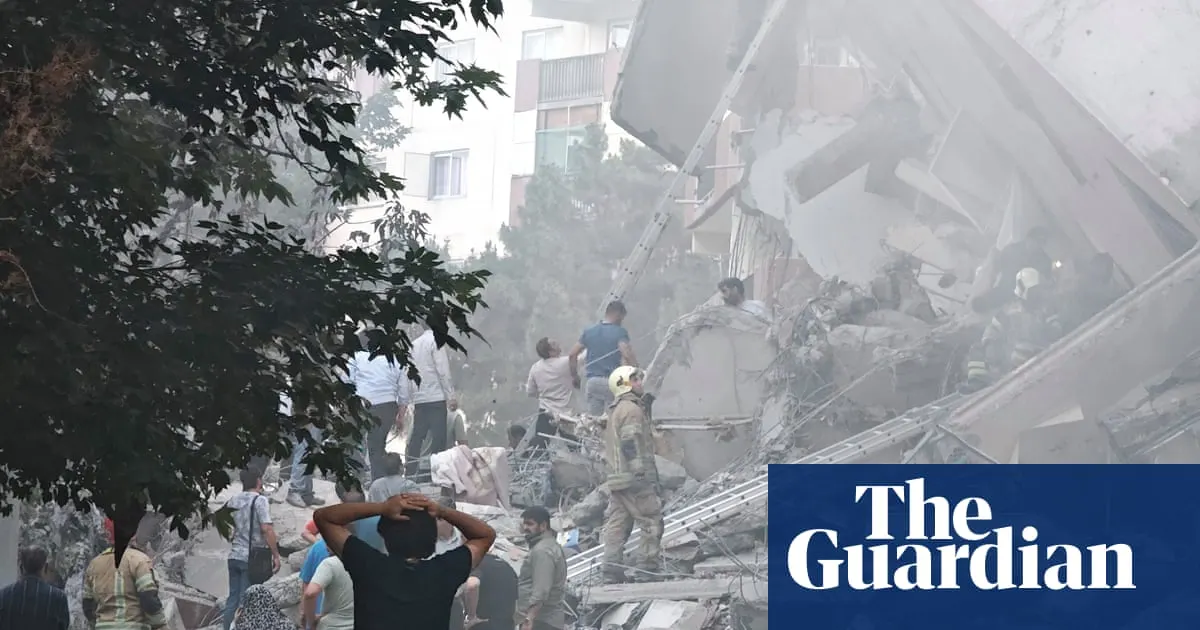
The Senate has rejected a resolution that would have required Donald Trump to halt US fighting with Iran, leaving the conflict unchanged. The 48-51 vote is the first on a war powers measure in either chamber since Republicans lost control of both houses in the 3 November midterm elections, in which the war was a major factor.
The vote was largely along party lines: Democrat John Fetterman opposed the measure, while Republicans Susan Collins, Rand Paul and Lisa Murkowski supported it. The House passed the resolution in September; a similar measure passed both chambers in June, but Trump ignored it. The conflict began in February with a joint US-Israeli attack and has contributed to higher petrol and diesel prices across the US.
- Sources
- 2
- Outlets
- 2
- Left · Centre · Right
- 2 · 0 · 0
In short
- Senate rejects Iran war powers resolution, 48-51.
- Three Republicans backed the measure.
- Trump ignored a similar resolution passed in June.
How this story developed
- 14 minutes ago The vote breakdown showed Democrat John Fetterman opposed the measure, while Republicans Susan Collins, Rand Paul and Lisa Murkowski supported it; the House had passed the resolution in September, and a similar measure passed both chambers in June but was ignored by Trump.
- 25 minutes ago The Senate rejected, by 48 votes to 51, a resolution requiring Donald Trump to halt US fighting with Iran, leaving the conflict unchanged as the first congressional war powers vote since Republicans lost control of both chambers in the midterm elections.
Steelman: both sides, in good faith
The strongest fair case each way — we don't pick a winner.
The case for
Supporters of the resolution argue that Congress must assert its constitutional role over decisions to sustain a conflict, especially after a similar measure passed both chambers and was not followed. Requiring the fighting to stop would answer voters’ concerns about the war and its contribution to higher fuel costs, while limiting further escalation and costs to the public.
The case against
Opponents argue that ending US fighting by congressional resolution could constrain the president’s ability to respond to an active conflict and manage fast-changing security risks. They may also believe that continued military action is necessary to protect US interests and allies, and that the Senate should not compel a halt without a workable alternative for addressing the conflict.
Explained simply
The US Constitution gives Congress a role in deciding when the country goes to war, while the president leads the armed forces. The War Powers Resolution is a law intended to limit how long a president can keep US forces in hostilities without congressional approval.
The Senate and House of Representatives are the two chambers of Congress. A resolution is a formal measure expressing Congress’s position; its effect depends on its wording and whether it becomes law. US military action against Iran began with a joint attack by the United States and Israel, and the conflict has affected energy prices.
Coverage · 2 sources
Bias meters
From 2 rated sources.
Elections Government Middle East Politics World
Read the full article at the source →
Originally published by The Guardian as “Senate Republicans rejects war powers bill to halt fighting in Iran”.