Politics news and discussion on TalkFuse.
Why Kamala Harris will never again be the Democratic nominee
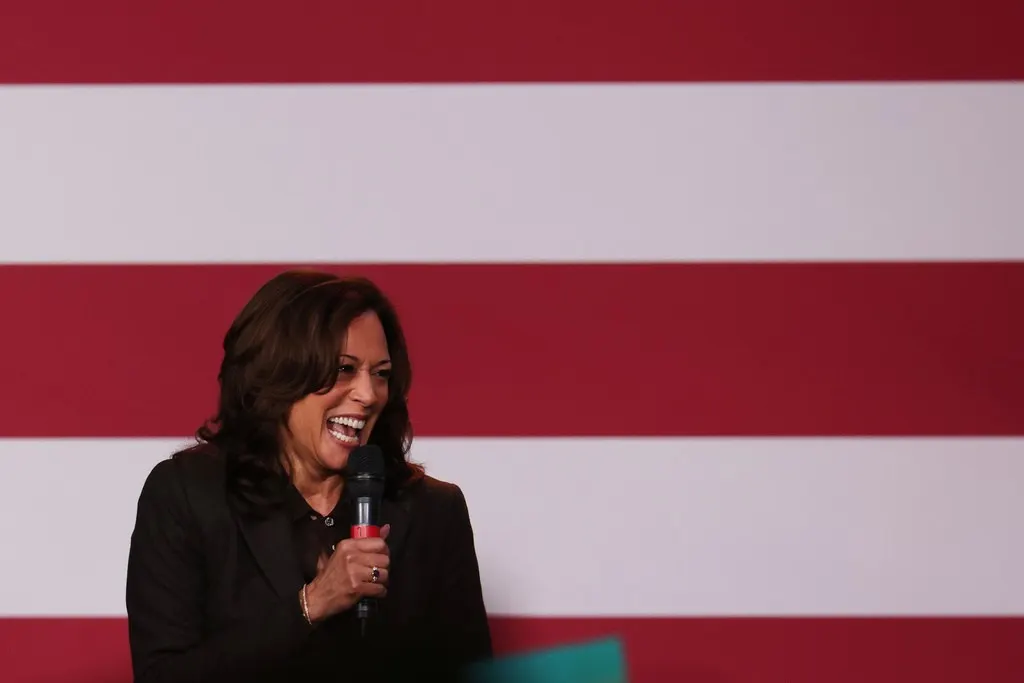
Kamala Harris remains ahead in the early polling for the 2028 Democratic presidential nomination, despite shifts among her potential rivals. The opinion article argues that she will not be the party’s nominee again, while noting that reports differ on whether she plans to run.
The article says that earlier in the month Harris led California Governor Gavin Newsom in the RealClearPolitics polling average. Newly re-elected Senator Jon Ossoff has since moved into second place, with Representative Alexandria Ocasio-Cortez and former transport secretary Pete Buttigieg tied for third; Newsom has fallen to fifth. It gives no polling figures or further evidence for its prediction.
In short
- Harris still leads early 2028 Democratic polling.
- Ossoff, Ocasio-Cortez and Buttigieg have gained ground.
- The article predicts Harris will not be nominated again.
Steelman: both sides, in good faith
The strongest fair case each way — we don't pick a winner.
The case for
Harris’s early polling lead suggests she retains a substantial base of support and could be a credible contender if she runs. The case for her nomination is that name recognition, governing experience and demonstrated appeal within the party may outweigh today’s shifts among rivals, especially so early in the process.
The case against
The case against her nomination is that early polling does not guarantee support through a campaign, and the reported movement among several potential rivals suggests the field could change considerably. Democrats may prefer a candidate they see as offering a fresh start or a stronger prospect of winning, and the article’s prediction reflects that possibility, though it gives no evidence to establish it.
Explained simply
Kamala Harris is a US politician who served as vice-president under Joe Biden and was the Democratic presidential nominee in 2024. The Democratic Party chooses its nominee through state-by-state contests, in which voters and party members help decide which candidate will represent it in the presidential election.
Gavin Newsom, Jon Ossoff, Alexandria Ocasio-Cortez and Pete Buttigieg are Democrats whose names have been raised as possible future candidates. Early polling can indicate who is familiar or popular at a particular moment, but it does not determine who will run or win the party’s nomination.
The question matters because the nominee will lead the Democrats’ campaign for the presidency and shape the party’s choices and priorities. Reports differ on whether Harris intends to run again, and the polling described does not establish who will ultimately become the nominee.