World news and discussion on TalkFuse.
President Trump’s dictator ‘friends’: Letters to the Editor — Nov. 21, 2026
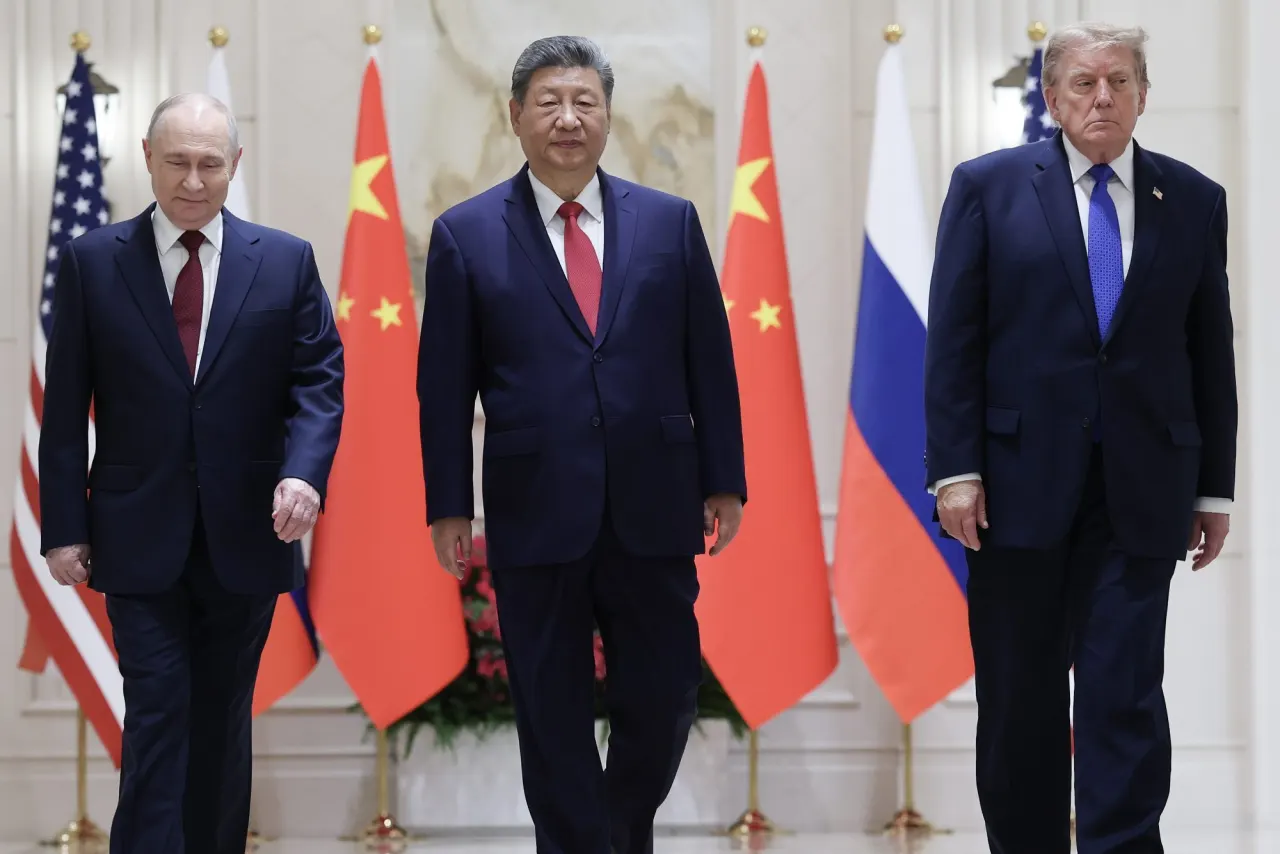
Readers’ letters criticise President Trump’s warm public treatment of Vladimir Putin and Xi Jinping during a trilateral meeting in China, arguing that calling Putin a “friend” risks lending legitimacy to authoritarian leaders. The letters also question whether Trump gained anything from the meeting and whether its trade focus benefited the United States.
The writers offer differing views: one says countries can work together against common threats without being friends, while another hopes the meeting advanced peace, economic ties and a nuclear treaty. Other letters accuse Putin and Xi of exploiting Trump’s attention, criticise the contrast between US concern over Cuba and ties with Moscow and Beijing, and interpret Xi’s hug as a possible display of dominance.
In short
- Readers object to Trump calling Putin a friend.
- Letters question what the China meeting achieved.
- Writers debate the meaning of Xi’s hug.
Steelman: both sides, in good faith
The strongest fair case each way — we don't pick a winner.
The case for
Diplomatic warmth can be a practical tool: leaders may build channels for negotiation, reduce tensions and pursue shared interests without endorsing one another’s political systems. A meeting focused on trade or arms control could produce benefits for the United States and contribute to peace, even when trust is limited.
The case against
Publicly calling authoritarian leaders friends can confer legitimacy and blur the distinction between diplomacy and approval, while allowing those leaders to use the attention for their own standing. Without clear gains for the United States or concrete progress on trade, security or arms control, the warmth may weaken its message on democratic values and leave it looking one-sided.
Asia Elections Government Politics World