Politics news and discussion on TalkFuse.
This summit could be Burnham’s defining Brexit moment. He’ll hope it isn’t
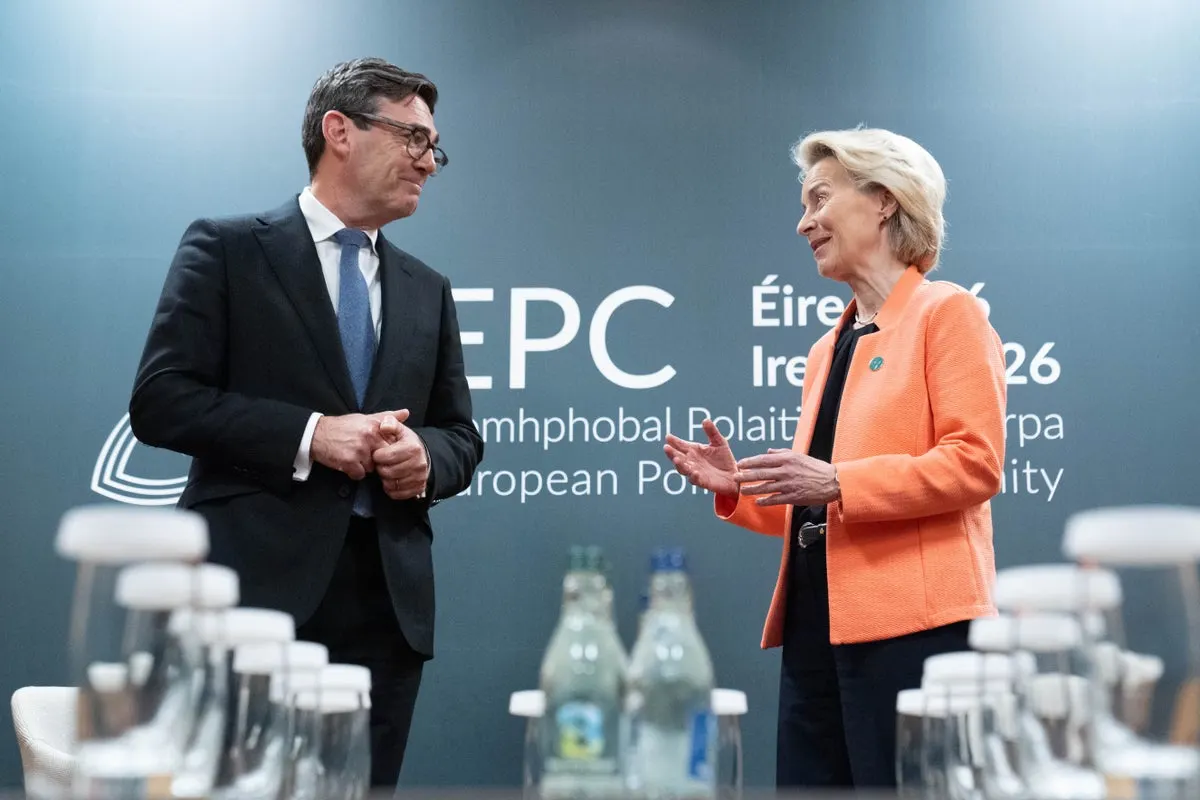
Andy Burnham is set to announce a UK-EU agreement covering food and drink border checks, access to the EU energy market and, possibly, a youth mobility scheme. The article argues that the deal could improve growth and ease some Brexit-related problems, but would be too limited to reverse the wider economic and political consequences of leaving the EU.
The proposed agreement is constrained by Labour’s manifesto commitments, which rule out changes such as a customs union, single-market membership, free movement or rejoining the EU. Burnham has said Brexit contributed to a decade of division and weak growth, and his longer-term aim is for Britain to rejoin; the article says his defining moment should be achieving that broader change rather than a limited reset.
In short
- Burnham’s proposed EU deal would ease some Brexit-related barriers.
- The agreement is limited by Labour’s policy red lines.
- His longer-term aim is for the UK to rejoin the EU.
Steelman: both sides, in good faith
The strongest fair case each way — we don't pick a winner.
The case for
A focused UK–EU agreement on food checks, energy and youth mobility could deliver practical gains while respecting Labour’s manifesto commitments. Supporters could argue that incremental cooperation is politically achievable, eases specific Brexit-related frictions and builds trust for closer ties over time.
The case against
A limited agreement may leave the main sources of economic friction untouched because it excludes a customs union, single-market membership and free movement. Critics could argue that presenting a narrow reset as a defining achievement risks settling for modest improvements when the larger costs of Brexit call for a more ambitious debate about Britain’s long-term relationship with the EU.
Explained simply
Brexit refers to the UK’s decision to leave the European Union, which took effect in 2020. Since then, new arrangements have governed trade and other links between the UK and the EU, including checks on some goods and rules for access to markets.
Andy Burnham is a senior Labour politician who has spoken about the economic and social effects of Brexit. Labour has ruled out rejoining the EU, joining its single market or customs union, and restoring free movement. That limits how far any closer UK-EU agreement could go, while leaving open the possibility of narrower arrangements in areas such as food, energy and youth travel.
The debate matters because the UK’s relationship with the EU affects trade, jobs and economic growth. People differ over whether practical agreements within Labour’s limits can address the main problems, or whether deeper changes would be needed.