World news and discussion on TalkFuse.
Was the historic Shenzhen summit a political win or humiliation for Putin?
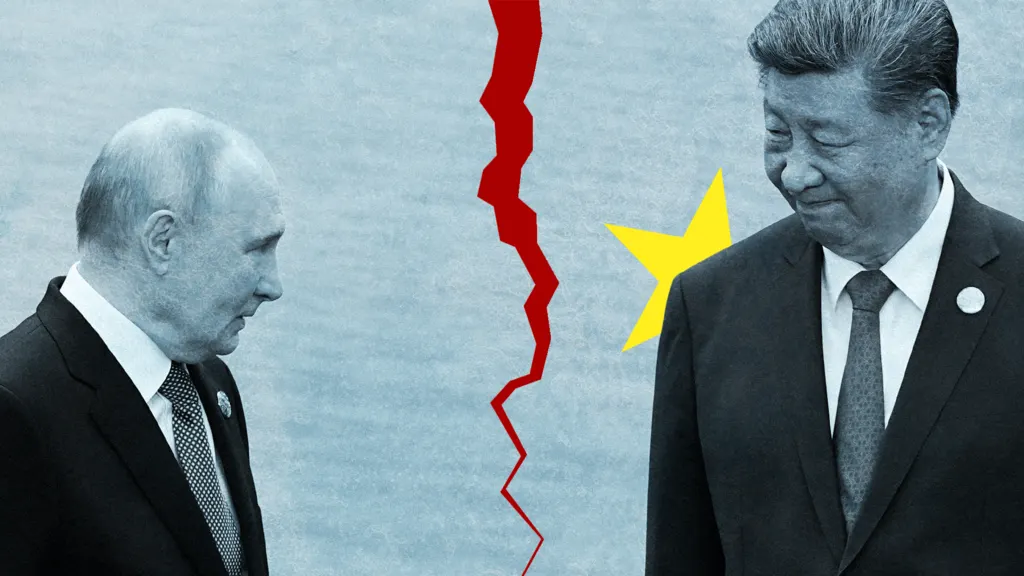
Donald Trump received a prominent welcome from Xi Jinping at the Shenzhen summit, while Vladimir Putin was given a lower-profile reception and seating. The contrast prompted questions about whether China was signalling that Putin has less influence in the relationship, as leaders met amid tensions over Russia’s policies and ties with North Korea.
Xi greeted Trump at the airport and placed him beside him at official events; a senior Chinese official welcomed Putin, who was seated beside Indonesia’s president at the banquet. Putin arrived more than an hour late, and an adviser said his seat meant he could not speak to Trump and Xi during the meal. Analysts cited China’s economic priorities, frustration with Russia’s ceasefire position and concern about Moscow’s growing military cooperation with Pyongyang as possible reasons for the perceived snubs.
In short
- Xi gave Trump a prominent welcome while Putin was sidelined.
- Putin arrived over an hour late to the summit opening.
- China may be signalling its priorities amid tensions with Russia.
Steelman: both sides, in good faith
The strongest fair case each way — we don't pick a winner.
The case for
The contrast in protocol can reasonably be read as a political setback for Putin: Xi gave Trump a more prominent welcome and place at the table, while Putin’s lower-profile reception limited his access to the two leaders. This may signal that Beijing values its ties with Washington and its economic priorities more than publicly affirming Moscow’s status, particularly amid disagreements over Ukraine and Russia’s military cooperation with North Korea.
The case against
Ceremonial arrangements are an imperfect measure of influence, and the account does not establish that China intended to humiliate Putin. His late arrival may have affected the schedule and seating, while China may have had practical diplomatic reasons for giving Trump special prominence; Putin’s presence at the summit still showed that Moscow remains an important partner to Beijing.
Explained simply
China is the larger economic partner in its relationship with Russia, and the two countries have worked together while maintaining separate foreign policies. Their ties have become more important to Moscow since Russia’s invasion of Ukraine led to Western sanctions and reduced trade with many Western countries.
Vladimir Putin leads Russia, while Xi Jinping leads China; Donald Trump is the US president. China has sought trade and diplomatic ties with the United States as well as Russia, while Russia’s growing military cooperation with North Korea has raised concerns among some governments. How China manages these relationships matters for its economic interests and its position in international affairs.
Americas Asia Europe Geopolitics Government Politics World