Technology news and discussion on TalkFuse.
Portable solar chargers can power phones off-grid or during outages
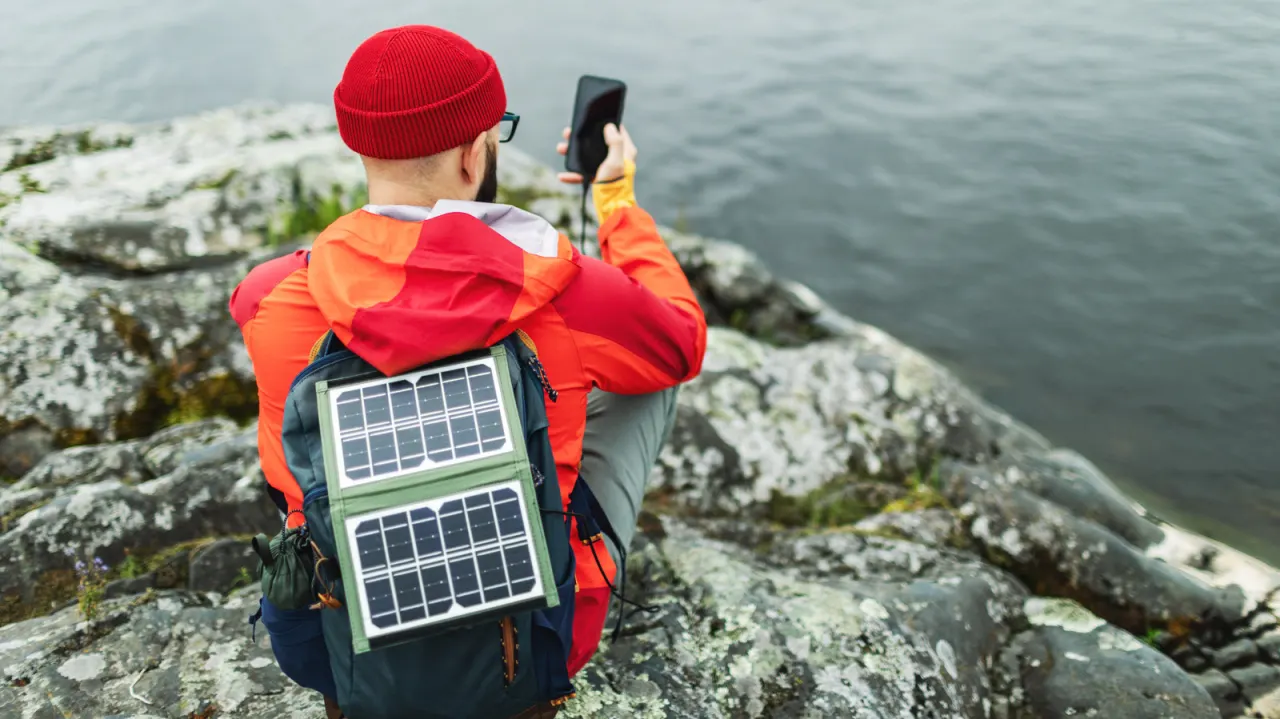
Portable solar chargers can keep phones powered when no mains outlet is available, such as during a hike, camping trip or power cut. Choosing the right kind depends on how long you need power and whether portability or stored energy matters most.
Panel-only chargers send electricity straight to a device but cannot store it, so they suit shorter use in sunny conditions. Models with built-in batteries save energy for later, while portable power stations can charge several devices and may weigh as little as 4 pounds. Smaller panels often provide 15 to 50 watts, though clouds and panel angle affect output and charging time; buyers should also consider ports, carrying features and protections against water, overcharging and temperature extremes.
In short
- Choose between direct charging, built-in battery storage or a power station.
- Small solar chargers typically offer 15 to 50 watts.
- Sunlight, portability, ports and safety features affect the choice.
Explained simply
Solar chargers turn sunlight into electricity that can run or recharge devices. They can be useful away from mains power, including on trips outdoors or during a power cut.
Some chargers send power directly to a device, while others store it in a built-in battery for later. Larger portable power stations can supply several devices, but usually take more space to carry.
Charging depends on the amount of sunlight, the panel’s position and its output, so it may take longer in cloudy conditions. The right type depends on how much power is needed, when it is needed and how easy the equipment is to carry.
Read the full article at the source →
Originally published by Engadget as “How to use a solar panel to charge your phone”.