Technology news and discussion on TalkFuse.
High costs, roof repairs and weak incentives can limit home solar savings
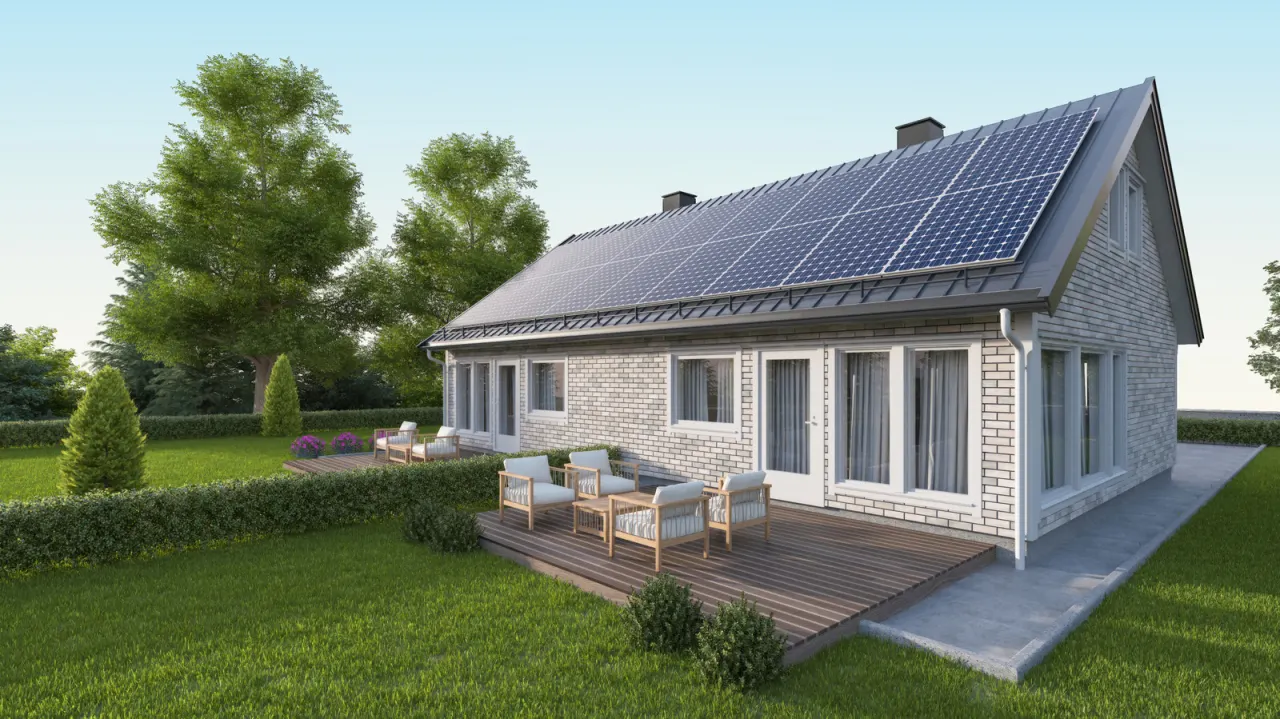
Solar panels can lower electricity bills, provide renewable energy and may increase a home’s resale value, but the benefits depend on local conditions. High installation costs, limited incentives, unsuitable roofs or lower household electricity use can make the investment less worthwhile.
A typical home system costs $20,000 to $27,000 before rebates; the former 30 per cent federal tax credit was terminated. Savings also depend on sunlight, electricity prices and whether the utility offers net metering, which varies by state. Older roofs may need replacing first, at a cost of $4,000 to more than $35,000, while solar shingles can cost roughly twice as much per watt as standard panels. Solar panels alone also do not provide power during a blackout; a battery backup is needed.
In short
- Home solar systems typically cost $20,000 to $27,000 upfront.
- Savings depend on sunlight, electricity use and local utility rules.
- Backup power during blackouts requires a battery system.
Steelman: both sides, in good faith
The strongest fair case each way — we don't pick a winner.
The case for
For homeowners with suitable roofs, strong sunlight and high electricity bills, solar panels can reduce long-term energy costs while producing renewable power. Supporters may also value greater energy independence and the possibility of improving a home’s resale appeal, especially where utility rules make it possible to receive credit for surplus electricity.
The case against
The upfront cost can be substantial, and savings are uncertain when incentives are limited, electricity use is low or utility rules offer little credit for exported power. Roof repairs or replacement can add considerably to the bill, while solar shingles and battery backup cost more; for some households, the investment may not pay off within the time they own the home.
Explained simply
Home solar systems use panels on a roof to turn sunlight into electricity for household use. Any extra electricity may be sent to the local utility, but whether the household receives credit for it depends on the rules where it lives.
The main costs are buying and installing the panels, and sometimes replacing an ageing roof first. The value of the system also depends on local sunlight, electricity prices and household use; a battery is needed to keep power available during a blackout.
These factors shape how quickly a household might recoup its costs and whether panels suit its home. Government incentives and utility rules can change the sums, and they vary by place.
Read the full article at the source →
Originally published by Engadget as “The drawbacks of adding solar panels to your home”.