Business news and discussion on TalkFuse.
Cop31 talks stall as 130 nations seek fossil fuel transition pledge
Developed over time first seen 1 day ago
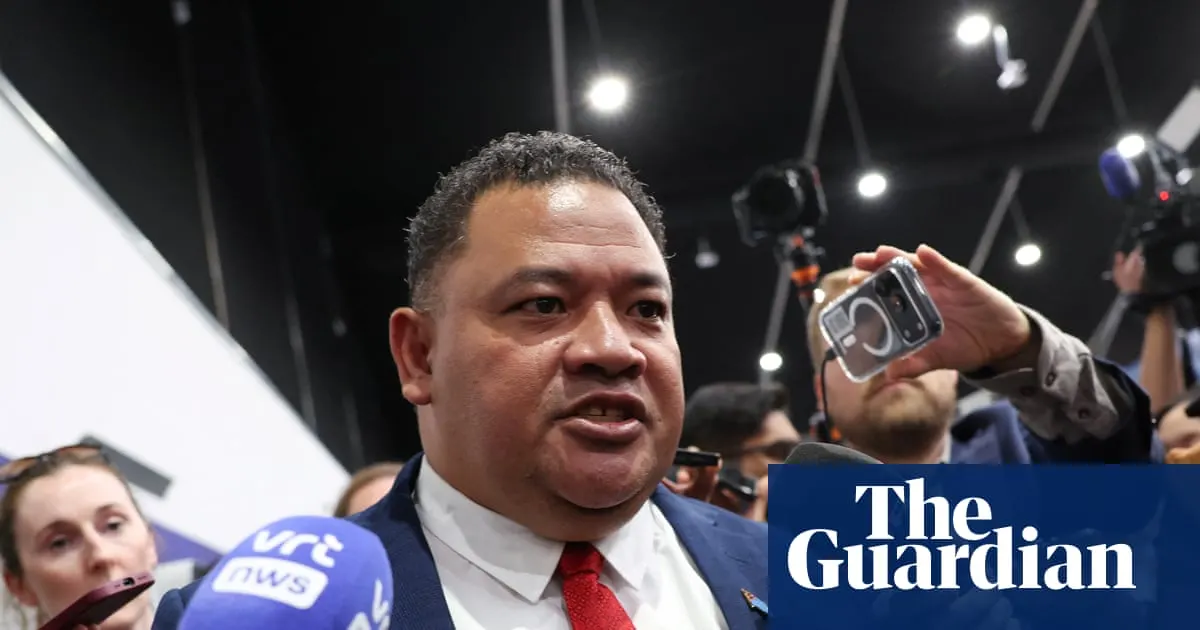
Cop31 talks in Turkey stalled after running past their scheduled end, with countries unable to agree on fossil fuels, climate finance and energy policy. Around 130 nations are pressing for the final agreement to refer to transitioning away from fossil fuels, while Saudi Arabia and other oil-producing countries oppose an explicit commitment.
A third draft recalls the 2023 Dubai agreement on moving away from coal, oil and gas, drops a firm target for carbon capture and storage, and says electrification should be powered by clean energy. Disagreements also concern a proposed goal for electricity to provide 35% of global energy by 2035 and developing countries’ calls for more funding to adapt to climate impacts; a plenary debate was scheduled for Sunday morning.
- Sources
- 2
- Outlets
- 2
- Left · Centre · Right
- 1 · 1 · 0
In short
- Cop31 talks stalled over fossil fuels and climate finance.
- Around 130 countries want a transition pledge in the agreement.
- A revised draft recalls the Dubai deal and drops a firm carbon capture target.
How this story developed
- 13 hours ago No new outcome was reported: the talks remained stalled ahead of a Sunday plenary, with disputes continuing over fossil fuel wording, climate finance and a proposed 2035 electricity target.
- 19 hours ago A third draft sought to bridge the deadlock by recalling the 2023 Dubai pledge to move away from coal, oil and gas, dropping a firm carbon capture target and linking electrification to clean energy.
- 21 hours ago Cop31 negotiations in Antalya stalled over fossil fuel transition pledges and financial support for poorer nations, with some delegates weighing a public challenge to Saudi Arabia as talks risked collapsing.
Full account
Negotiations at the COP31 climate summit in Antalya ran into a second day of overtime after countries failed to agree on a final deal by Friday’s deadline. A third draft, published early on Sunday, was intended by the Turkish and Australian co-hosts to bridge remaining disagreements. Delegates were due back in the plenary at 09:00 local time to consider it; without consensus, talks could be suspended until next year, a rare outcome in the summit process.
The sharpest dispute centred on whether the final text should explicitly call for a transition away from fossil fuels. A coalition of roughly 130 countries, including Pacific states and the EU, pressed for such language, while Saudi Arabia and other oil-producing countries resisted it. The new draft did not repeat the phrase, but referred to the commitment made at a previous summit to move away from fossil fuels. That compromise left the coalition’s central demand unresolved. Tuvalu’s climate minister, Maina Talia, described explicit recognition of fossil fuels as a red line, arguing that the talks had to address the main source of the problem.
Other points of contention included support for developing countries facing climate impacts, carbon capture and storage, and a proposed goal of supplying 35 per cent of global energy from electricity by 2035. The draft set no specific amount for adaptation funding, leaving that question for later discussions. It also dropped a firm carbon-capture target and said electrification should be powered by clean energy as far as possible. Some countries view carbon capture as a way to prolong fossil fuel use; Saudi Arabia has argued for stronger backing for the technology.
The latest text also acknowledged that the world is on course to miss the goal of limiting warming to 1.5C. The co-hosts held negotiations through Saturday, including efforts to find common ground between the EU and Saudi Arabia. COP31 president Murat Kurum said the draft addressed outstanding concerns and urged delegates to examine it, while the UK’s chief negotiator Miatta Fahnbulleh said her team was still working towards agreement. EU climate commissioner Wopke Hoekstra had warned that the bloc would not accept a deal without the climate action it considered necessary. Campaigners and developing-country representatives criticised the slow progress, with particular concern that wealthy countries were not delivering promised financial support.
Where outlets differ
From the full account, which is AI-written from the sources:
The first report foregrounds the standoff over fossil fuels and finance, including objections to carbon capture and the electrification target, and quotes Tuvalu’s minister and an African climate campaigner. The second focuses more on the negotiating timetable, possible suspension of talks, the EU’s position and the draft’s acknowledgement that the 1.5C goal is likely to be missed. Both describe the draft as referring back to an earlier fossil-fuel commitment without making a new explicit transition pledge.
The supplied reports are incomplete: both end mid-sentence, and neither includes outlet names or article URLs. The account is based only on the material provided.
Left-leaning outlets 1
Only here: talks, stall, nations, seek, transition
Centre outlets 1
Only here: dispute, threatens, derail, climate, deal
Every side used: cop31, fossil, fuel
Headline columns compared word for word; nothing in them is AI-written.
Steelman: both sides, in good faith
The strongest fair case each way — we don't pick a winner.
The case for
Supporters of restoring a pledge to move away from fossil fuels argue that the Cop28 commitment needs practical follow-through, since continued reliance on those fuels drives climate change. They also say stronger financial support is essential for developing countries to manage the transition fairly, and that a broad coalition of about 130 nations gives the pledge legitimacy.
The case against
Those wary of restoring the pledge may argue that a summit agreement must reflect a workable consensus, and that publicly challenging Saudi Arabia and its allies could collapse talks and jeopardise other outcomes. They may favour focusing on measures such as carbon capture and a target for electricity’s share of energy, arguing that these could cut emissions while accommodating different national circumstances and energy needs.
Explained simply
The UN climate conference, known as COP, brings countries together to negotiate how to address climate change. Fossil fuels such as coal, oil and gas are major sources of the greenhouse gases that warm the planet, while many developing countries also seek financial help to cope with climate impacts and shift to cleaner energy.
At COP28 in 2023, countries agreed in principle to move away from fossil fuels, but turning that agreement into specific action has been difficult. Saudi Arabia has promoted carbon capture and storage, which aims to trap emissions from power stations and industry, and countries also disagree over targets for expanding electricity.
These negotiations matter because their outcome can shape how governments plan energy use and climate funding. Any agreement requires broad support, so disagreements among countries can make it harder to set shared commitments.
Coverage · 2 sources
Bias meters
From 2 rated sources.
Business Climate Geopolitics Government Middle East Politics Science World
Read the full article at the source →
Originally published by The Guardian as “Climate talks stall as countries mull showdown with Saudi Arabia over fossil fuel phaseout”.