Technology news and discussion on TalkFuse.
Here’s when a Raspberry Pi 5 could be considered overkill
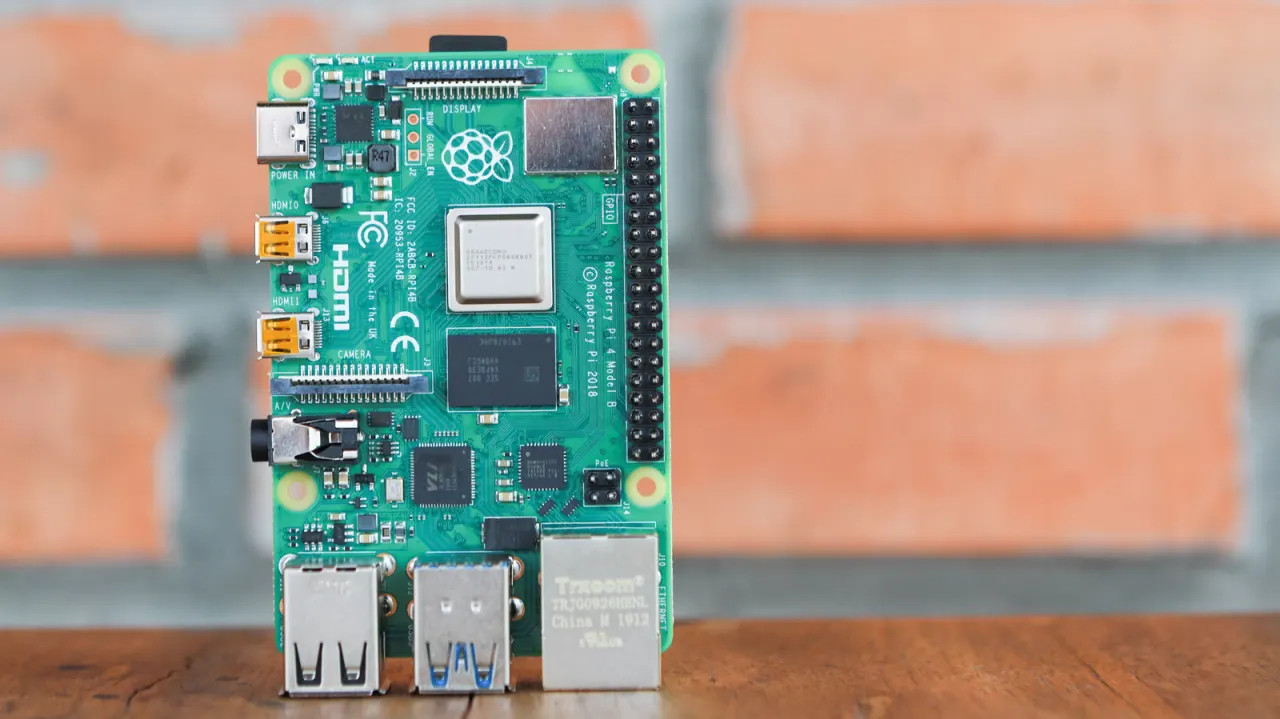
Raspberry Pi 5 prices have risen sharply amid a wider memory shortage, making the newest board less of an obvious choice for budget projects. The article argues that a Pi 5 can be overkill when the intended use is self-hosting, home automation or robotics, where an older Pi 4 may provide enough performance at a lower overall cost.
The Pi 5 is more than twice as powerful as the Pi 4, but its 16GB model now costs $385 after an $80 increase, and other versions have also become more expensive. A Pi 4 starts at $35, uses a 15W adapter and generally needs less cooling; by contrast, heavy workloads can push the Pi 5 above 80°C, requiring a fan to avoid throttling. The Pi 5 is the more future-proof option, while Pi 4 and 3B+ boards are often easier to find new or second-hand, sometimes bundled with accessories.
In short
- Pi 5 prices have climbed amid a memory shortage.
- A Pi 4 can handle many hobby projects for less.
- Older boards are often easier to find.
Steelman: both sides, in good faith
The strongest fair case each way — we don't pick a winner.
The case for
The Pi 5’s extra performance can make it a better long-term choice for demanding projects or workloads that may grow, reducing the chance of needing to replace the board soon. Its greater capability may also justify the higher price for users who value headroom and responsiveness over minimising the initial cost.
The case against
For self-hosting, home automation and many robotics projects, a Pi 4 may already meet the practical requirements, so paying more for unused performance can be hard to justify. Its lower purchase price, power needs and cooling requirements can make it the more economical option, especially when older boards are readily available with accessories.
Explained simply
Raspberry Pi boards are small, low-cost computers used for projects such as running home servers, automating household devices and controlling robots. The Pi 4 and Pi 5 are two generations of the same board, with the Pi 5 offering more computing power.
Choosing a board depends on what the project needs as well as the total cost of using it. More demanding tasks may benefit from the Pi 5, while simpler projects may work well on an older model; power use, cooling and the availability of accessories can also affect the choice.