World news and discussion on TalkFuse.
Why I’m leaving Berkeley: Lefty groupthink smothers college excellence
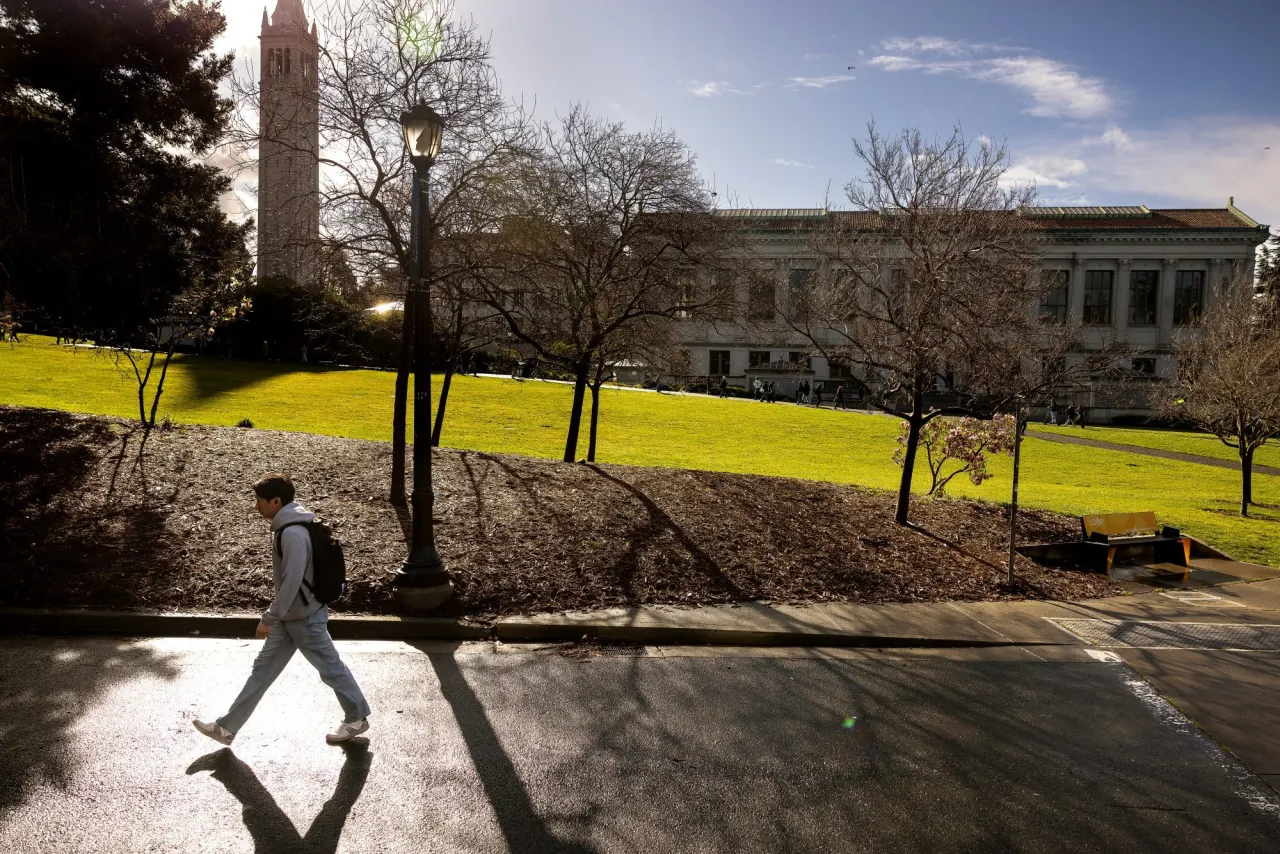
A Berkeley law professor says he is leaving the university for Texas after 33 years, arguing that liberal groupthink has weakened academic excellence, free speech and the presence of conservative scholars. He says his decision is not because he felt driven out, and praises the students and scholars he worked with individually, but believes the university has become a political monoculture.
He describes protests and what he sees as the exclusion of conservative faculty, alleging that hiring favours race, ethnicity and gender despite state law. He says campus antisemitism intensified after Hamas’s 7 October 2023 attacks and Israel’s response, citing student groups’ boycotts of events with pro-Israel speakers and protesters preventing an Israeli lawmaker from speaking. These are the professor’s claims and characterisation of events.
In short
- A Berkeley law professor is moving to Texas after 33 years.
- He says political conformity has weakened free speech and academic diversity.
- He cites campus protests and antisemitism after 7 October 2023.
Steelman: both sides, in good faith
The strongest fair case each way — we don't pick a winner.
The case for
The professor’s account raises a serious concern that a politically uniform campus can narrow debate and make some scholars or students reluctant to express unpopular views. If hiring and event decisions are shaped by political or identity-based preferences, that could weaken confidence in academic standards and equal treatment; universities have a responsibility to protect open inquiry and Jewish students and speakers from intimidation.
The case against
A university’s political climate cannot be fairly judged from one departing professor’s experience, and allegations about hiring or the exclusion of conservative scholars require evidence beyond his characterisation. Diversity-focused policies may be intended to broaden opportunity and scholarship, while protest and boycotts can be legitimate forms of expression; the challenge is to distinguish those rights from conduct that prevents others from speaking or participating.
Explained simply
The University of California, Berkeley is a public university in California, with a prominent law school. Universities are expected to support open debate and academic standards, while also following laws on hiring and protecting students and staff from discrimination.
The professor has worked at Berkeley for 33 years and is moving to a university in Texas. His criticism centres on whether political views affect campus debate and the appointment of scholars; these are his claims, and the university’s hiring rules operate within state law.
Debate on campus has also included protests linked to the Israel-Hamas war, which began after Hamas’s 7 October 2023 attacks and Israel’s military response. Disputes over speakers, boycotts and antisemitism raise questions about how universities balance protest, free expression and the safety of people on campus.