World news and discussion on TalkFuse.
Burnham risks political backlash with closer EU ties of limited benefit
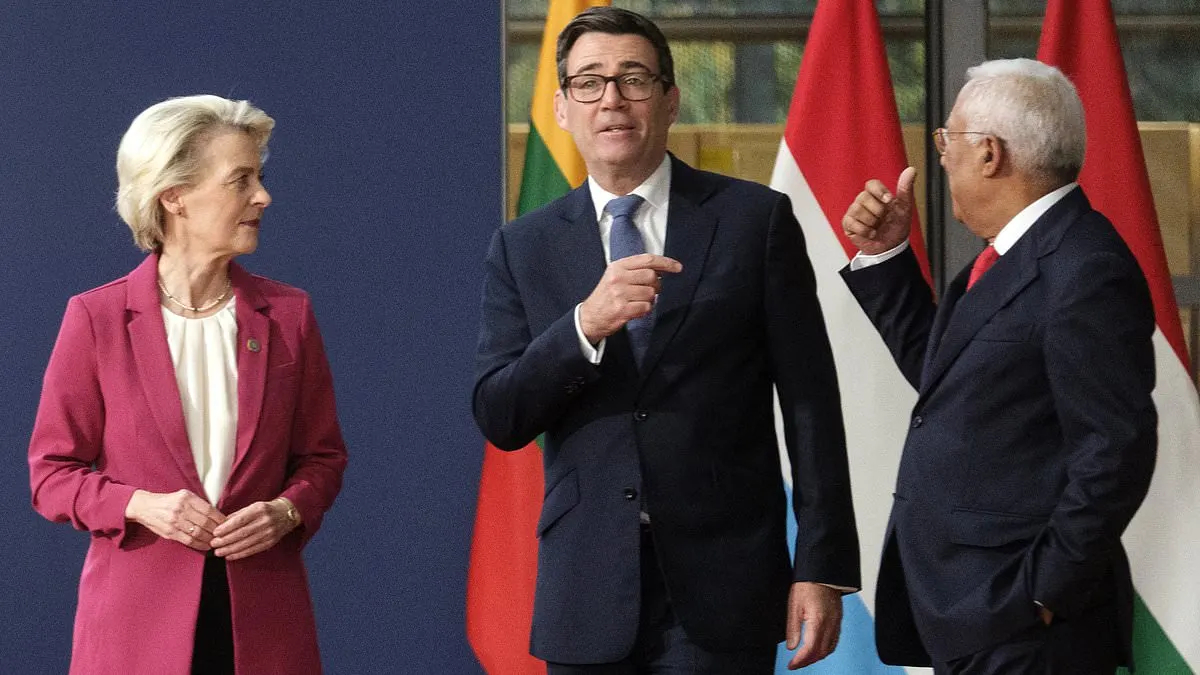
The columnist argues that Prime Minister Andy Burnham is pursuing closer ties with the EU despite warnings from former Labour and Conservative politicians, including Tony Blair, who says the bloc would need to improve its approach to technology before Britain considered rejoining. The piece presents Burnham’s approach as politically risky and claims the EU reset would bring limited benefits while requiring Britain to follow rules without influence over them.
The article says the proposed deal would ease some food and agricultural checks, but notes that EU food exports to Britain are more than three times larger than British exports to the EU. It also cites a proposed reciprocal scheme allowing up to 100,000 young Europeans to work in the UK and a demand to reduce EU students’ annual university fees from £38,000 to £9,970, which the columnist estimates could cost nearly £500 million a year. The supplied article text ends mid-sentence.
In short
- Burnham is pursuing a closer relationship with the EU despite political warnings.
- The proposed student fee change could cost nearly £500 million annually.
- The columnist argues Britain would follow some EU rules without shaping them.
Steelman: both sides, in good faith
The strongest fair case each way — we don't pick a winner.
The case for
Closer EU ties could reduce checks on food and agricultural trade, making cross-border commerce simpler and potentially helping British exporters. A reciprocal youth work scheme and lower fees for EU students could strengthen cultural and educational links, while supporters may see a closer relationship as worthwhile even if its gains are gradual or uneven.
The case against
The proposed reset may bring limited economic gains while asking Britain to align with EU rules without having a say in making them. Critics can argue that the trade benefits are asymmetric and that cheaper tuition for EU students could impose a substantial cost on universities or taxpayers, while the political risks may outweigh the practical advantages.
Explained simply
The UK left the European Union in 2020, ending its membership of the bloc and its role in making EU rules. Since then, governments have discussed ways to make trade and other cooperation easier while remaining outside the EU.
Andy Burnham is the UK prime minister in this story, and Tony Blair is a former Labour prime minister. The proposed closer ties include easing some checks on food and agriculture, a work scheme for young people, and lower university fees for EU students; the details and costs are disputed.
The debate matters because closer cooperation could affect trade, jobs, education and the rules businesses must follow. Any agreement would also raise questions about how much influence Britain would have over rules linked to the EU market.
Europe Government Politics World
Read the full article at the source →
Originally published by Daily Mail as “STEPHEN GLOVER: Despite the warnings, Burnham’s decided steering us into the EU’s loveless embrace will define his premiership”.