Technology news and discussion on TalkFuse.
Uber now lets riders request drivers who are recording their trips
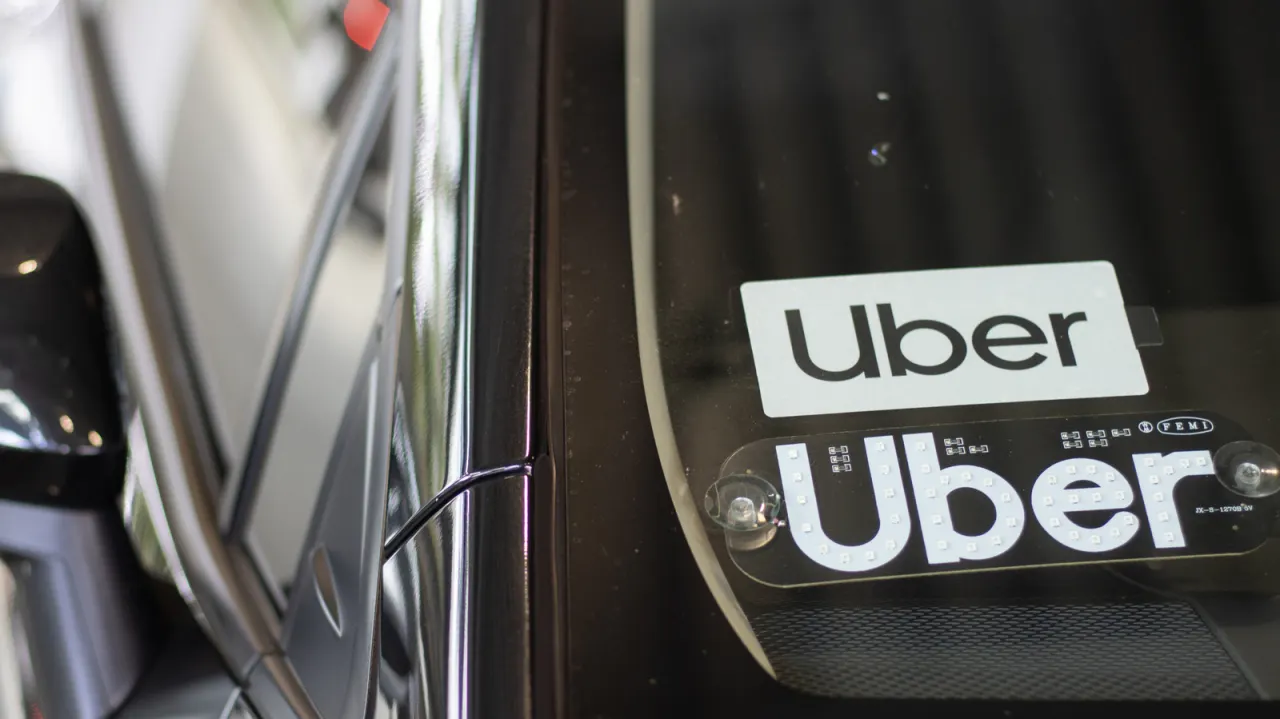
Uber is rolling out Recorded Rides, which lets passengers request drivers using the app’s recording feature. The option is intended to give both riders and drivers added reassurance and encourage respectful behaviour.
It is launching first in Baltimore, Raleigh, Indianapolis and St Louis. Recordings use the driver’s phone camera and microphone, are encrypted and stored on the device, and are deleted unless included in a safety report or insurance claim. Uber is also testing default recording in some situations, including late-night trips, while riders and drivers can opt out in the app.
In short
- Riders can request drivers who record trips.
- The rollout starts in four US cities.
- Recordings are encrypted and usually deleted.
Steelman: both sides, in good faith
The strongest fair case each way — we don't pick a winner.
The case for
Allowing riders to request a driver who records a trip could reassure both parties and deter threatening or abusive behaviour. On-device encryption and deletion unless a recording is needed for a safety report or claim may offer a limited way to preserve evidence while reducing routine retention.
The case against
Recording can make passengers or drivers feel monitored, especially when a camera and microphone capture conversations and surroundings during a private journey. Even with encryption and deletion rules, people may question how consent works in practice, who can access recordings after a report, and whether default recording in some situations puts pressure on users who would prefer not to be recorded.
Explained simply
Uber is a ride-hailing company: passengers use its app to book journeys with drivers who use their own cars. Because the service brings strangers together, safety and respectful behaviour during trips are concerns for both riders and drivers.
Uber’s recording feature uses a driver’s phone camera and microphone to capture a trip. The recordings are encrypted and kept on the phone, and are deleted unless they are included in a safety report or insurance claim. They may provide information if an incident is reported, while raising questions about privacy and consent.