Politics news and discussion on TalkFuse.
Senate leadership vote tests newly elected Democrats’ promise of change
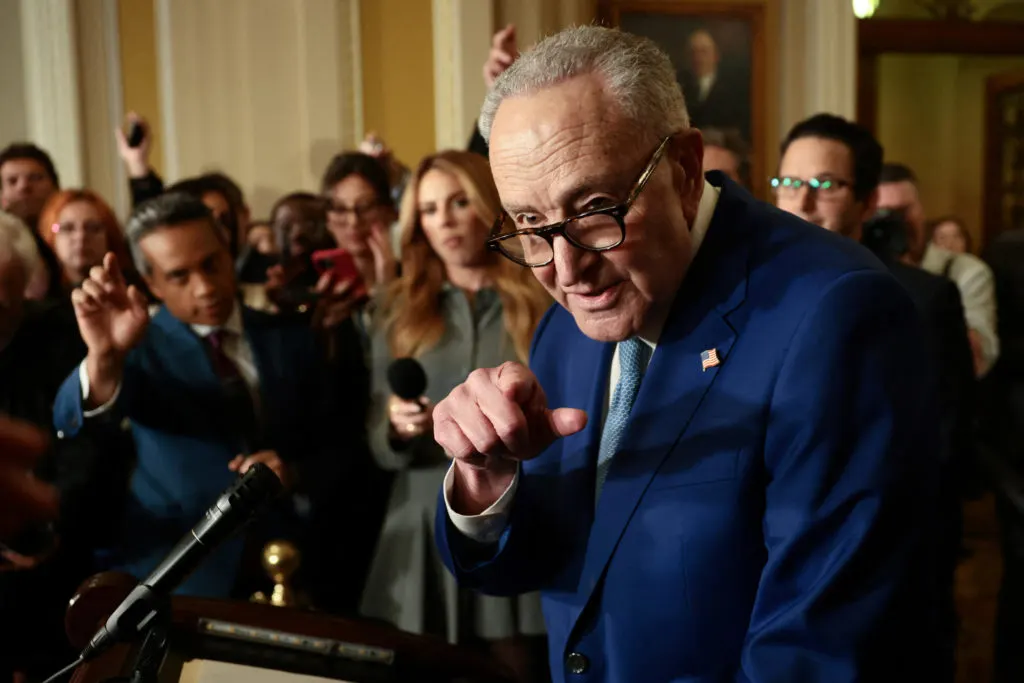
Thirteen newly elected Democratic senators are weighing whether Chuck Schumer should remain their party’s Senate leader or be replaced by challenger Chris Van Hollen. The contest is testing candidates’ promises to bring fresh perspectives to Washington, as the incoming class could influence both the party’s leadership and its direction in the new Congress.
The secret-ballot vote is scheduled for 1 December. Progressives including Abdul El-Sayed and Peggy Flanagan support Van Hollen, while Sherrod Brown and Mazie Hirono back Schumer, whose experience and fundraising role give him advantages. Several incoming senators from Republican-leaning states have yet to choose: some say they are listening to both candidates or want answers about how each would reflect their priorities.
In short
- Incoming Democrats are weighing Schumer against Van Hollen.
- The secret-ballot leadership vote is set for 1 December.
- Many first-term senators have not declared their choice.
Steelman: both sides, in good faith
The strongest fair case each way — we don't pick a winner.
The case for
Replacing Schumer with Van Hollen could show that Democrats are taking calls for fresh leadership seriously and give the incoming senators greater influence over the party’s direction. Supporters may argue that a new leader could better reflect the priorities of progressives and voters seeking change, while bringing different strengths to negotiations.
The case against
Keeping Schumer could preserve experienced leadership, established relationships and a proven fundraising role at a time when Democrats must organise effectively in the Senate. Supporters of continuity may argue that a change in leader alone would not guarantee a shift in policy, and that Schumer’s record and institutional knowledge are valuable assets.
Explained simply
The Senate is one of the two chambers of the US Congress, where lawmakers debate and vote on federal laws. Senators from the same party choose a leader to organise their work, represent them in negotiations and help decide which issues to prioritise.
Chuck Schumer, a senator from New York, has led Senate Democrats since 2017. Chris Van Hollen, a senator from Maryland, is challenging him; the choice matters because the leader can shape how the party responds to the new Congress and speaks for its members.
Newly elected senators are joining a group that includes people with different political views and constituencies. Their choice may show how much influence the incoming class wants over the party’s leadership and direction.