World news and discussion on TalkFuse.
Storms targeting both US coasts threaten to snarl Thanksgiving travel for millions
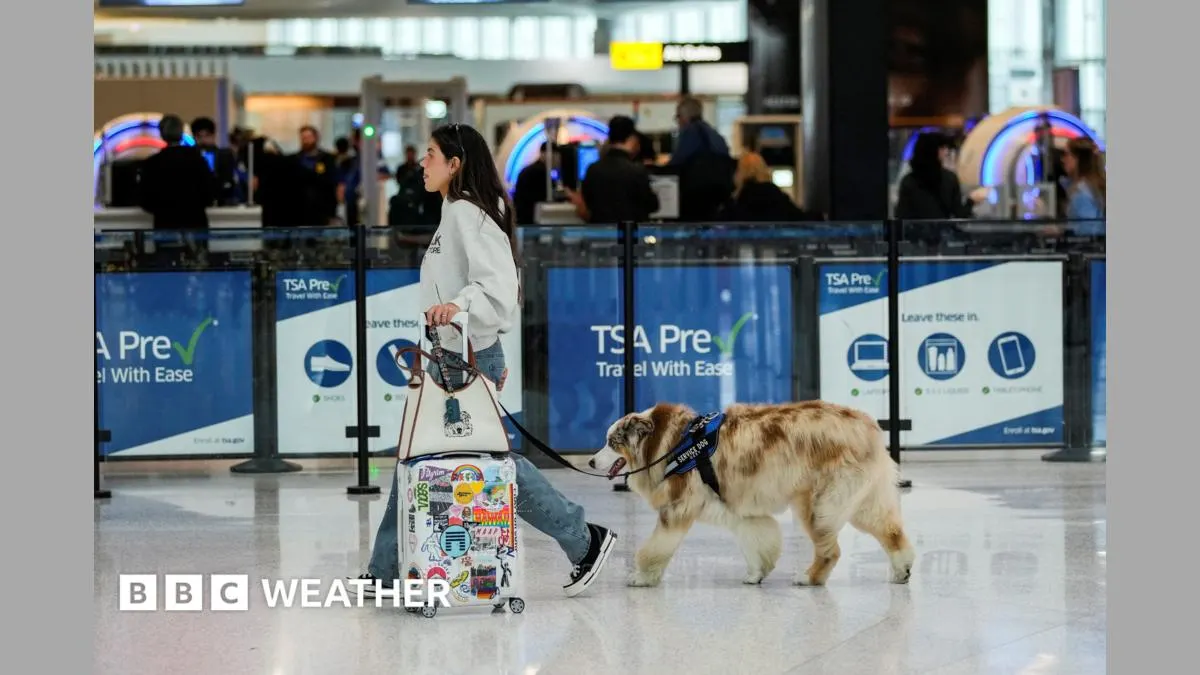
Storms on both US coasts are expected to disrupt Thanksgiving travel, a concern given that AAA forecasts 81.5 million people will travel at least 50 miles from home between 24 and 30 November. Pacific storms are bringing rain, mountain snow, strong winds and coastal flooding to the West, while a developing Nor’easter is forecast to affect the south-east and move north along the East Coast over Thanksgiving.
On the West Coast, an atmospheric river is expected to intensify rainfall, with possible delays on I-5 between Seattle and Sacramento and at mountain passes on I-80 and I-90. Coastal flood advisories are in place amid high tides, and San Francisco’s mayor has urged residents to check forecasts and avoid unnecessary journeys. On the East Coast, gusts above 40mph are forecast inland along the I-95 corridor, with heavy rain and possible coastal flooding in New York; the winds could also affect whether full-size balloons can fly in the Macy’s Thanksgiving Day Parade.
In short
- Storms threaten travel on both US coasts over Thanksgiving.
- AAA expects 81.5 million people to travel at least 50 miles.
- Rain, flooding, snow and strong winds could cause delays.
Explained simply
Thanksgiving is a major US holiday, when many people travel to spend time with family and friends. The busiest journeys often involve long drives or flights, so bad weather can affect large numbers of travellers at once.
The Pacific coast can see “atmospheric rivers” — long bands of moisture that bring heavy rain and, in colder areas, snow. On the Atlantic coast, a Nor’easter is a powerful storm that can bring strong winds, rain or snow; both kinds of weather can make roads and coastal areas hazardous.
The main travel routes run through regions exposed to these storms, including the I-5 and I-95 corridors. Strong winds can also affect public events, because large parade balloons are harder to handle in gusty conditions.
Americas Culture Science Travel World