World news and discussion on TalkFuse.
Donald Trump set to hit EU and China with fresh tariffs as Britain dodges trade blow
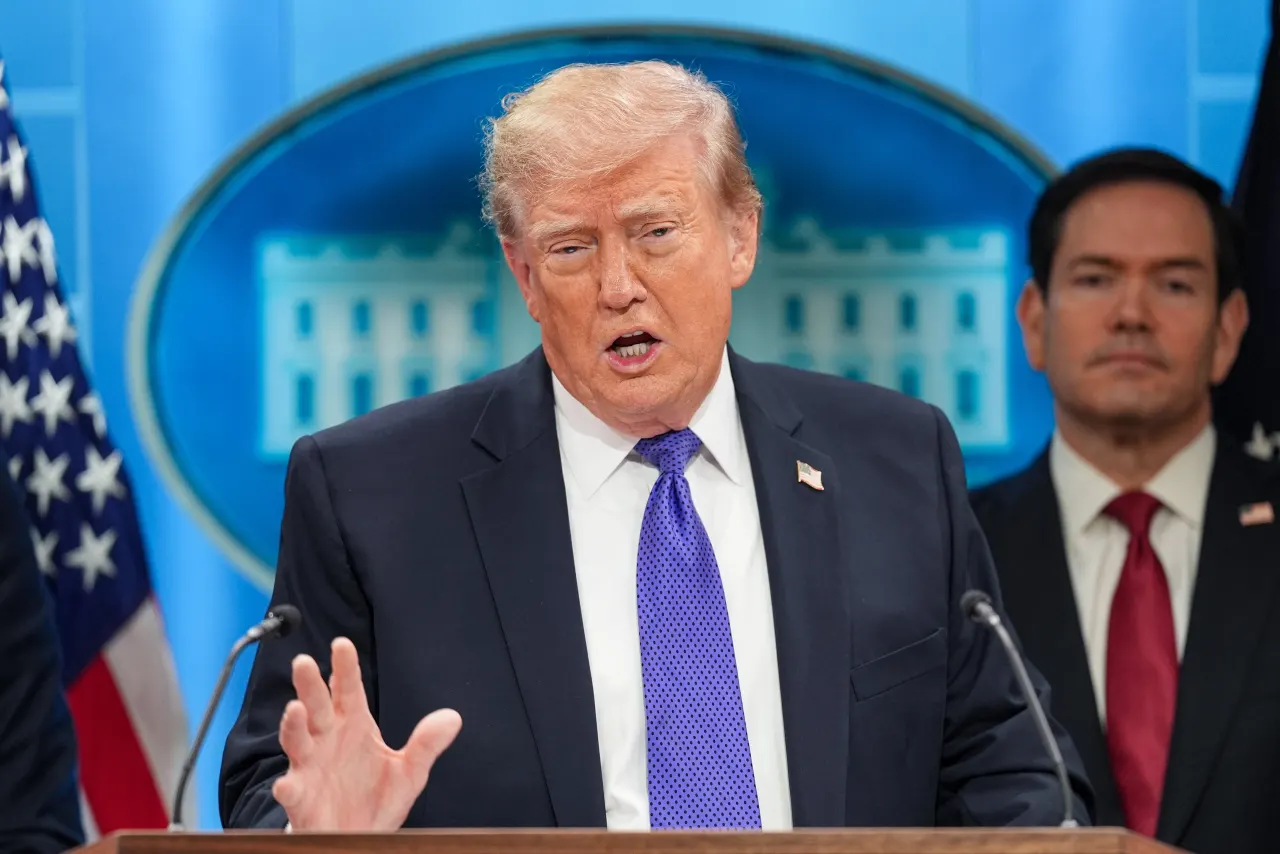
The Trump administration has proposed new tariffs on imports from 14 major trading partners, including China and the European Union, while leaving Britain out. Washington says the measures respond to unfair trade practices such as subsidies and overproduction, and they could raise costs for exporters and affect trade negotiations.
Proposed rates reach 20 per cent for China and Vietnam, 15 per cent for the EU, Japan, South Korea and Taiwan, and 10 per cent for Singapore; several other countries face rates of 18 per cent. Some products, including oil, gas and fertilisers, are exempt, and the new duties would not stack with existing tariffs: countries would pay whichever applicable rate is higher. The US-China trade truce is due to expire on 10 January, and the proposed Chinese rate could rise to 40 per cent if Washington finds Beijing has not met its commitments.
In short
- US proposes tariffs on imports from 14 trading partners.
- China and Vietnam face the highest proposed rate, at 20 per cent.
- Britain is excluded from this round.
Steelman: both sides, in good faith
The strongest fair case each way — we don't pick a winner.
The case for
Supporters could argue that targeted tariffs give the US leverage to counter subsidies and overproduction that they see as distorting competition and harming domestic industries. The measures may also encourage trading partners to negotiate and meet commitments, while exemptions and rules against stacking duties limit some of the immediate burden.
The case against
Critics could argue that tariffs raise costs for US businesses and consumers, disrupt trade and risk retaliation, while doing little to address the underlying causes of trade imbalances. They may also see the proposed rates and threat of further increases as creating uncertainty for exporters and weakening negotiations by making market access less predictable.
Explained simply
Tariffs are taxes on goods brought into a country. They can make imported products more expensive, and governments sometimes use them to protect local industries or put pressure on trading partners.
The United States trades with the European Union, China and many other economies, while Britain has its own trade relationship with Washington. Disputes can arise over whether governments give their businesses an unfair advantage through subsidies or produce more goods than overseas markets can absorb.
Tariffs can affect exporters, businesses that rely on imported parts and, potentially, prices paid by consumers. They also matter in trade negotiations, where governments may use the prospect of higher costs to seek changes in another country’s policies.