World news and discussion on TalkFuse.
Rogue recycling firm behind illegal 50ft mountain of rubbish ordered to pay £100,000 costs – but don’t have to help innocent quarry boss with £3million clean-up bill
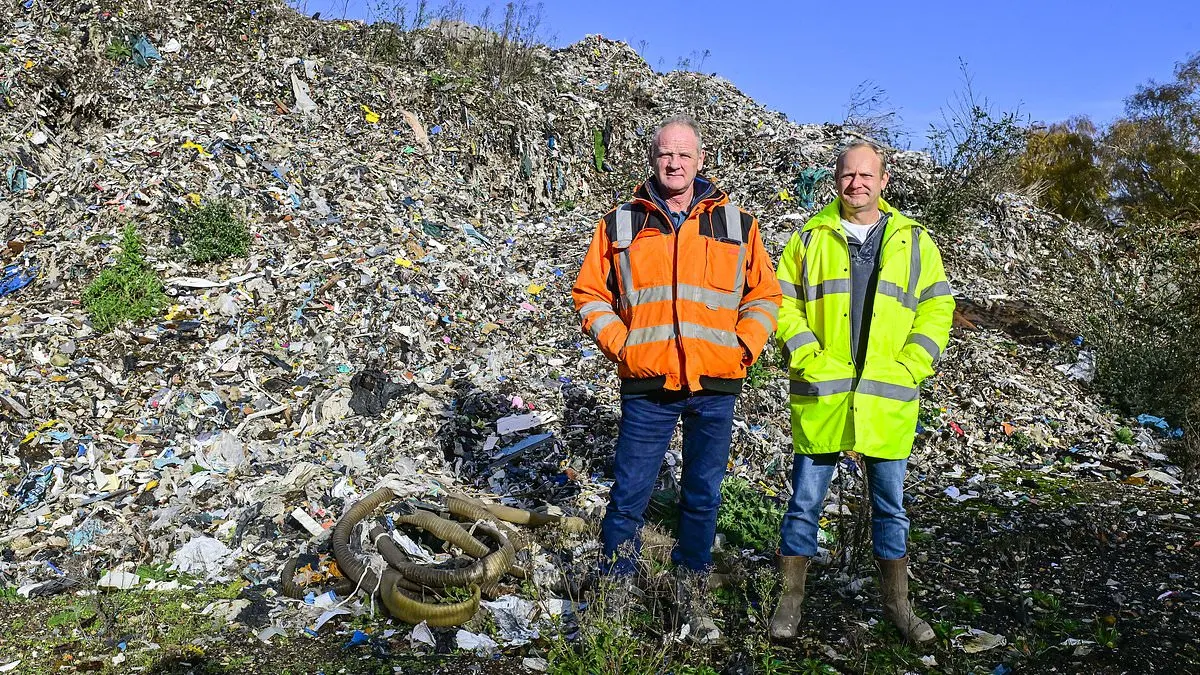
The directors of Hillier Recycling have been ordered to pay more than £100,000 in prosecution costs after admitting environmental permit breaches at a disused quarry in Dorset. They will not contribute to the estimated £2.7 million to £3.2 million needed to remove the waste, leaving landowner Paul Wilkes facing a major clean-up burden as the Environment Agency pursues the family through the courts.
The company leased Henbury Quarry in 2014 to handle inert waste, but mixed and hazardous waste accumulated in piles that reached about 50 feet. The Environment Agency found permit breaches in 2021, later found that required steps had not been taken, and household and commercial waste continued arriving after a stop notice. The company left the site in December 2023 and went into liquidation the following year; the three directors received community orders and unpaid work, and the court was told they could not afford compensation.
In short
- Quarry clean-up is estimated at up to £3.2 million.
- Hillier Recycling’s directors will not pay towards the removal.
- The Environment Agency is pursuing the landowner over the site.
Steelman: both sides, in good faith
The strongest fair case each way — we don't pick a winner.
The case for
The directors were convicted and ordered to pay prosecution costs, but the court was told they could not afford compensation, and the company has since gone into liquidation. A clean-up bill running into millions may be beyond their means, so requiring payment they cannot make could add little to remediation while imposing a further burden without a realistic prospect of recovery.
The case against
The waste accumulated under the company’s operation, including after a stop notice, and the landowner now faces a clean-up bill of up to £3.2 million. Requiring those responsible to contribute, if they have assets or can pay over time, would reflect accountability and help prevent the costs of environmental harm falling chiefly on an innocent landowner or the public.