Politics news and discussion on TalkFuse.
Spain goes to the polls in its most consequential election in decades
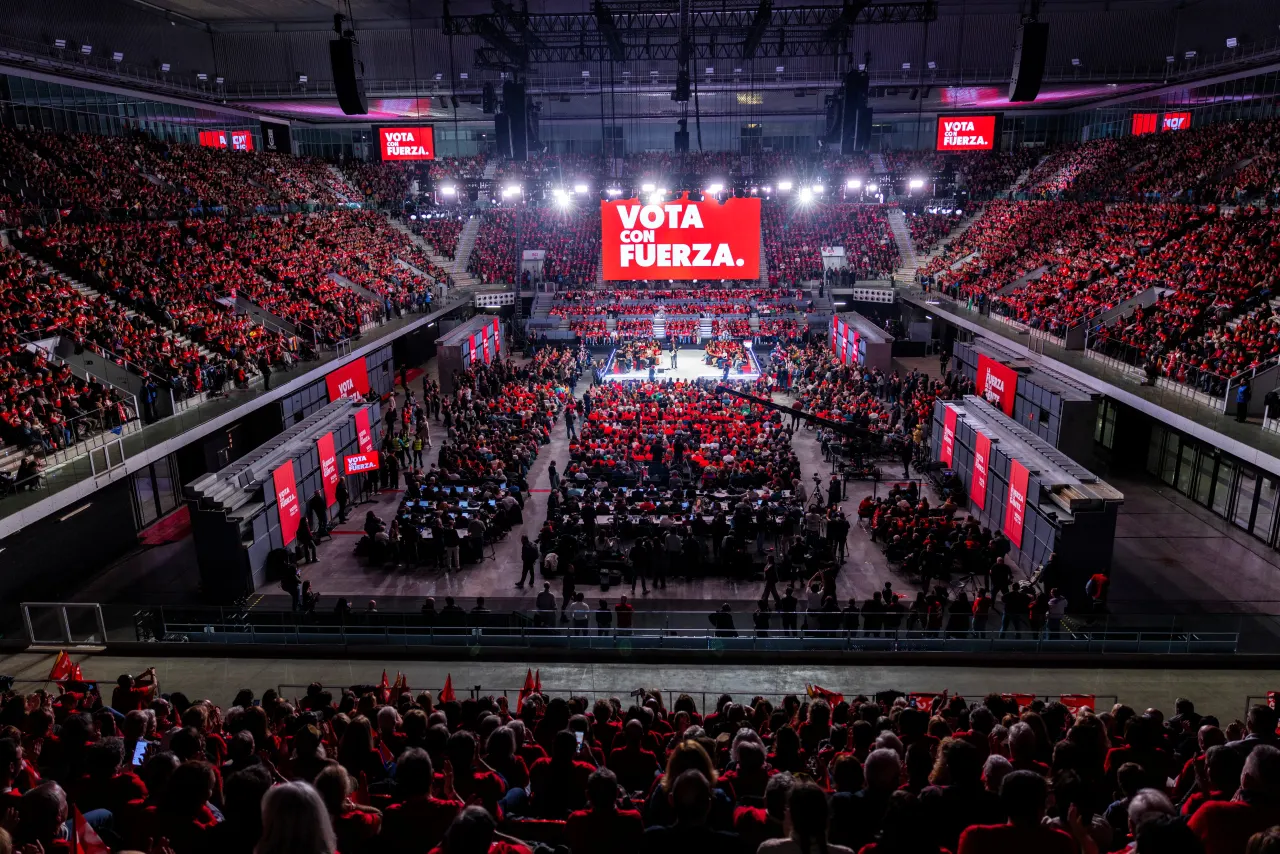
Nearly 39 million Spaniards are called to vote this Sunday in an election that has drawn unusually high public attention. Polling forecasts suggest turnout could reach 80%, the highest in more than four decades. The left, led by Pedro Sánchez and Ada Colau, and the right, led by Alberto Núñez Feijóo and Santiago Abascal, both describe the stakes as far larger than an ordinary contest.
The campaign featured heavy use of social media, appearances on YouTube and with influencers, and AI-generated caricatures, which often overshadowed policy debates. A 40dB poll for EL PAÍS and Cadena SER found that 70% of respondents believe these elections matter more than any others. Vox and the Popular Party have also questioned the integrity of the electoral process, with the PP citing the "grandchildren law", which allows descendants of Spanish exiles to gain nationality.
In short
- Nearly 39 million Spaniards vote Sunday in a highly contested election.
- Turnout could reach 80%, the highest in over four decades.
- Both political blocs describe the vote as existential for Spain's future.
Steelman: both sides, in good faith
The strongest fair case each way — we don't pick a winner.
The case for
The case for the left rests on the view that the coming term should protect what has been built, including a strengthened welfare state, labour protections and a broader idea of citizenship that extends to Spaniards abroad and their descendants. Its advocates argue that the stakes are high because the right has moved closer to parties whose positions on migration and minority rights they regard as a threat to pluralism, and that stable progressive governance is the best safeguard against that drift. They also stress that questioning electoral integrity without strong evidence can erode public trust in institutions that everyone depends on, and that defending those institutions is a duty of whoever governs.
The case against
The case against the left centres on the belief that an extended period in office has produced complacency, a lack of transparency and a reliance on fragile alliances with regional parties. Its advocates argue that voters have a legitimate right to change direction, and that a government with a clear mandate would be more accountable than one held together by compromises. They also contend that concerns about citizenship rules and the counting of votes are proper questions for a democracy to ask, and that treating them as disloyal closes off debate that could strengthen confidence in the result.
Explained simply
Spaniards are voting to elect the Congress of Deputies, the lower house of the national parliament. After the vote, parliament chooses the prime minister, so the result will determine who governs the country. Around 39 million people are eligible to vote, and turnout is expected to be unusually high.
The contest is mainly between two blocs. On the left, Prime Minister Pedro Sánchez of the Socialist Party is standing alongside Ada Colau, a former mayor of Barcelona. On the right, Alberto Núñez Feijóo leads the Popular Party, while Santiago Abascal heads the Vox party.
Leaders on both sides say the vote matters far more than an ordinary election. The campaign has relied heavily on social media, video platforms and influencers, and some observers say these tactics have overshadowed policy debate. Vox and the Popular Party have also questioned the fairness of the electoral process, and the Popular Party has pointed to the "grandchildren law", which allows descendants of Spaniards exiled during the Franco era to apply for Spanish nationality.
Elections Europe Politics World