World news and discussion on TalkFuse.
The luxury of longevity clinics: Living better (and perhaps longer) if you can afford it
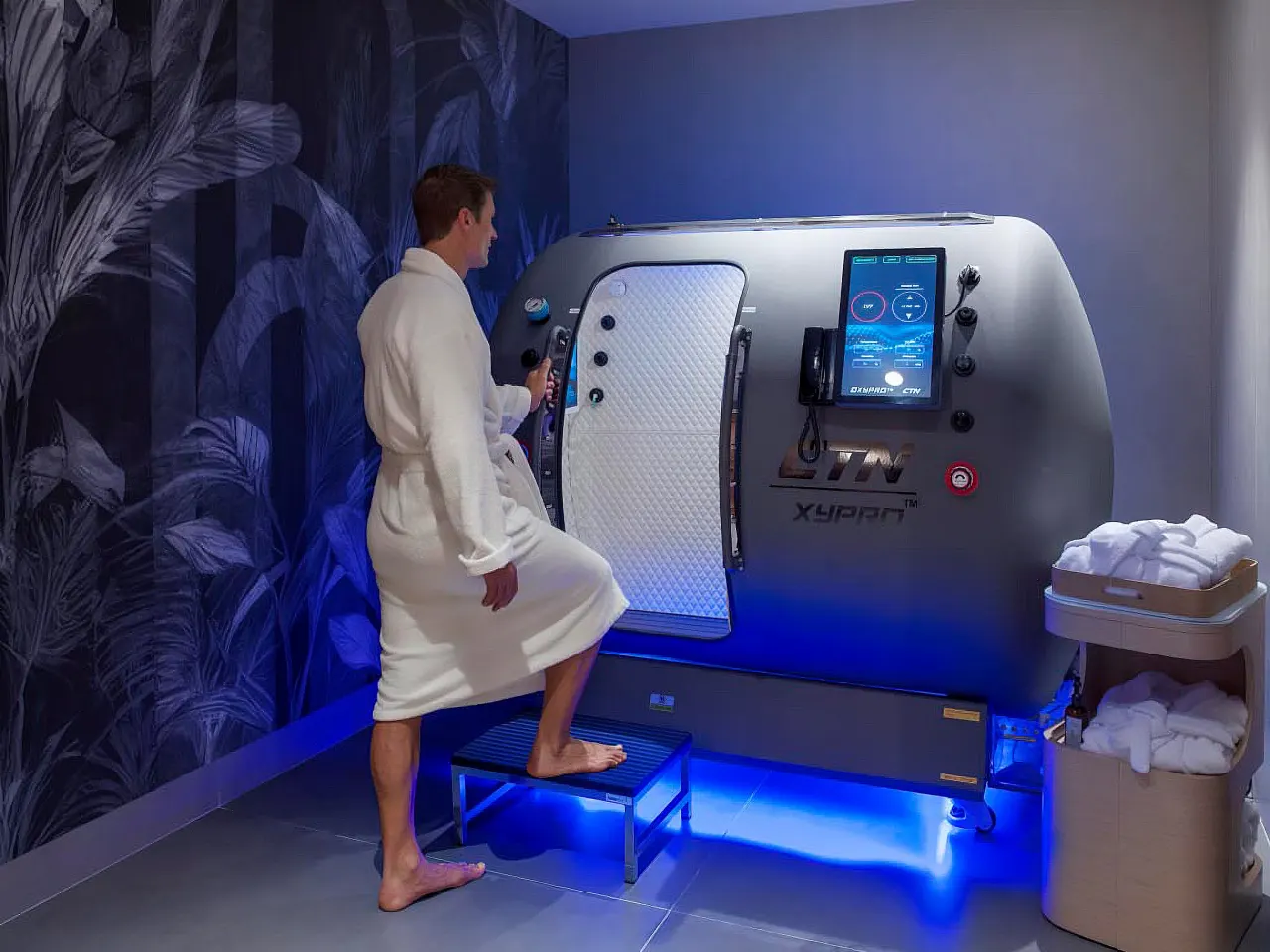
Exclusive longevity clinics are growing in Spain, offering intensive health assessments and plans intended to support healthy ageing. Their high prices put them beyond most people’s reach, while claims that treatments can slow or reverse ageing remain unproven in humans.
The article estimates there are about 30 such centres, mainly in Madrid, Barcelona, Marbella and Valencia, though no official count or market turnover is available. Prices range from €10,000 to €35,000 a year for Age Reversal memberships, €7,500 a week at SHA Wellness Clinic and €60,000 for a week at SENSES. Experts say no medicine has been approved specifically to stop or reverse ageing; clinics describe their work more cautiously as prevention. Meanwhile, years spent in poor health rose by 13%, from about eight and a half in 2000 to more than nine and a half in 2019.
In short
- Spain has an estimated 30 longevity clinics, with services priced for wealthy clients.
- Claims to reverse ageing lack validation in human studies.
- The focus is prevention as people spend longer living with illness.
Steelman: both sides, in good faith
The strongest fair case each way — we don't pick a winner.
The case for
Advocates see these clinics as an extension of preventive medicine rather than a promise of immortality, offering thorough assessments, biomarker tracking and personalised plans that conventional systems often do not provide. They note that people with resources have always sought better health, and that wealthy clients funding this work may help produce data and practices that later become more widely available. On this view, the high price reflects the cost of intensive individual attention, and growing interest in healthy ageing responds to a real demand for more years lived in good health.
The case against
Critics argue that evidence for slowing or reversing ageing in humans has not been established, and that marketing implying otherwise can lead people to spend large sums on unproven treatments. They contend that a model built on expensive memberships risks widening health inequality at a time when years spent in poor health are rising, and that public resources would do more good if directed to prevention available to everyone. Sceptics also point to the absence of an official count, transparent market data or regulatory approval for ageing-specific treatments, which makes the sector's claims and safety hard to assess. Their concern is less with individual choice than with whether the wider health system is shaped around who can pay.