Politics news and discussion on TalkFuse.
Costa Rica bars UN rights expert Francesca Albanese from receiving honorary doctorate
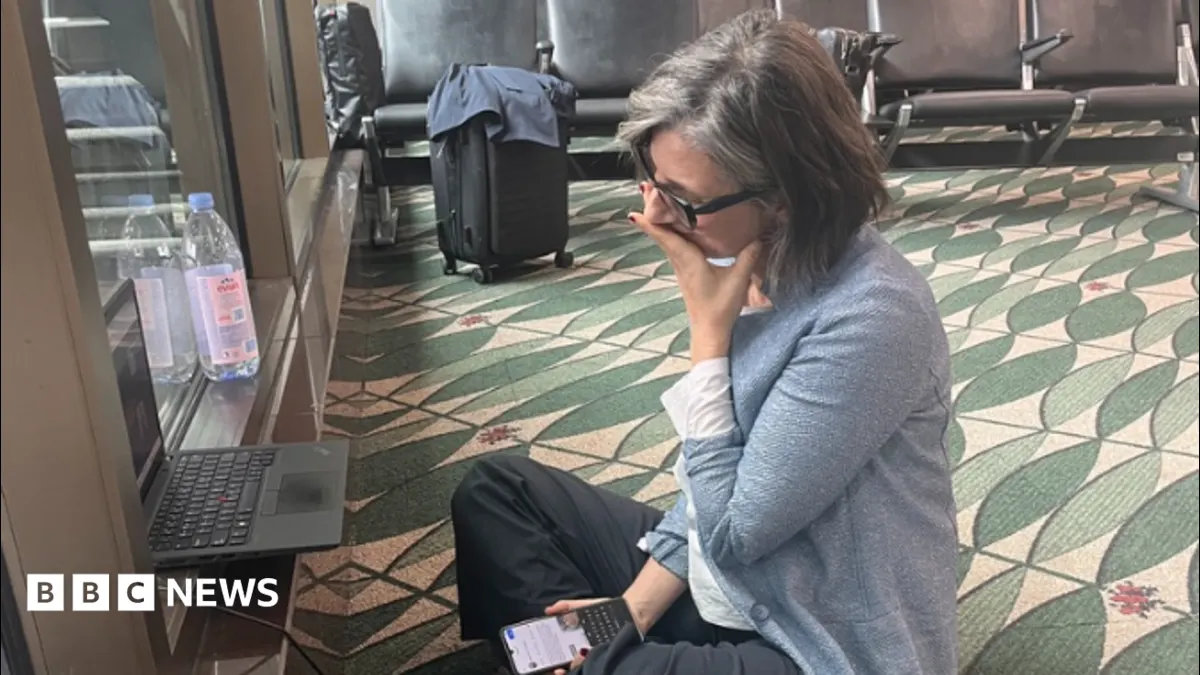
Costa Rica barred Francesca Albanese, the UN Special Rapporteur on Palestinian rights, from entering the country to receive an honorary doctorate, drawing criticism from human rights groups and the UN human rights chief. The decision matters because it has raised concerns about the treatment of a UN-appointed human rights expert and prompted a dispute over Costa Rica’s stated reason for refusing her entry.
Costa Rican immigration officials cited alleged links to terrorist acts but gave no further details; Albanese strongly denied the accusation. After spending two nights at San José airport, she flew to Mexico on Saturday, while the University of Costa Rica held the ceremony by video link. Albanese has held her UN role since 2022 and is a vocal critic of Israel’s conduct in Gaza; Israel rejects accusations of genocide and other alleged abuses.
In short
- Costa Rica refused entry to UN expert Francesca Albanese.
- She received her honorary doctorate by video link from the airport.
- Officials cited alleged terror links, which Albanese denies.
Steelman: both sides, in good faith
The strongest fair case each way — we don't pick a winner.
The case for
Costa Rica has a sovereign right to decide who enters its territory, and immigration authorities may hold security information that cannot be made public without compromising sources or investigations. When officials are told of alleged links to terrorism, a cautious state can reasonably act first and explain later, since the cost of error in that area can be severe. Protecting citizens and the integrity of national institutions can justify refusing entry, even to a person who holds a UN mandate, and a university honour is not a right that overrides border controls.
The case against
UN experts carry functional immunity under the 1946 Convention on the Privileges and Immunities of the United Nations, and that protection exists so that they can carry out independent scrutiny without fear of reprisal. Barring an expert on the basis of an unspecified accusation, with no evidence offered publicly, risks turning security powers into a tool against critics and weakens due process. Such a decision could also deter other experts and civil society figures from engaging with states, and it sits uneasily with Costa Rica's long reputation as a champion of human rights and peaceful dispute resolution.
Geopolitics Middle East Politics World
Read the full article at the source →
Originally published by BBC World as “Costa Rica bars UN Special Rapporteur from entering country for award”.