Business news and discussion on TalkFuse.
Trump Economic Adviser Insists Inflation Is ‘Way Down’ As Nancy Cordes Presses Him On Tariffs
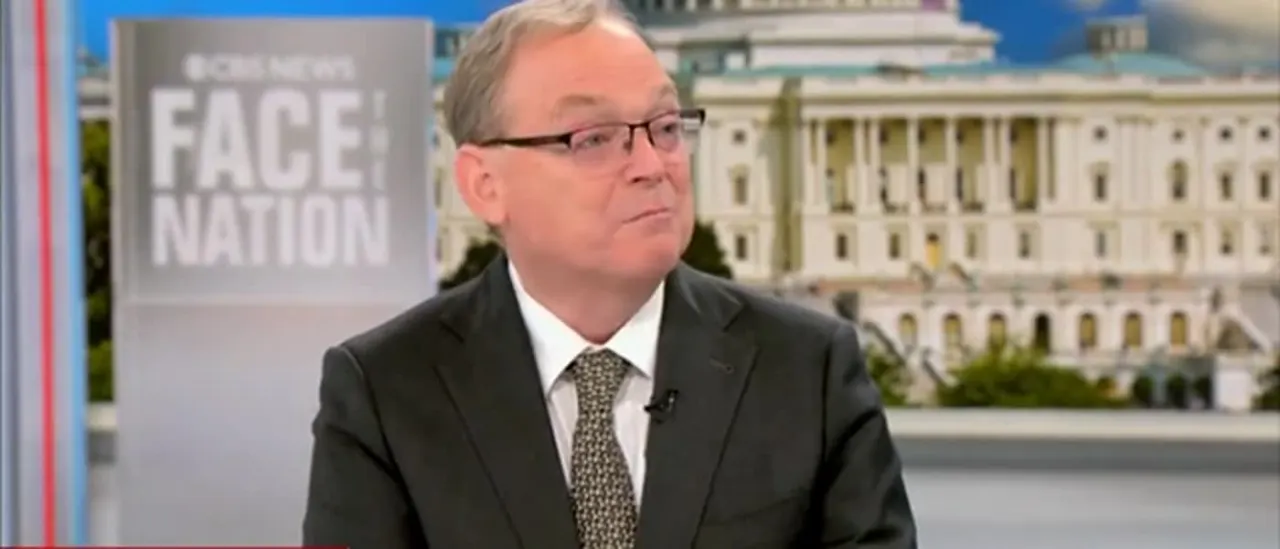
White House economic adviser Kevin Hassett said inflation had “come way down” when asked whether proposed tariffs could make it worse. In a television interview, Nancy Cordes challenged that claim by citing October inflation of 3.8 per cent under the Federal Reserve’s preferred measure. The exchange matters because the administration is considering new tariffs while voters are concerned about their economic effects.
Hassett pointed to economic growth and falling core inflation, which excludes food and energy, and said real incomes were higher. The Bureau of Economic Analysis revised its estimate of third-quarter growth from 3.4 per cent to an annual rate of 4.3 per cent after the November midterm elections. Hassett also said revisions to government figures around elections merited investigation, while clarifying that he was not claiming an investigation had reached conclusions. The proposed tariffs could reach 35 per cent on goods from China, India, the EU and 11 other economies; public comments are being considered until 5 January 2027.
In short
- Hassett says inflation has fallen as he faces questions about tariffs.
- October inflation was 3.8 per cent on the Fed’s preferred measure.
- Proposed tariffs of up to 35 per cent are under consideration.
Steelman: both sides, in good faith
The strongest fair case each way — we don't pick a winner.
The case for
Supporters of the proposed tariffs argue that they can rebuild domestic manufacturing, reduce dependence on rival economies for strategically important goods, and give negotiators leverage to secure fairer trade terms. They point to strong growth, falling core inflation and rising real incomes as evidence that the economy can absorb the adjustment, and they see short-term price pressures as a manageable cost of longer-term resilience and national economic independence.
The case against
Critics of the tariffs argue that they are, in practice, taxes on imports that businesses often pass on to households, so they risk raising prices at a time when many voters are already strained. They note that core inflation excludes food and energy, which are costs families feel most directly, and they question whether a claim that inflation is 'way down' fits with the 3.8 per cent figure cited under the Federal Reserve's preferred measure. Many also worry about retaliation, uncertainty for businesses, and the credibility of official statistics when their revisions come under political scrutiny.