Xbox restructuring axes 3,200 jobs and cuts four studios loose
Developed over time first seen 3 months ago
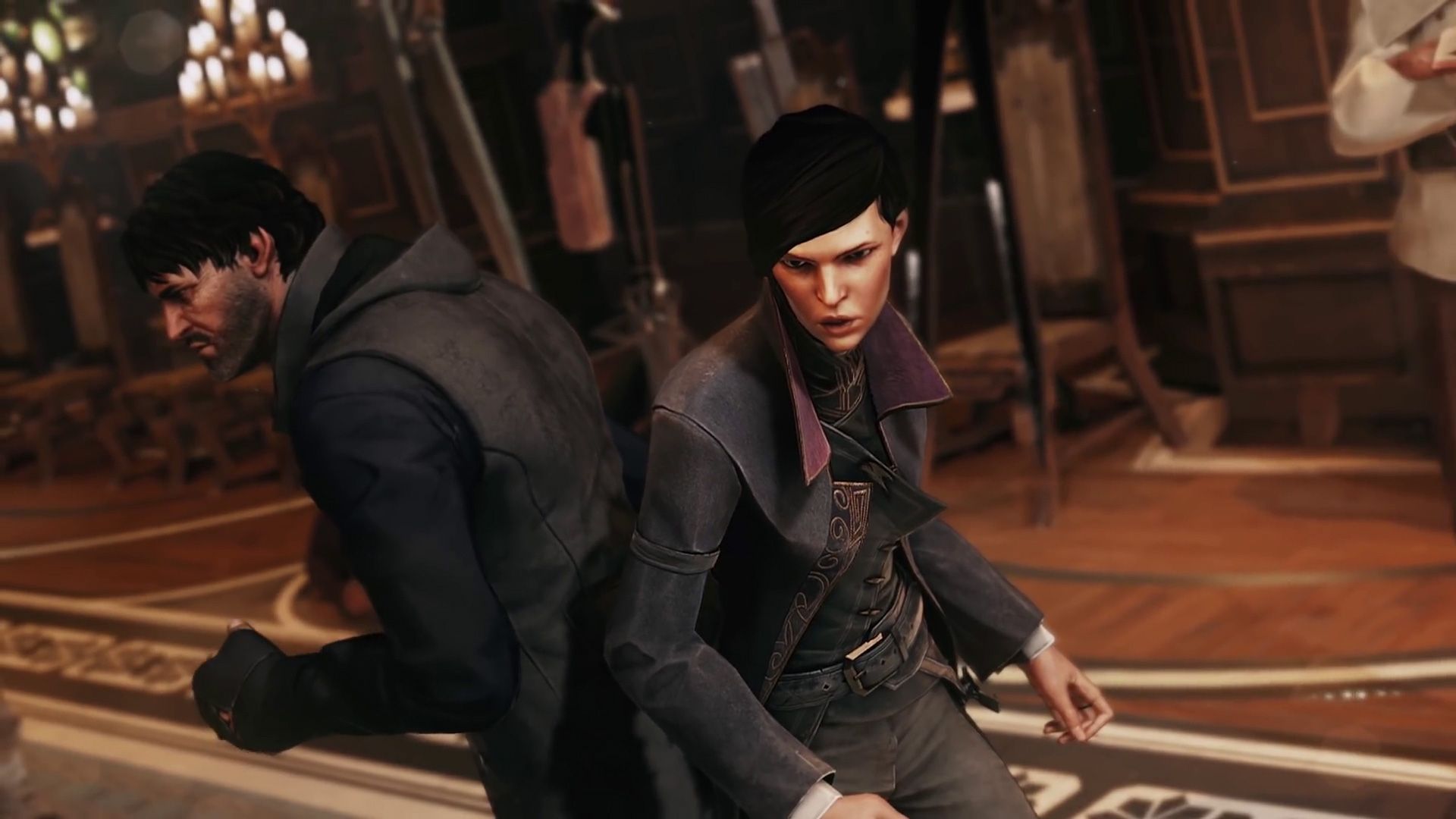
Microsoft's Xbox division carried out a sweeping restructuring that eliminated 3,200 jobs and separated four studios—Compulsion Games, Double Fine Productions, Ninja Theory and Undead Labs—into independent operations. The scale of the cuts and the loss of established studios marks one of the most significant shake-ups in Xbox's history, raising questions about the future direction of several major franchises. As part of the separation, Double Fine Productions and Compulsion Games were permitted to retain ownership of their existing franchises and game catalogues as independent companies.
The impact extended well beyond the departing studios to those remaining under Microsoft's ownership. ZeniMax Online Studios, developer of The Elder Scrolls Online, and id Software both survived the restructuring but sustained deep cuts, including the departure of senior personnel and forced revisions to development schedules and product roadmaps. Multiple teams were left depleted, and uncertainty persists over the long-term status of several studios, including Arkane Studios, and the direction of their franchises.
- Xbox restructuring cuts 3,200 jobs across the division.
- Four studios spun off into independent operations.
- ZeniMax Online and id Software survive but face deep cuts.
New here? Start with this
Xbox is the video games arm of Microsoft, making consoles as well as owning a large network of game development studios that produce titles for it. In late July 2026, Microsoft carried out a major restructuring of that division, cutting around 3,200 jobs and separating four studios—Compulsion Games, Double Fine Productions, Ninja Theory and Undead Labs—so they now operate independently rather than as part of Microsoft.
These studios had been acquired by Microsoft in recent years as it expanded Xbox's in-house game-making capacity, alongside other well-known names like Bethesda's ZeniMax and id Software, which remain under Microsoft ownership but were also affected by cuts. Games from these studios include titles tied to established franchises that many players follow closely, so changes to who owns and runs the studios can affect how those games continue to be developed.
The move matters because it signals a shift in how Microsoft manages its games business after a period of heavy investment and acquisition, and it raises questions about job security, the future of specific game franchises, and the wider health of the games industry, which has seen repeated rounds of layoffs across major companies in recent years.
Both sides, in good faith
The strongest fair case each way — we don't pick a winner.
The case for
Supporters would argue that a large games division must sometimes streamline its structure to remain sustainable amid rising development costs, changing player habits and pressure to deliver reliable returns. Allowing studios such as Double Fine and Compulsion to retain their own franchises could give them greater creative and commercial independence, while letting Xbox concentrate resources on its most strategic projects. They would see painful cuts as an attempt to preserve the wider business and protect its ability to fund games in the long term.
The case against
Critics would argue that eliminating 3,200 jobs and distancing Xbox from experienced studios sacrifices skilled people, creative continuity and trust for short-term financial goals. Deep cuts at surviving teams may delay games, weaken support for established communities and leave major franchises without clear stewardship. They would contend that a company with Microsoft's resources should pursue more gradual, transparent measures that safeguard workers and the distinctive studios on which Xbox's reputation depends.
Coverage
- Polygon — Xbox restructuring leaves Arkane in limbo as Dishonored co-founder jokes about buying it
- The Verge — Former Xbox studios Double Fine and Compulsion retain their games after independence
- PC Gamer — Elder Scrolls Online loses roughly half its content team to Microsoft cuts
- PC Gamer — Microsoft layoffs strike Bethesda and ZeniMax particularly hard, union says
Art Business Companies Culture Entertainment Gaming Software Technology