World news and discussion on TalkFuse.
Apple signs $30 billion deal for Broadcom wireless chips made in America
Developed over time first seen 4 months ago
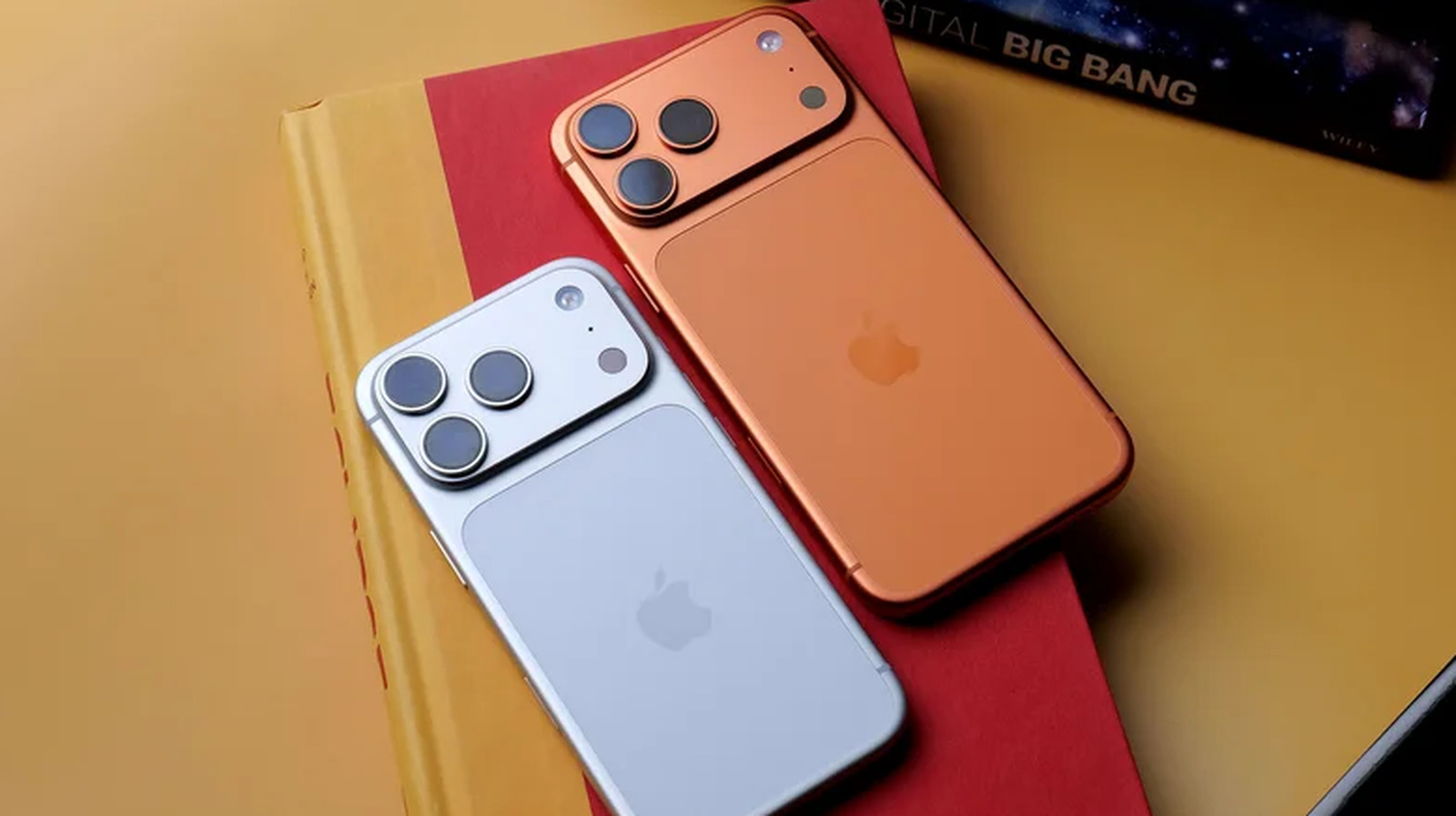
Apple has signed a $30 billion agreement with Broadcom to buy custom wireless chips manufactured in the United States, describing them as components "for a wide range of Apple products." The deal matters because it represents the single largest commitment Apple has made under its pledge to invest up to $600 billion in the domestic technology supply chain, a promise made amid the threat of tariffs and pressure to expand US-based manufacturing.
Of the total, $1.5 billion will go towards upgrading Broadcom's facility in Fort Collins, Colorado, which will produce "advanced radio frequency components," and the companies say the arrangement will lead to the production of 15 billion US-made chips. The firms have offered few specifics beyond references to "advanced wireless connectivity technologies," though the release highlights FBAR filters, a proprietary Bulk Acoustic Wave technology used to filter wireless bands in smartphones. Notably, Broadcom does not own extensive manufacturing capacity itself and outsources production to third parties such as TSMC, while the two companies already have a long history of collaboration on RF, Wi-Fi and Bluetooth silicon. Further large deals are expected over the next three years.
- Sources
- 2
- Outlets
- 2
- Left · Centre · Right
- 0 · 0 · 0
In short
- Apple commits $30 billion to buy US-made Broadcom wireless chips.
- $1.5 billion will upgrade Broadcom's Fort Collins, Colorado facility.
- It is Apple's largest deal under its $600 billion pledge.
How this story developed
- 4 months ago Reporting reframes the arrangement as Apple's single largest commitment yet under its tariff-prompted pledge to invest up to $600 billion in the US supply chain over four years, confirming the Fort Collins plant will produce both advanced radio frequency components and FBAR filters while Broadcom continues to outsource actual manufacturing to third parties such as TSMC.
- 4 months ago Apple has signed a $30 billion agreement to buy US-made wireless chips from Broadcom, singling out proprietary FBAR filter technology alongside broader connectivity components, with $1.5 billion set aside to upgrade Broadcom's Fort Collins, Colorado facility and a target of manufacturing around 15 billion domestic chips.
Steelman: both sides, in good faith
The strongest fair case each way — we don't pick a winner.
The case for
This represents prudent strategic investment in American technological sovereignty and economic resilience. By building domestic capacity for critical wireless components, the US reduces vulnerability to supply chain disruptions and geopolitical leverage from Taiwan's dominance of chip manufacturing. The resulting employment and competitive advantages justify supporting domestic commitments.
The case against
Whilst the security objectives are sensible, the deal's implementation warrants scrutiny. Broadcom outsources production to TSMC anyway, limiting genuine US expansion, whilst the $1.5 billion facility upgrade seems modest against the $30 billion value and vague product references suggest uncertain scope. If tariff threats rather than genuine economic advantage motivated this, consumers face higher costs and capital may be misallocated from more efficient applications.
Explained simply
Apple has committed to spending $30 billion (£23bn) with chip designer Broadcom for custom wireless components made in the United States. Broadcom's chips already sit inside many Apple devices, handling things like Wi-Fi and Bluetooth connections, but this deal ties future production more firmly to American factories rather than the mostly overseas manufacturing that has traditionally been used.
The agreement sits within a much bigger pledge Apple made to invest up to $600 billion in the US technology supply chain, a promise that followed pressure from the US government and the threat of tariffs on goods made abroad. Apple has been trying to show it is shifting more of its supply chain onto US soil, even though the physical manufacturing of chips is often still carried out by specialist firms elsewhere.
Broadcom itself does not run large factories and typically relies on outside manufacturers, such as Taiwan's TSMC, to produce its chip designs. That makes the location and structure of this new "made in America" arrangement a significant part of the story, since it raises questions about what proportion of the work will genuinely take place domestically.
Coverage · 2 sources
Read the full article at the source →
Originally published by Engadget as “Apple pledges to buy $30 billion of Broadcom’s US-made chips”.