Disney’s Live-Action Moana Remake Heads to Box Office Shortfall Amid Lukewarm Reception
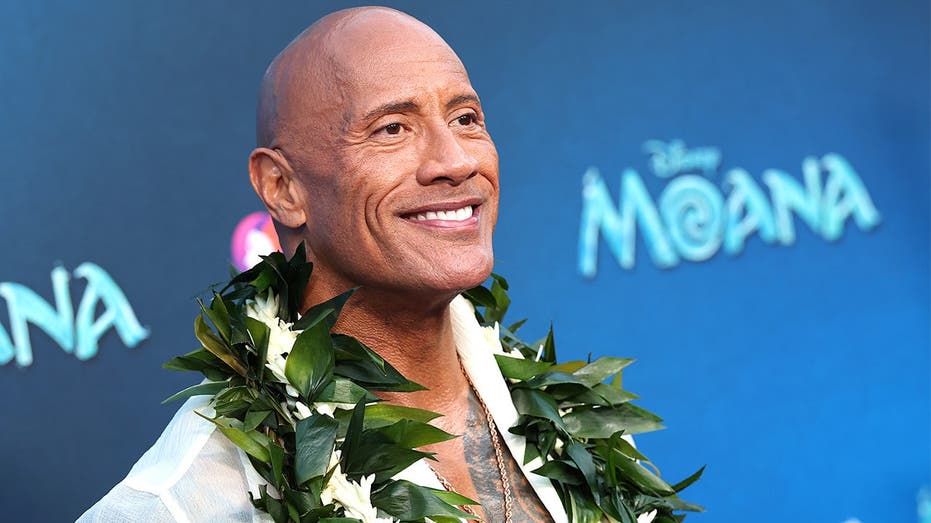
Disney's live-action adaptation of Moana arrives in cinemas on July 10, 2026, with Dwayne Johnson returning to voice the character of Maui in the reimagining of the 2016 animated film. The project represents Disney's continued investment in translating its animated classics to live-action, arriving just under two years after the blockbuster success of the animated sequel Moana 2 in 2024.
However, early indicators suggest the remake will struggle at the box office, with critics delivering largely negative reviews and industry projections pointing to a weak opening weekend. The film's anticipated underperformance adds to a troubling track record for Disney's recent live-action adaptations, following similar commercial and critical disappointments with last year's Snow White remake. Together, these releases raise questions about audience appetite for Disney's live-action reimagining strategy and whether the studio's animated hits can translate effectively to photorealistic formats.
- Disney's live-action Moana remake debuts July 10, 2026, with Dwayne Johnson reprising his Maui role
- The film faces poor early reviews and modest box office projections, continuing a pattern of struggling live-action Disney adaptations
- The remake arrives less than two years after Moana 2's theatrical success, highlighting divergent audience responses to animated sequels versus live-action remakes
New here? Start with this
Disney's Moana was originally an animated musical released in 2016, and it later spawned an animated sequel, Moana 2, in 2024. This new version is a live-action remake, a genre in which studios remake existing animated films using real actors and settings rather than traditional animation. Dwayne Johnson, who voiced the character Maui in the animated films, returns to voice the same role here.
Disney has made several of these live-action remakes in recent years, turning past animated hits into new films aimed at both nostalgic adults and new audiences. This strategy has had mixed results, and last year's live-action Snow White was widely seen as both a critical and commercial disappointment.
The Moana remake matters because its performance will be read as a further test of whether this remake strategy still works for Disney, and whether audiences and critics remain receptive to seeing beloved animated stories retold with live actors.
Both sides, in good faith
The strongest fair case each way — we don't pick a winner.
The case for
Advocates for Disney's live-action strategy argue that revisiting beloved animated films with modern visual technology introduces these stories to new audiences and formats, particularly appealing to families seeking shared cinema experiences and to fans curious to see familiar characters rendered anew. They contend that box office projections and early critical reception often fail to capture a film's eventual performance through word of mouth, streaming longevity, and international markets, and that Disney's willingness to keep investing in ambitious, expensive reimaginings reflects a reasonable bet on brand loyalty and nostalgia driving long-term value even if opening weekends disappoint.
The case against
Critics of the live-action remake strategy argue that photorealistic adaptations often strip away the stylised charm, musical energy, and emotional expressiveness that made the original animation work, particularly for a story like Moana that leans heavily on vibrant, stylised visual storytelling. They contend that the pattern of lukewarm receptions, following Snow White's struggles, signals a genuine erosion of audience trust in the format, and that continuing to greenlight these remakes risks creative stagnation, diverting resources and goodwill away from original storytelling in favour of what they see as a commercially cautious reliance on existing intellectual property.
Coverage