Philips offers free replacements after update bricked smart lighting hubs
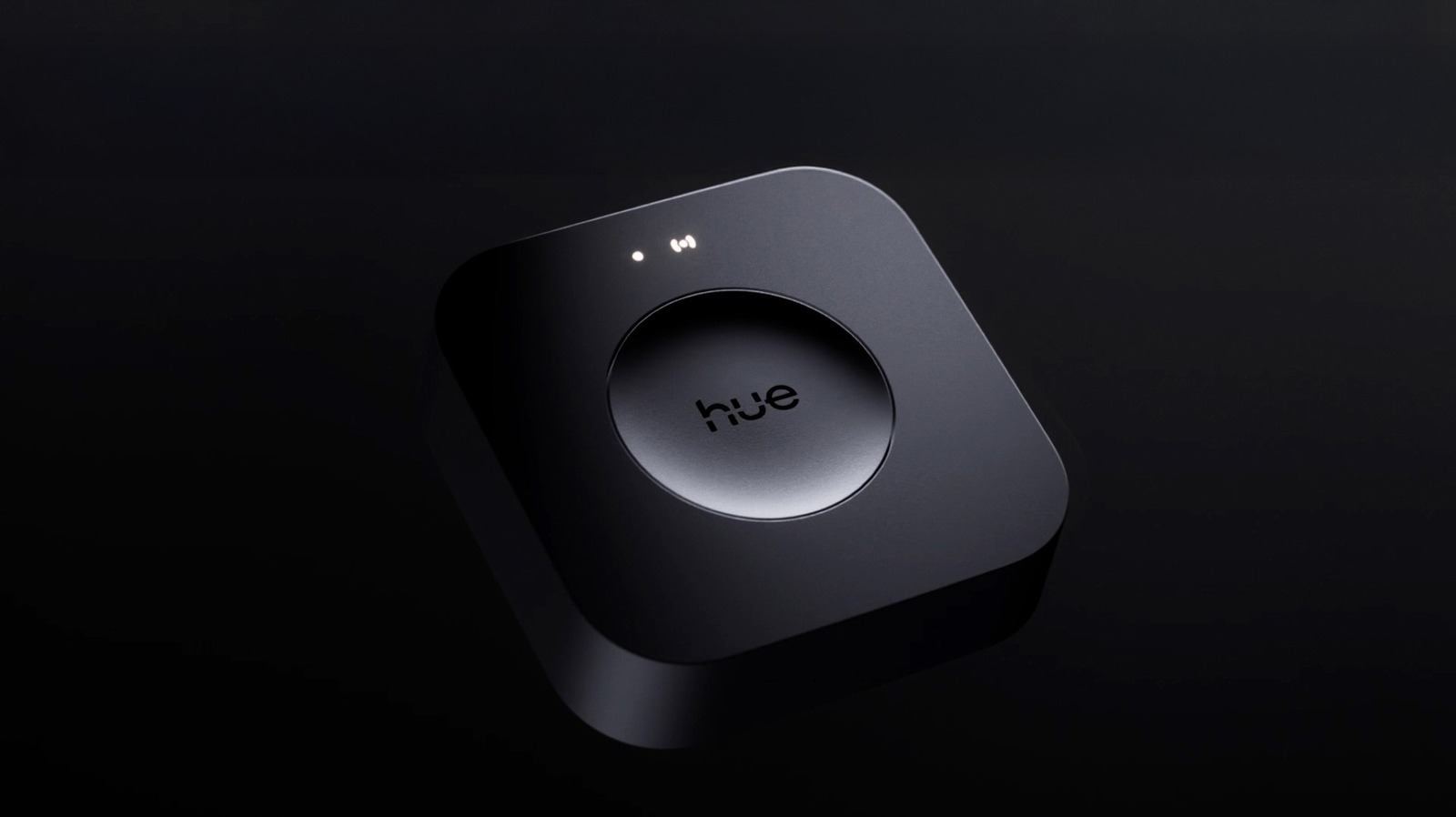
Philips has confirmed that a firmware update released in June bricked a small number of its Hue Bridge Pro smart lighting hubs, and it is offering free replacements to all affected owners regardless of warranty status. The gesture matters because the Bridge Pro is a relatively pricey central hub for many users' smart home setups, and the failure left affected devices completely non-functional.
According to the report, first covered by Ars Technica, fewer than 100 devices were affected, and only under a "very specific software update scenario": owners with automatic updates disabled who stayed on an older version for an extended period, then manually installed the 2071353020 update after it had been stored on the device for more than 10 days. Affected users can contact Philips support for a replacement, though they will have to reconfigure the new hub from scratch — potentially lengthy given the Bridge Pro supports up to 150 lights and 50 accessories, plus shortcuts and schedules. Philips said it is already rolling out a further update designed to prevent other devices from encountering the same fault.
- Philips will replace bricked Hue Bridge Pro hubs free of charge.
- Fewer than 100 devices affected by June firmware update.
- A preventative update is now rolling out to others.
New here? Start with this
Philips Hue is a popular system of smart lighting that allows homeowners to control lights remotely and create automated lighting scenes. The Hue Bridge Pro is the central hub that the system depends on — it connects individual bulbs and accessories to the home network and enables the system's advanced features.
The Bridge Pro is a relatively expensive device and forms the core of many households' smart home setups. If this single component fails, the entire lighting system becomes unusable, leaving users unable to control any of their connected lights and accessories or run any of their automated routines.
Software updates are routine releases by manufacturers designed to fix bugs, add new features and strengthen security. Most devices update automatically, though users can typically disable automatic updates and install software changes manually when they prefer to do so.
Both sides, in good faith
The strongest fair case each way — we don't pick a winner.
The case for
Philips has demonstrated commendable customer responsibility by offering unconditional replacements regardless of warranty status, a gesture that goes beyond minimum expectations in an industry often criticised for poor customer relations. The incident affected fewer than 100 devices under an exceptionally narrow set of circumstances, suggesting the company's testing was thorough in most scenarios. By transparently disclosing the issue and already deploying a preventative update, Philips is managing the situation with both urgency and accountability, bearing the full cost of replacement without deflecting blame to user behaviour.
The case against
A firmware update should never render a device inoperable under any circumstance, and users who disabled automatic updates were exercising reasonable caution—yet the update failed regardless, suggesting insufficient testing of edge cases before release. Whilst free replacements are appreciated, customers must still face substantial reconfiguration burdens with up to 150 lights and 50 accessories, meaning Philips has merely replaced hardware rather than truly resolving the underlying problem. This incident raises serious questions about quality assurance processes and whether a company can claim genuine accountability when it allows such failures to occur in the first place rather than preventing them through proper validation.