World news and discussion on TalkFuse.
How US commerce secretary’s Epstein links were uncovered by British whistleblower
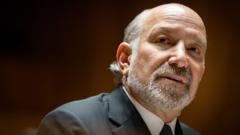
A British former Wall Street executive, Simon Andriesz, has revealed how he uncovered evidence suggesting that US commerce secretary Howard Lutnick failed to disclose a business relationship with the late paedophile financier Jeffrey Epstein. Andriesz found a 2018 email chain showing Lutnick and Epstein discussing a start-up venture, and passed the material to the US House Oversight Committee before Lutnick's appearance there in May. Lutnick has said he only learned this year that Epstein had invested in the firm, and his department maintains there was no wrongdoing, but the revelations raise fresh questions about senior Trump administration figures' undisclosed links to Epstein.
Andriesz, a former managing director at BGC Partners (part of Lutnick's Cantor Fitzgerald group), found the material while searching 3.5 million released Epstein files, having previously given evidence to the FBI during a dispute with his ex-employer over accounting irregularities that led to a $3m regulatory penalty against BGC. He also discovered plans from 2013 for a Lutnick firm to profit from Prince Andrew's contacts via a proposed £1m loan, and says the FBI never investigated his allegations against Lutnick. Lutnick, appointed commerce secretary in 2025, has previously said he met Epstein only once, 20 years ago, though the newly surfaced files appear to contradict parts of that account.
In short
- Whistleblower Simon Andriesz found Lutnick-Epstein business emails in leaked files
- Lutnick denies wrongdoing; commerce department says no evidence found
- Files also reveal a 2013 plan involving Prince Andrew's contacts
Steelman: both sides, in good faith
The strongest fair case each way — we don't pick a winner.
The case for
The documents appear to show material business dealings between Lutnick and Epstein that should have been disclosed before his appointment as commerce secretary. A senior government official seeking public trust should have exercised particular transparency regarding financial connections to a disgraced financier, and the revelation after appointment raises legitimate questions about disclosure processes and the thoroughness of vetting procedures.
The case against
Lutnick's stated position—that he only recently learned of Epstein's investment—remains plausible and warrants investigation rather than assumption of wrongdoing. Business dealings with prominent financiers do not inherently constitute impropriety, and the whistleblower's own dispute with his former employer and the substantial financial settlement he received from them merit careful scrutiny of his motivations and interpretation of the documents.
Explained simply
Jeffrey Epstein was a wealthy financier who was convicted of sex offences and later faced federal charges before his death in 2019. He had contacts in business and politics, and records about those relationships have continued to draw scrutiny.
Howard Lutnick, a former Wall Street executive, became US commerce secretary in 2025. Simon Andriesz, who once worked for a firm in Lutnick’s business group, says he found emails about a possible venture involving Lutnick and Epstein while reviewing released Epstein files, and sent them to a US House committee.
The dispute centres on what Lutnick knew about Epstein’s business connections and what he previously said about their contact. Lutnick and his department deny wrongdoing; the questions matter because they concern disclosure and accountability among senior government officials.
Americas Research Science UK World