The new Marvel’s Wolverine cinematic trailer has been swarmed by PlayStation fans still angry at Sony ditching discs
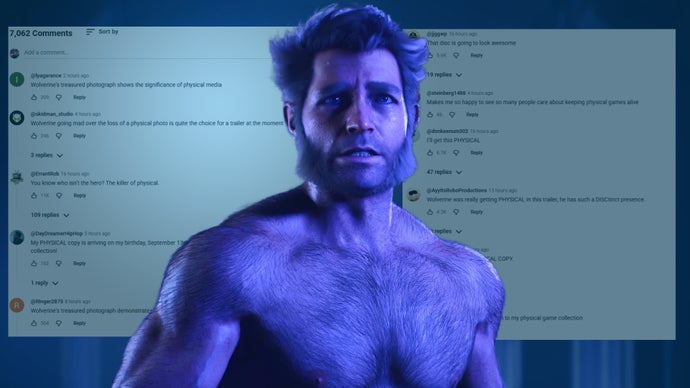
A cinematic trailer for Insomniac Games' Marvel's Wolverine has been overrun with comments criticising Sony's decision to phase out physical game discs, rather than reactions to the game itself. The "Ain't No Hero" trailer, released ahead of the game's 15th September launch, shows Logan battling enemies across the decades while grieving a destroyed photograph, but the top comments on both YouTube and X focus almost entirely on disc-related outrage, with puns referencing the "physical" and "DISCtinct" theme reflecting fans' anger rather than excitement for the trailer.
The backlash follows Sony's announcement that physical disc production will end in January 2028, a move that has stoked concerns over post-release game pricing, consumer rights and long-term game preservation on an increasingly digital-only platform. A top YouTube comment from user ErrantRob had amassed over 10,000 likes within a day, while similar disc-related outrage has also hit recent social posts for Marvel Tokon: Fighting Souls and PowerWash Simulator. The article notes the irony that Insomniac, unable to influence Sony's corporate decision, is bearing the brunt of fan anger, even though Marvel's Wolverine itself will still receive a physical release.
In short
- Wolverine trailer comments swamped by anger over Sony ditching game discs
- Sony to end physical disc production in January 2028
- Marvel's Wolverine, out 15th September, will still get a physical release
Steelman: both sides, in good faith
The strongest fair case each way — we don't pick a winner.
The case for
Physical media represents genuine consumer ownership and permanence that digital licences cannot match; players own a complete, functional product that cannot be revoked or delisted. Game preservation advocates rightly note that digital-only systems risk losing titles entirely when platforms are sunset, and eliminating discs removes consumer freedoms to resell, lend, or gift purchases—rights with both ethical and practical value.
The case against
Digital distribution is more efficient, reduces manufacturing waste, and represents the natural evolution of consumer entertainment, much like music and film. Maintaining expensive parallel physical infrastructure is economically outdated when digital platforms can serve consumers more flexibly, sustainably, and cost-effectively.
Explained simply
Sony, which manufactures PlayStation consoles, announced plans to end production of physical game discs by January 2028. This decision means future PlayStation games will only be available as digital downloads, a shift that has prompted concern among gamers about pricing, consumer rights such as ownership and resale, and the long-term preservation of games without physical media.
The transition to all-digital gaming reflects trends across the industry, but raises significant questions for consumers. Gamers worry that without physical copies as alternatives, they will have less choice and less control over their purchases, particularly as companies could potentially adjust prices more freely once physical versions are no longer available.
For many players, this represents a fundamental change in how they acquire and keep games. Their concerns centre on long-term access to games, consumer rights, and the risks of complete dependence on digital platforms and company infrastructure that could change policies or become inaccessible over time.
Entertainment Film Gaming Software Technology