Business news and discussion on TalkFuse.
The surprising reason GameStop’s CEO isn’t sweating GTA 6 going digital-only
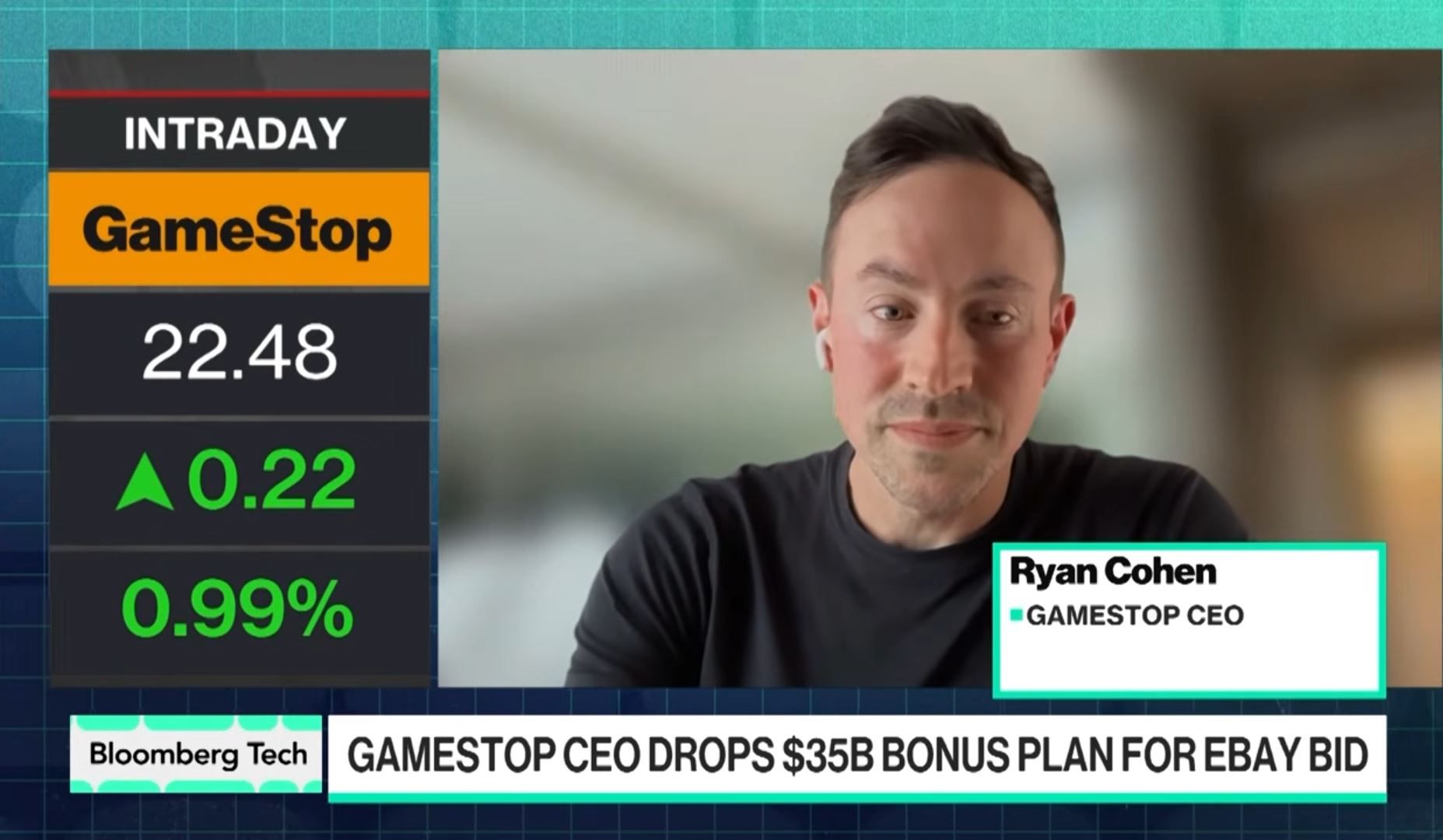
GameStop CEO Ryan Cohen showed little concern about video game publishers moving to digital-only distribution, revealing that the company has fundamentally repositioned itself away from software retail. With physical games generating less than 12% of revenue and collectibles accounting for more than half, Cohen argued the industry's digital shift is strategically irrelevant to GameStop's future.
The company's transformation centres on Pokémon trading cards, sold at substantial markups across physical retail locations and through digital pack platforms. Cohen's aggressive pursuit of eBay reflects this shift—acquiring the marketplace plus its subsidiary TCGPlayer would grant him control over the dominant infrastructure for collectibles trading. This strategy creates opportunities for consolidation, data-driven inventory manipulation, and leveraging both digital and physical sales channels for the same products.
In short
- GameStop CEO dismissed physical game industry decline as irrelevant, citing that software represents only 12% of revenue while collectibles exceed 50%
- Pokémon trading cards have become the core business with high-markup digital and physical pack sales
- The $56B eBay acquisition bid aims to consolidate control over the collectibles market, particularly TCG platforms
Steelman: both sides, in good faith
The strongest fair case each way — we don't pick a winner.
The case for
GameStop's strategic pivot acknowledges irreversible market realities: digital game distribution will inevitably dominate. Rather than defending an obsolete retail model, the company is repositioning towards collectibles—particularly trading cards—which demonstrate genuine, sustained consumer demand and superior margins. Consolidating the collectibles infrastructure through eBay and TCGPlayer creates operational efficiencies whilst leveraging GameStop's retail footprint as a distribution advantage in an authentically growing market.
The case against
Whilst digital games' dominance is undeniable, this strategy represents a capitulation that abandons gaming retail entirely rather than seeking meaningful adaptation within it. The pivot to collectibles lacks proven long-term sustainability and relies on a speculative market. More significantly, consolidating eBay and TCGPlayer raises serious concerns about market concentration and competitive fairness, with the model appearing dependent on substantial markups and inventory control rather than creating genuine customer value.
Explained simply
GameStop is a video game retailer that traditionally made money by selling physical copies of games in shops. The rise of digital distribution—where customers download games directly from publishers online rather than buying physical copies—posed a major threat to this business model. As more people bought games digitally, fewer visited GameStop's stores.
Over recent years, the company has undergone a fundamental transformation. Physical games now account for less than 12 per cent of revenue, whilst collectibles like Pokémon trading cards make up more than half the business. GameStop has essentially repositioned itself from a video game retailer into a collectibles retailer.
The company's strategy now centres on controlling the infrastructure for trading collectibles, including an effort to acquire eBay and TCGPlayer. This shift means the company profits from collectibles sales whether they occur through physical shops or digital platforms. Because the company's revenue increasingly depends on collectibles rather than video games, trends in how games are distributed affect the company less than they once did.
Business Companies Entertainment Gaming GTA 6