10 movie trilogies that defied the odds and got better with every film
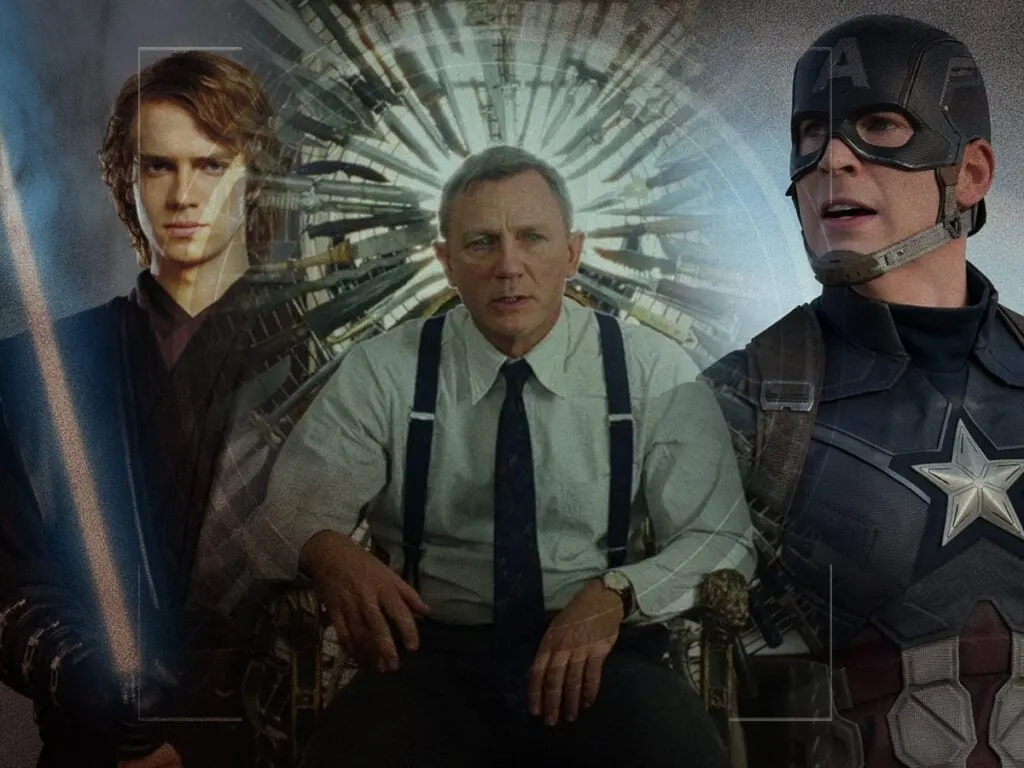
The article argues that a small number of film trilogies improve with each instalment, an achievement made less common as franchises expand into spin-offs and further sequels. It highlights stories that develop in scope or emotional depth, including Satyajit Ray’s Apu films and Sergio Leone’s westerns.
Ray’s trilogy follows Apu from childhood through adulthood, while Leone’s westerns build towards the increasingly ambitious The Good, the Bad and the Ugly. The article also discusses the Knives Out films, saying Glass Onion sharpens the satire and Wake Up Dead Man deepens the emotional and thematic focus. It contrasts these examples with series such as Star Wars, whose films are not generally seen as improving in sequence.
- Strong trilogies that improve film by film are rare.
- The Apu films trace one character from childhood to adulthood.
- The article praises the growing ambition of Leone’s westerns.
Both sides, in good faith
The strongest fair case each way — we don't pick a winner.
The case for
A trilogy can become more rewarding as its characters, themes and craft develop across films, giving the final instalment greater emotional or artistic force. Supporters of the article’s choices might argue that Ray’s Apu films and Leone’s westerns show how a director can build on earlier work, while the Knives Out films refresh their satire and deepen their concerns with each release.
The case against
Judging whether every film in a trilogy is better than the last is inherently subjective, and changes in tone or ambition may appeal to some viewers more than others. A later film can be more elaborate or thematically weighty without being stronger overall, while comparisons across distinct series—such as the Star Wars films—depend on which qualities a viewer values.