12 Years Later, Sofia Coppola’s Unmade Epic Fantasy Still Lives Rent Free in My Head
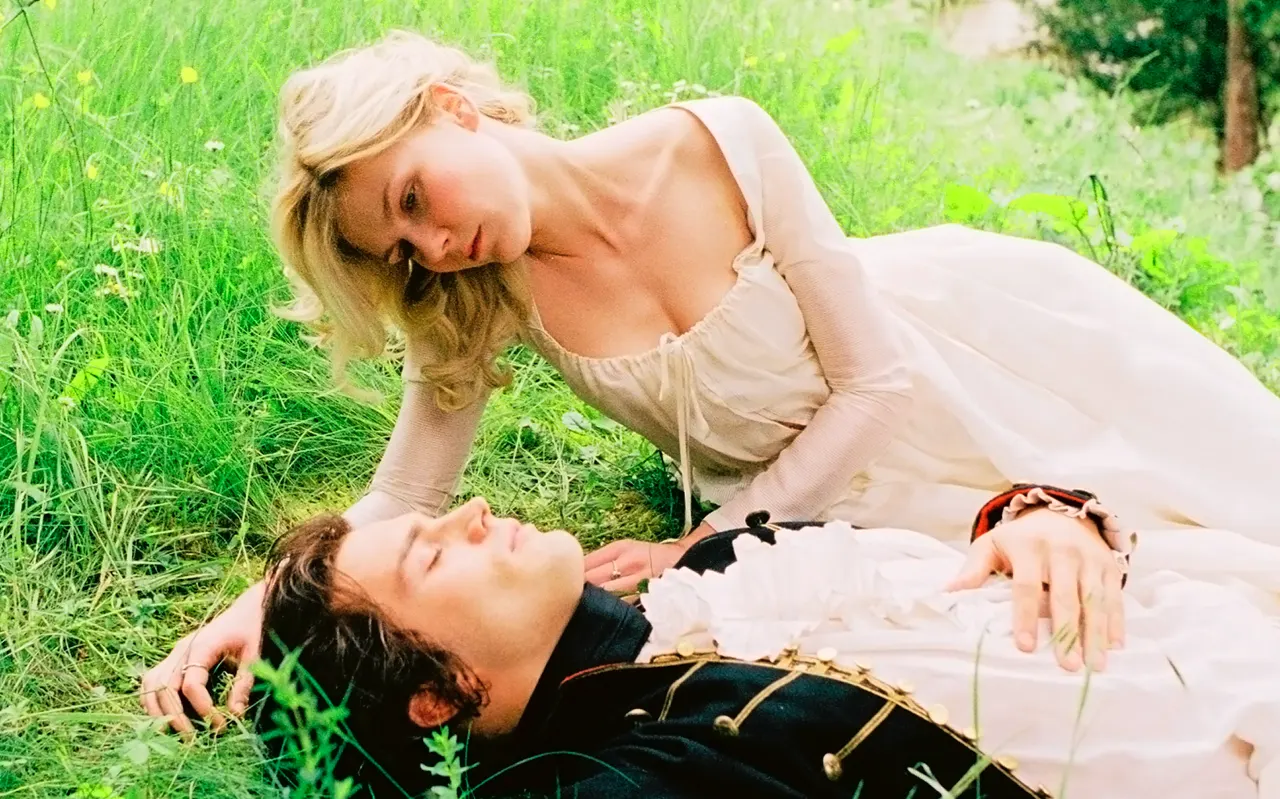
Sofia Coppola’s planned live-action adaptation of Hans Christian Andersen’s *The Little Mermaid* never reached the screen, but the article argues it remains a compelling Hollywood what-if. Unlike Disney’s versions, the film was to draw on the original, darker fairy tale, a story whose dreamlike imagery and themes of longing and sisterhood might have suited Coppola’s style.
The project passed through several writers and was initially linked to director Joe Wright before Coppola took it on. She had lined up Maya Hawke for the lead, but the studio reportedly resisted casting an unknown; Coppola left in 2015 over creative differences, and Chloë Grace Moretz later joined before departing in 2016. Andersen’s tale ends with the mermaid refusing to kill the prince, leaping into the sea and becoming sea foam before gaining the chance of an immortal soul.
In short
- Coppola’s Andersen-inspired mermaid film was never made.
- Maya Hawke was lined up for the lead role.
- The original fairy tale ends in sacrifice and possible redemption.
Steelman: both sides, in good faith
The strongest fair case each way — we don't pick a winner.
The case for
Coppola’s adaptation could have offered a distinctive alternative to familiar versions by taking Andersen’s darker ending and themes of longing and sisterhood seriously. Her restrained, atmospheric style and the proposed casting of Maya Hawke might have served the tale’s inward, dreamlike quality, making the unrealised film an intriguing artistic loss.
The case against
The project’s failure to reach the screen need not be seen as a lost masterpiece: its potential rests on speculation, and several writers and directors were involved before Coppola left over creative differences. A studio’s concern about casting an unknown could also be understood as a practical effort to manage the risks of an expensive adaptation, while the original tale remains available to readers and future filmmakers.
Explained simply
Hans Christian Andersen’s The Little Mermaid is a 19th-century fairy tale about a mermaid who longs to live on land and be with a prince. It differs from the familiar Disney versions: in Andersen’s story, the mermaid’s choice leads to a tragic ending, though she is offered a chance of an immortal soul.
Sofia Coppola is an American film-maker whose films often focus on characters’ private feelings and relationships. She planned a live-action version of Andersen’s tale, with Maya Hawke in the lead, after the project had passed through several writers and been linked to director Joe Wright.
Coppola left the project in 2015 amid creative differences, and later lead Chloë Grace Moretz departed in 2016. The story matters as an example of how a film can change as it moves between writers, directors, actors and studios, and of the different ways a familiar tale might be adapted.