World news and discussion on TalkFuse.
1,200 trucks sit in 26-mile queue waiting to enter Iran for days as Trump’s naval blockade hits regime’s economy
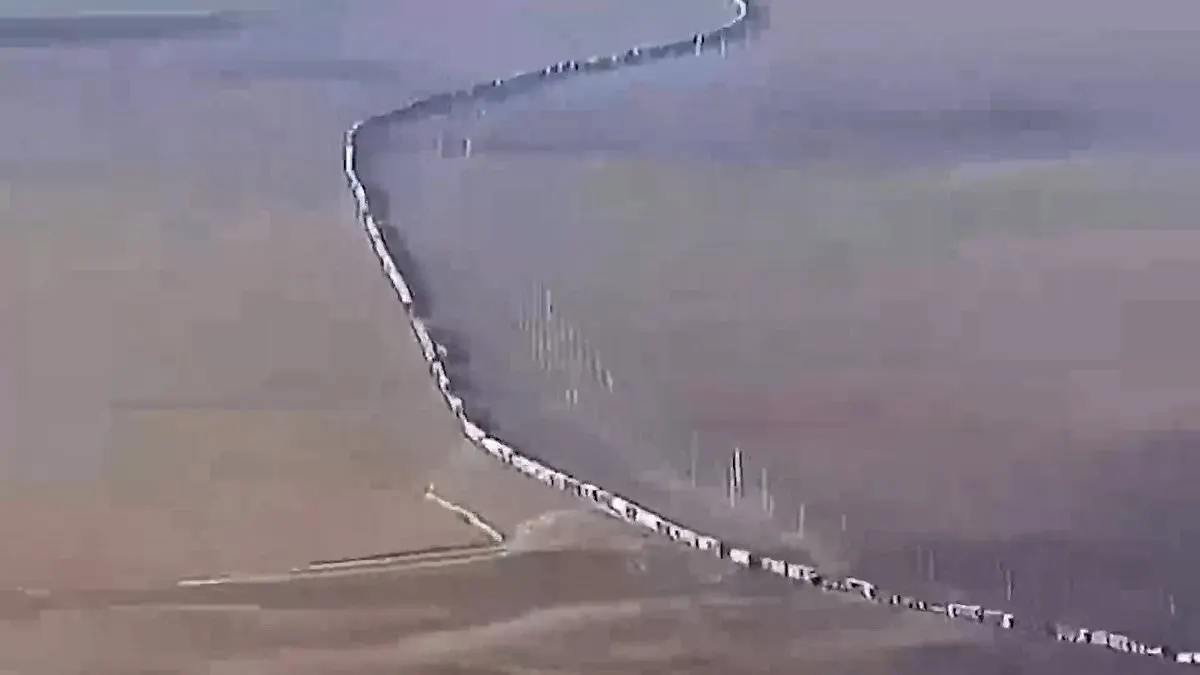
Around 1,200 lorries carrying goods from China are reportedly stuck in a 26-mile queue at the Yalama crossing between Kazakhstan and Uzbekistan, with drivers waiting for days. The disruption reflects how the US naval blockade of Iranian ports has shifted more cargo onto overland routes, raising costs and putting pressure on Iran’s ability to import goods.
Iranian officials say the crossing is handling about six times its previous volume, while moving a container by land now costs roughly £9,177, compared with £2,294 by sea. Some fresh produce remains stranded in China because it cannot pass through customs in Turkmenistan and Kazakhstan, and drivers have also reported weeks-long delays at Turkey’s Bazargan crossing. The report says the United States has intensified sanctions on Iran’s financial networks; after new measures were announced, black-market rates put the dollar at about 2.82 million rials, around 5 per cent higher than the day before.
In short
- About 1,200 trucks are backed up for 26 miles near Iran.
- The US port blockade has redirected cargo to slower land routes.
- Overland container transport costs roughly four times more than shipping.
Steelman: both sides, in good faith
The strongest fair case each way — we don't pick a winner.
The case for
Supporters of the blockade could argue that restricting Iran’s access to seaborne trade and tightening financial sanctions puts pressure on the regime without direct military action, and may limit resources available to its government. They may see economic pressure as a way to pursue security or political goals while signalling that Iran’s conduct carries costs.
The case against
Critics could argue that the blockade and sanctions raise the cost and delay of essential imports, with the truck queues and stranded produce illustrating burdens that can reach traders, drivers and ordinary consumers as well as the government. They may also question whether such pressure will change the regime’s conduct, given the disruption to regional trade and the risk of worsening economic hardship.
Explained simply
Iran relies on imports for many goods, and much of its trade with China has traditionally travelled by sea. US sanctions and restrictions on Iranian ports have made shipping harder, pushing more cargo towards land routes through Central Asia and Turkey.
The Yalama crossing is on the route between Kazakhstan and Uzbekistan, which lorries use to carry goods towards Iran. Iran’s government and businesses are among those affected by the costs and delays, while the United States is using sanctions to limit money and trade linked to Iran.
The disruption matters because it can make imported goods more expensive or harder to obtain in Iran. It also shows how pressure on one trade route can shift traffic onto roads and border crossings elsewhere.
Asia Business Economy Middle East World