£15m spent cleaning illegal waste supersite in ancient woodland
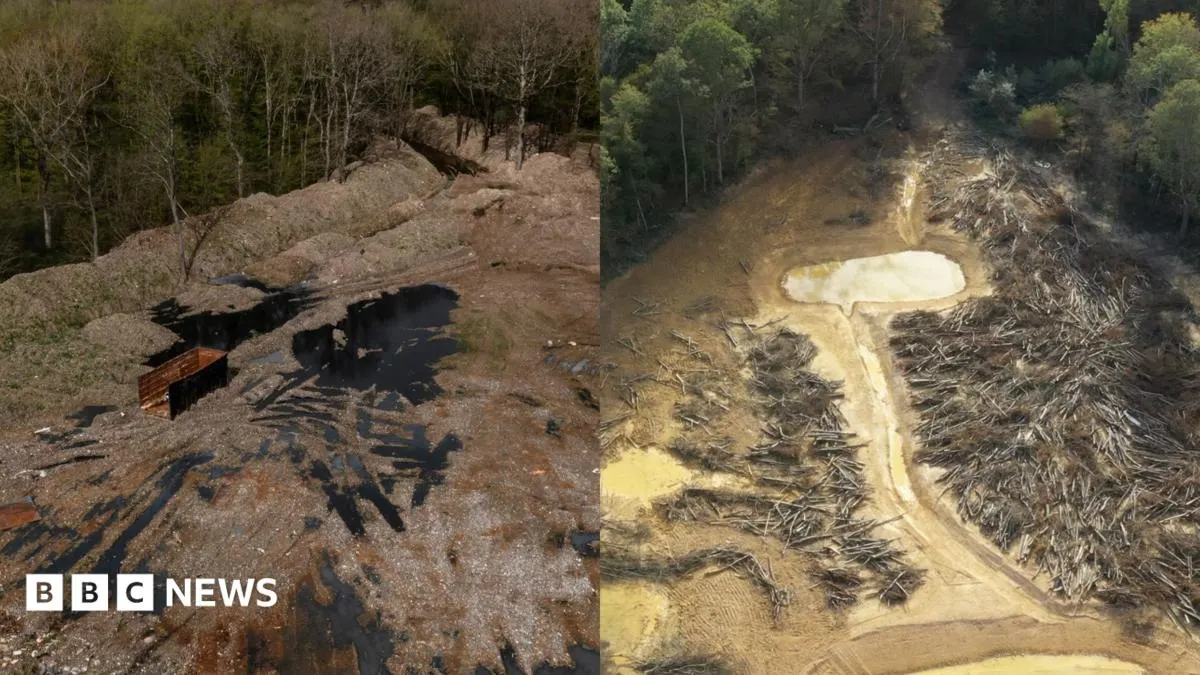
The clearance of an illegal waste supersite at Hoads Wood in Kent has been completed after 15 months, following a dumping operation that saw criminal gangs deposit nearly 40,000 tonnes of waste in an ancient woodland over just six months in 2023. The cleanup cost taxpayers £15m, making it the first supersite in England to receive central government funding for its restoration. The site, which is designated as a Site of Special Scientific Interest known for rare plants and wildlife, has now had all its waste removed to a landfill in Essex via 2,500 lorry loads.
The Environment Agency led the operation which began in June 2025, working alongside contractors and conservation groups including Kent Wildlife Trust and CPRE Kent. Whilst the physical cleanup is complete, campaigners and authorities express concern about future illegal dumping, with the EA introducing access restrictions, ditches to block waste trucks, and a joint "trigger plan" with police and local authorities for rapid response. The restoration effort is part of a broader government crackdown on waste crime, which costs the UK over £1bn annually; two other illegal supersites have required £10.8m in combined government funding for clearance.
- Kent illegal waste supersite cleared at £15m cost to taxpayers after 15-month operation
- Nearly 40,000 tonnes dumped in ancient woodland now removed by 2,500 lorry loads
- Authorities warn criminal gangs may return despite new security measures in place
New here? Start with this
Hoads Wood in Kent is an ancient woodland designated as a protected site because it supports rare plants and wildlife. In 2023, criminal gangs illegally dumped nearly 40,000 tonnes of waste there over just six months, contaminating this sensitive habitat. Removing this waste required 15 months of work by the Environment Agency, conservation groups, and contractors, who transported 2,500 lorry loads to an Essex landfill.
The cleanup cost £15m in taxpayer funding, making Hoads Wood the first illegal dumping site in England to receive central government money for its restoration. Illegal waste dumping is a major problem across the UK, costing the nation over £1bn annually and affecting many vulnerable natural sites. To protect Hoads Wood from future illegal dumping, authorities have installed access barriers and a rapid-response plan involving police and local councils.
Both sides, in good faith
The strongest fair case each way — we don't pick a winner.
The case for
The ancient woodland and SSSI at Hoads Wood represent irreplaceable public assets that belong to all citizens and warrant restoration regardless of fault. Criminal gangs responsible for the dumping have largely evaded accountability, making government action necessary to prevent permanent ecological loss. The £15m investment protects precious natural heritage and demonstrates governmental commitment to environmental restoration when crimes threaten what cannot be recreated.
The case against
Whilst ecological restoration is important, taxpayers should not bear the full cost when waste criminals should be held financially liable. This precedent of public funding for dumpsites diverts resources from other environmental priorities and creates moral hazard, reducing incentives for robust enforcement against waste crime. The government should strengthen polluter accountability rather than treating taxpayer-funded cleanups as a standard response to environmental crime.