Inheritance tax receipts forecast to reach £15bn by 2031 amid calls for exemptions
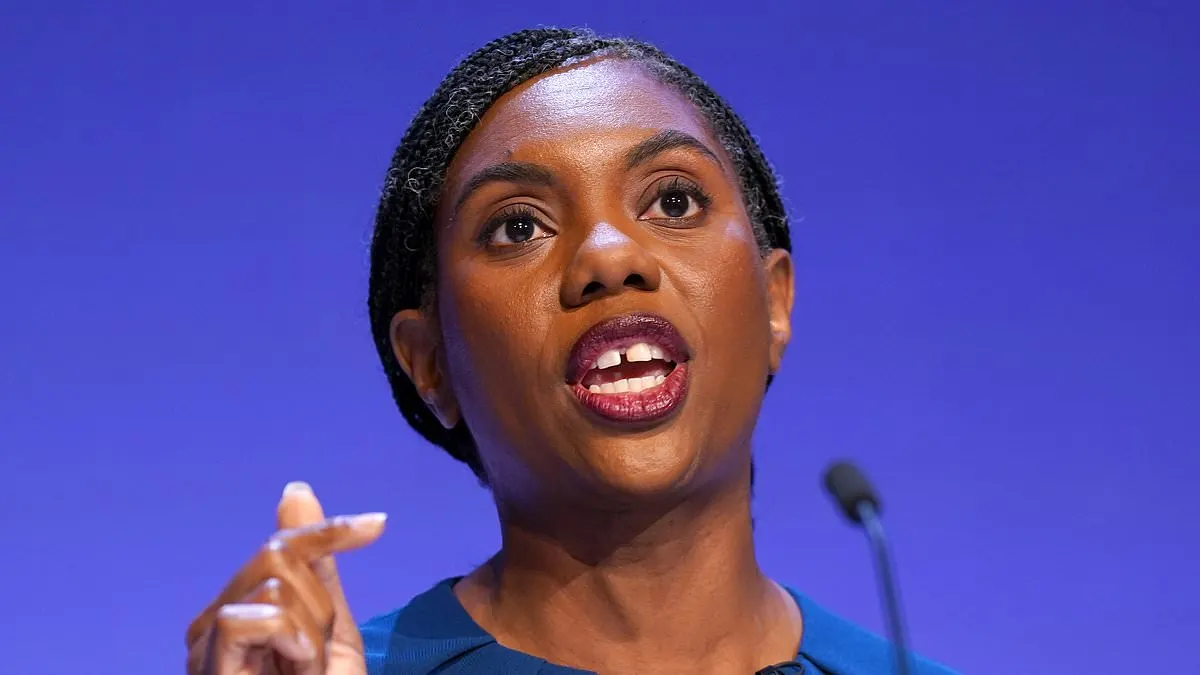
An Onward report warns that annual inheritance tax receipts could rise from £7 billion last year to £15 billion by 2031, as frozen thresholds and policy changes bring more estates into scope. The forecast has renewed debate over the tax, with Conservative leader Kemi Badenoch proposing exemptions that she says would protect families passing on their homes and other assets.
The Conservative plan would exempt the family home regardless of value and let couples pass on an additional £1 million tax-free. YouGov polling of more than 6,000 adults found 61 per cent supported the home exemption and 18 per cent opposed it, with support across regions and parties. Onward estimates receipts could reach £12.6 billion by 2030, when about 52,000 estates may pay; economists say the proposed changes could cost £7.7 billion to £10.9 billion a year, above the Tories’ £6 billion estimate.
- Inheritance tax receipts are forecast to double to £15 billion by 2031.
- Polling found 61 per cent support for exempting family homes.
- Economists estimate the Conservative plan could cost more than £6 billion yearly.
New here? Start with this
Inheritance tax is charged on some of the money, property and other assets left when someone dies. The amount due depends on how much an estate is worth and which allowances apply; estates below the relevant thresholds usually pay nothing.
The thresholds have been frozen, so rising asset values can bring more estates into the tax system even if the rules do not change. The Conservative Party, led by Kemi Badenoch, has proposed removing inheritance tax on the family home and allowing couples to pass on an extra £1 million tax-free.
The debate concerns how to balance tax revenue with the amount families can pass on. Estimates of the cost of the proposed exemptions differ, and changing the rules could affect both how many estates pay tax and how much the government collects.
Both sides, in good faith
The strongest fair case each way — we don't pick a winner.
The case for
Families understandably wish to pass on assets they have worked for their entire lives, and public opinion demonstrates broad support across regions and parties for protecting the family home. As frozen thresholds mean rising property values push more middle-class families into the tax net, exemptions address a fairness concern about ordinary savers rather than merely protecting the wealthy.
The case against
Exempting homes regardless of value would chiefly benefit the wealthiest, who hold the most expensive properties, whilst costing £7.7–10.9bn annually that must come from public services or other taxpayers. Inheritance tax's revenue is vital for funding public goods and addressing wealth concentration; removing exemptions for assets that most clearly represent accumulated wealth undermines this principle when public resources are constrained.
Elections Politics Research Science World
Read the full article at the source →
Originally published by Daily Mail as “Treasury’s inheritance tax windfall to double in five years – as polling reveals public support for Kemi Badenoch’s plan to cut it”.