17 Years Later, Star Trek Officially Abandons Its J.J. Abrams Movie Timeline
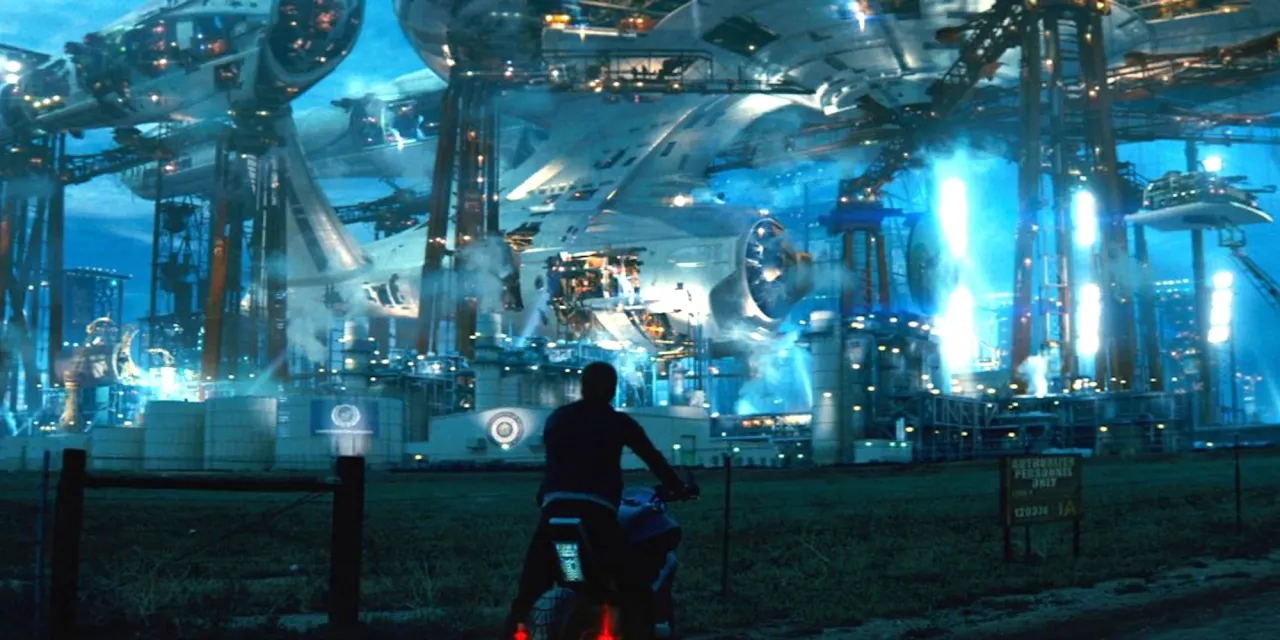
Paramount’s next Star Trek film, being developed by Jonathan Goldstein and John Francis Daley, will tell a new story outside J.J. Abrams’ Kelvin timeline. The shift effectively ends the film series that began in 2009, although its influence on the wider franchise remains.
Goldstein and Daley said the film will feature no familiar characters and take place further in the future, drawing inspiration from Crimson Tide and Training Day. A fourth Kelvin film, including a proposed reunion between Chris Pine’s Kirk and his father, played by Chris Hemsworth, never materialised. The timeline also received a comic-book sendoff in which the U.S.S. Theseus encounters its crew.
- The next Star Trek film will leave the Kelvin timeline behind.
- Goldstein and Daley plan a new story with no legacy characters.
- A comic crossover gives the Kelvin crew a sendoff.
New here? Start with this
Star Trek is a science-fiction franchise about the crews of starships exploring space, often facing political disputes and unfamiliar worlds. Its stories have been told in television series, films, books and comics, with some films set in different versions of the same fictional universe.
The Kelvin timeline began with J.J. Abrams’ 2009 film, which created an alternate history for familiar characters such as Captain James T. Kirk. Chris Pine played Kirk, while Chris Hemsworth appeared as his father. The films gave audiences a separate route into Star Trek, while the wider franchise continued to develop other stories and settings.
The next film is being developed by Jonathan Goldstein and John Francis Daley, whose story is set further in the future and is intended to stand apart from those familiar characters. Its place in the franchise matters because Star Trek films have often connected to established characters, while the series as a whole spans many periods and crews.
Both sides, in good faith
The strongest fair case each way — we don't pick a winner.
The case for
Moving beyond the Kelvin timeline gives the films room to tell a fresh story, introduce new characters and explore a more distant future without relying on familiar faces or unresolved plans for a reunion film. A clean break may also help the franchise evolve while retaining the influence of the 2009 film in its wider universe.
The case against
Leaving the Kelvin timeline behind closes off a distinct strand of Star Trek that began in 2009 and had its own cast, tone and audience. Continuing it could have honoured that investment and resolved storylines such as the proposed reunion of Kirk and his father, rather than ending the film series without that on-screen conclusion.