26 Years Ago, ‘Buffy’s Worst Character Got the Replacement He Desperately Needed
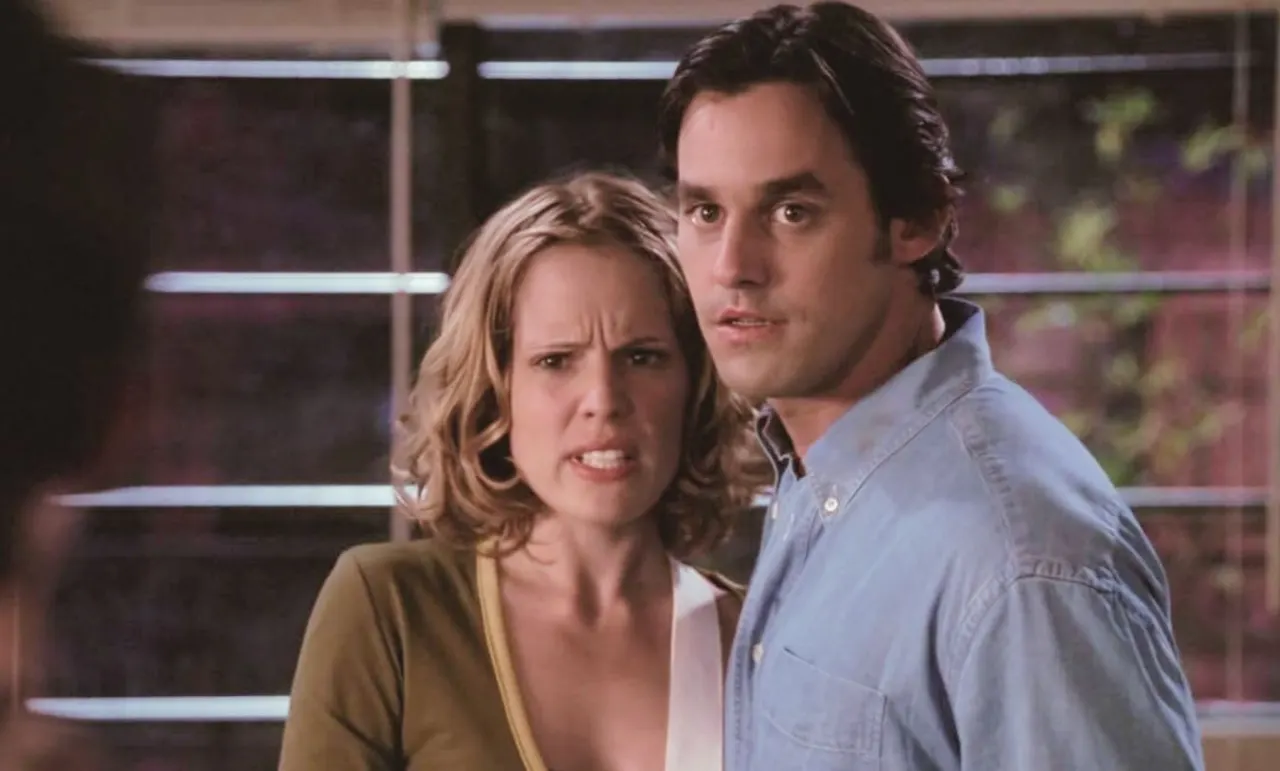
In season five of *Buffy the Vampire Slayer*, “The Replacement” gives Xander Harris a story focused on his anxieties about adulthood and his place among the group. A demon’s beam splits him into two versions, forcing the often comic-relief character to confront his insecurity and ambition; the episode matters because it makes his flaws part of a more nuanced path towards self-acceptance.
The confident Xander gets a promotion, finds a desirable flat and plans a date with Anya, while his insecure counterpart watches with resentment. Buffy explains that harming either would destroy both, and Willow reunites them after Buffy defeats the demon. The episode presents the two sides as inseparable, and echoes the season’s wider concerns: Giles doubts his usefulness, Buffy fears losing her humanity, and Willow struggles with control.
- A demon splits Xander into confident and insecure versions.
- The episode uses the crisis to explore his self-acceptance.
- Its themes echo doubts faced by other characters in season five.
New here? Start with this
Buffy the Vampire Slayer was a television series that ran from 1997 to 2003, following a young woman tasked with fighting supernatural threats. Xander Harris was one of Buffy's closest allies, though he was frequently used as the group's comic relief character. In the fifth season episode "The Replacement", a demon's magical attack splits Xander into two separate versions of himself.
The two Xanders represent his conflicting sides: one confident and ambitious, the other anxious and insecure. The confident version gains success—a job promotion, a flat of his own, and romantic prospects—while the insecure version grows resentful watching from the sidelines. The episode explores his internal conflict about growing up and his place within the group through this supernatural premise.
The story also connects to broader themes running through the season, as other characters face their own struggles with identity and doubt. By presenting both sides as inseparable rather than simply eliminating one, the episode suggests that conflicting feelings are integral to how people develop.
Both sides, in good faith
The strongest fair case each way — we don't pick a winner.
The case for
"The Replacement" offers genuine character development by presenting Xander's insecurity and ambition as interconnected struggles with adulthood and self-worth, elevating him beyond comic relief. By positioning his anxieties within season 5's broader thematic concerns—Giles's doubts about usefulness, Buffy's loss of humanity, Willow's control issues—the episode demonstrates that his vulnerabilities merit serious engagement, making his journey toward self-acceptance a meaningful narrative contribution rather than a dismissible subplot.
The case against
Whilst "The Replacement" is a thoughtful episode, Xander's character arc across the series remains marked by entitlement and problematic treatment of women, issues that a single episode of introspection does not adequately address. Meaningful character development requires sustained growth and accountability, and presenting his insecurity as sympathetic without examining how it enables his harmful behaviour risks excusing rather than understanding his flaws, leaving his characterisation ultimately incomplete.