4 US cities are the lucky winners of Trump’s $300M crime crackdown contest
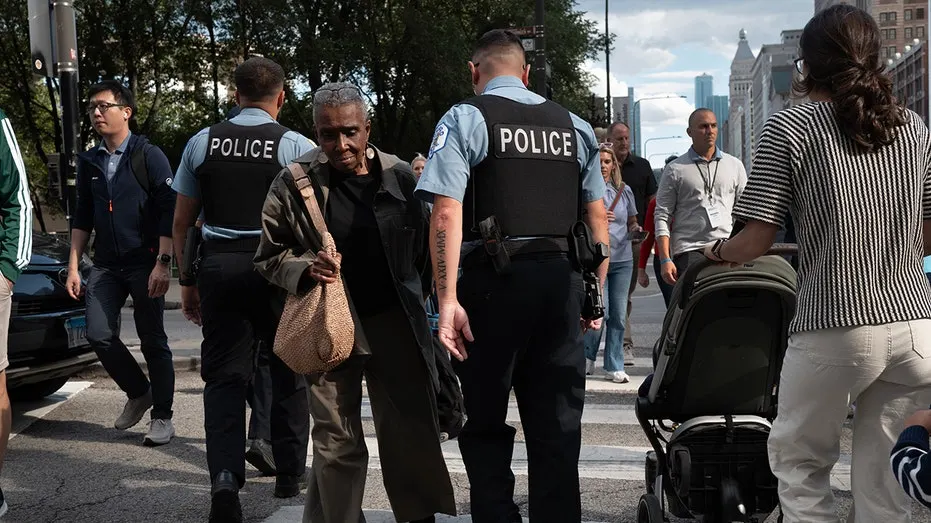
Four US cities will share nearly $300 million in federal grants after being selected for the Justice Department’s Model Cities Initiative, a competition for plans to reduce violent crime and improve public safety. The awards matter because they could add tens of millions of dollars to local budgets and support strategies tailored to each city.
Jacksonville, Baton Rouge, Jackson and St. Louis were chosen from cities invited to submit comprehensive plans. The department has not yet announced how the money will be divided, but it says funds may support hiring, equipment and technology, forensic work, and programmes addressing mental health, substance abuse and repeat offending. The article highlights falling murder rates in Jacksonville and St. Louis, while Baton Rouge faces an officer shortage and Jackson proposed a technology-led approach.
In short
- Four cities will share almost $300 million in federal funding.
- Grants will support locally tailored public safety strategies.
- Individual award amounts have not yet been announced.
Steelman: both sides, in good faith
The strongest fair case each way — we don't pick a winner.
The case for
Supporters can argue that concentrating federal grants in cities with detailed plans may help local authorities address urgent, city-specific safety needs, from police staffing and forensic capacity to mental health and substance abuse programmes. If the investments are well targeted and assessed transparently, they could strengthen prevention and investigations while helping communities where violent crime remains a serious concern.
The case against
Critics can argue that a competitive grant programme risks favouring cities best able to prepare persuasive applications, rather than directing funds according to need or proven effectiveness. They may also question whether the proposed mix of policing, technology and social programmes will deliver lasting reductions in violence, and whether the selection and eventual allocation of funds are transparent enough to ensure public accountability.
Explained simply
The US federal government can give money to local authorities to support policing and other efforts to reduce crime. The Justice Department is the federal department responsible for law enforcement policy and grants, while city leaders and police departments decide how local services are run.
Jacksonville and St. Louis are in Florida and Missouri, respectively; Baton Rouge is Louisiana’s capital, and Jackson is Mississippi’s capital. Each city faces different public-safety challenges, so plans can include policing alongside services addressing mental health, substance use and repeat offending.
Federal grants can affect how much cities are able to spend on staff, equipment and community programmes. The initiative matters because its funding may help local authorities put their crime-reduction plans into practice, though the amount each city receives will shape what it can support.
Americas Business Markets World