40 Days For Life CEO Shawn Carney on ‘College GameDay’ religious sign ban: ‘Nobody’s for this’
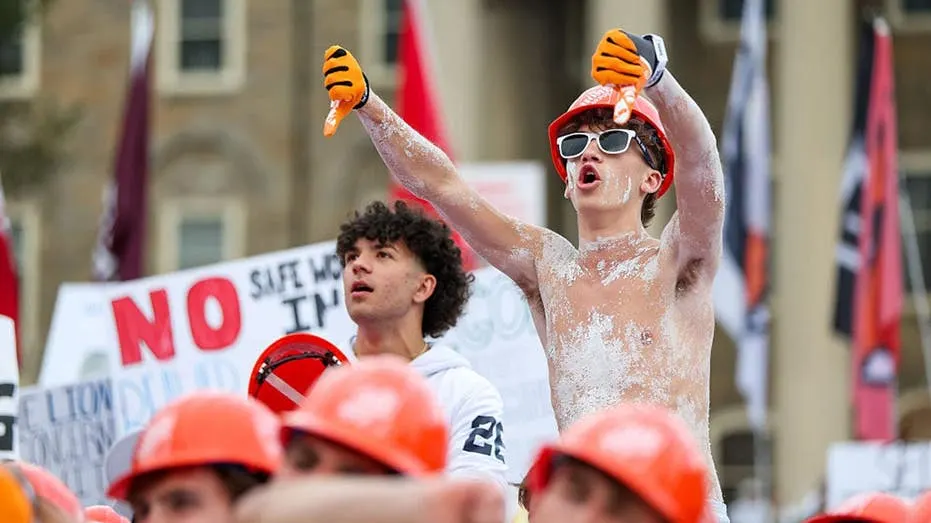
ESPN introduced a ban on religious signs at “College GameDay” before its broadcast from Tuscaloosa, prompting criticism from 40 Days For Life chief executive Shawn Carney. He called the decision misguided, arguing that faith is an important part of college football culture and that the restriction could alienate many fans.
The article says fans have long used handmade signs on the programme, which has travelled to college campuses for more than three decades. Carney questioned why the rule was introduced at the University of Alabama, and claimed it would chiefly affect Christians; the article provides no response from ESPN or details on how the ban will be enforced.
- ESPN barred religious signs at “College GameDay” in Tuscaloosa.
- Shawn Carney criticised the policy as misguided.
- He says the ban risks alienating faith-based fans.
New here? Start with this
College GameDay is ESPN’s weekly college American football programme, broadcast from a different university campus before major matches. Fans in the crowd have traditionally held up handmade signs, which are shown during the programme.
Shawn Carney leads 40 Days for Life, a Christian anti-abortion organisation that runs campaigns outside abortion facilities. The dispute concerns whether religious messages should be allowed on signs shown during a sports broadcast, and how a restriction might affect fans who want to express their faith.
Both sides, in good faith
The strongest fair case each way — we don't pick a winner.
The case for
A religious-sign ban may help ESPN keep the broadcast focused on football and apply consistent limits to messages displayed on camera, regardless of their viewpoint. A venue-wide rule can also reduce disputes over which religious or political signs are acceptable, while leaving fans free to express their beliefs elsewhere.
The case against
College GameDay has a long tradition of fan-made signs, and faith is part of many supporters’ college and sporting culture. Banning religious signs may therefore feel like an unnecessary restriction on peaceful expression and leave religious fans feeling singled out, particularly if ESPN has not explained the rule or how it will be applied.