Business news and discussion on TalkFuse.
7-OH Users Are Stockpiling and Doing Reddit Detoxes to Prep for Ban
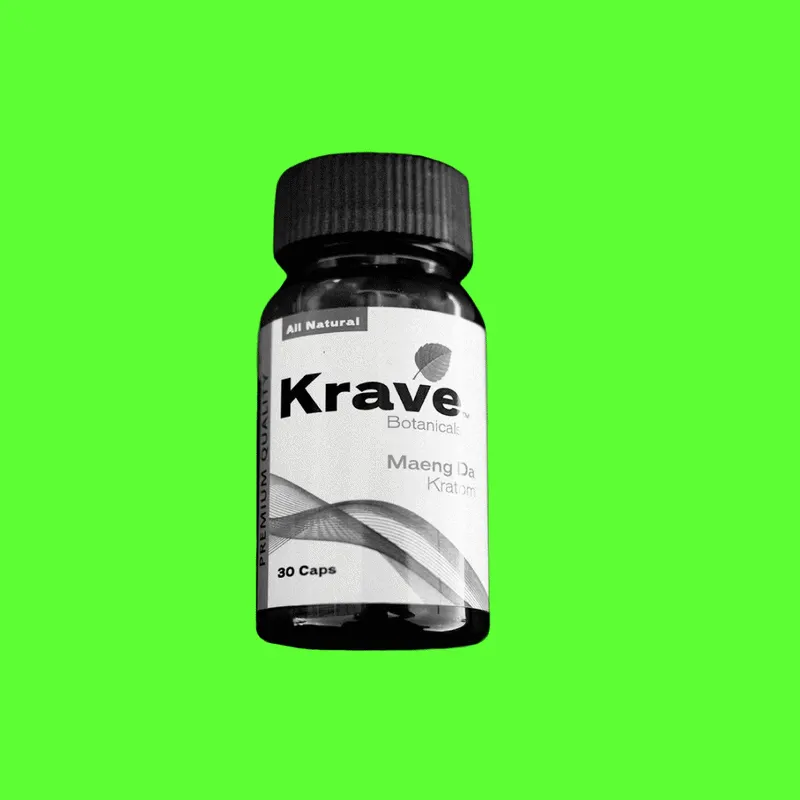
The US Drug Enforcement Administration is preparing to temporarily classify 7-hydroxymitragynine (7-OH), a potent compound derived from kratom, as a Schedule I controlled substance from 5 August at the earliest, placing it alongside heroin. The move has alarmed regular users, some of whom rely on the unregulated substance to manage chronic pain, and reports suggest people are stockpiling supplies or attempting Reddit-guided detoxes ahead of the ban. The decision highlights tensions between the mainstream kratom industry, which argues 7-OH is a distinct and more dangerous product, and 7-OH users and sellers who say it should not be separated from kratom and provides genuine relief.
The temporary ban would last two years, with a possible one-year extension, while the DEA works towards permanent scheduling; roughly a dozen US states have already banned the substance. The DEA cites 7-OH's opioid-agonist properties and "significant public health risk" as justification, while officials including Health Secretary Robert F Kennedy and Homeland Security Secretary Markwayne Mullin, both reportedly linked to the kratom industry, have publicly criticised 7-OH products. Users interviewed described dependency, escalating costs, and severe withdrawal, while others, such as a New York man managing injuries from a serious motorcycle accident, say the compound has been more effective than prescribed opioids and fear losing access to it.
In short
- DEA plans to classify 7-OH as Schedule I from 5 August.
- Users are stockpiling supplies and attempting home detoxes beforehand.
- Kratom industry and 7-OH advocates are split over the ban.
Steelman: both sides, in good faith
The strongest fair case each way — we don't pick a winner.
The case for
Users and advocates argue that 7-OH provides meaningful relief for chronic pain and serious injuries where conventional treatments have failed, and that Schedule I classification is disproportionate to actual risks for a pain management substance. They contend that banning removes medical access for vulnerable patients, risks driving them towards more dangerous alternatives, and question whether pharmacological properties alone—rather than consideration of actual harm patterns and medical utility—should determine such severe restrictions.
The case against
Public health authorities argue that 7-OH's opioid-agonist properties create addiction and severe withdrawal risks comparable to controlled opioids, and that an unregulated, variable-purity substance poses significant public health danger given the ongoing opioid crisis. They contend that temporary scheduling allows proper scientific assessment whilst preventing another opioid-like epidemic, and that regulatory status should be determined by pharmacology and risk rather than botanical origin or current user patterns.
Explained simply
7-hydroxymitragynine, known as 7-OH, is a potent compound derived from kratom, a plant native to Southeast Asia. The US Drug Enforcement Administration is set to temporarily classify it as a Schedule I controlled substance from 5 August at the earliest, placing it in the same legal category as heroin, with the ban lasting two years and potentially extendable by one year.
Many people use 7-OH to manage chronic pain and other conditions, with some finding it more effective than prescribed opioid medications. The substance is currently unregulated at the federal level, though roughly a dozen US states have already banned it.
The DEA justifies the ban by citing 7-OH's opioid-like properties and what it characterises as a significant public health risk. However, the kratom industry and 7-OH users dispute this assessment, arguing that 7-OH should not be treated separately from kratom. The debate has become politically complex, with some government officials publicly opposing the ban despite reported connections to the kratom industry.
Business Health Markets Mental Health