8 R-Rated War Movies That Can Be Called Masterpieces
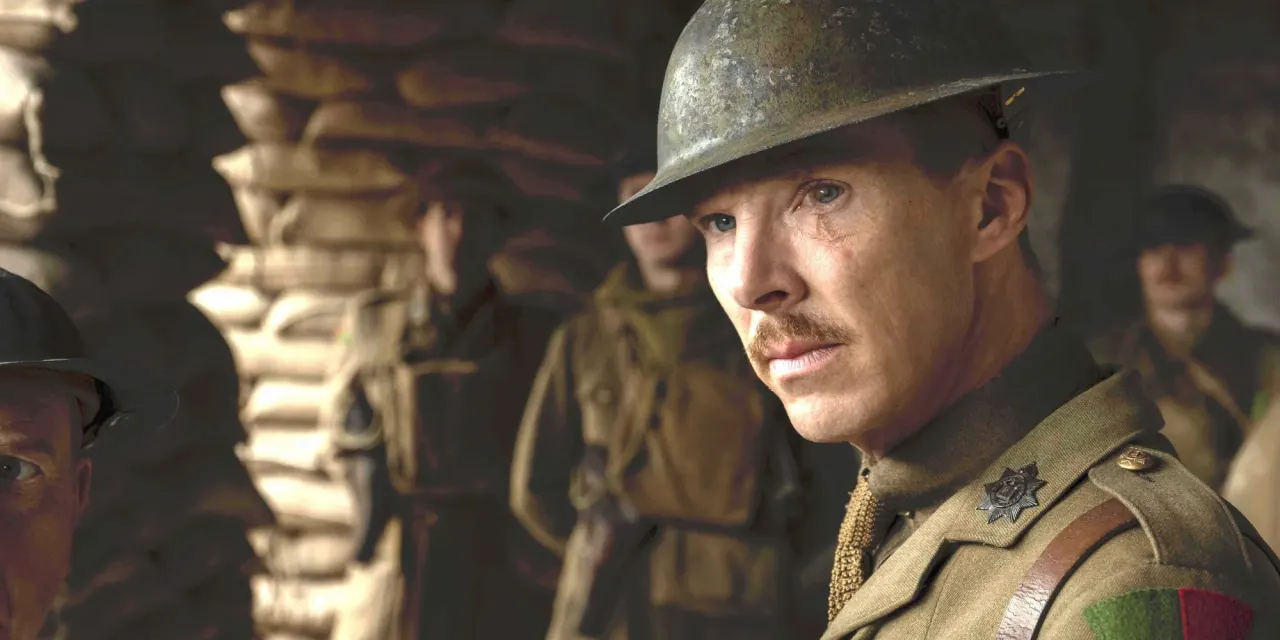
War cinema often fails by veering toward either romanticising combat or drowning viewers in suffering until soldiers become abstract symbols rather than people. This article examines eight films that achieve critical acclaim by maintaining balance, presenting warfare's complexity as it shifts depending on perspective. The masterpieces show combat as confusion where military orders clash with personal instinct, and where survival hinges on decisions no one should have to make, resisting easy moral conclusions.
Examples include Black Hawk Down, which depicts the 1993 Battle of Mogadishu through overlapping squads rather than a single protagonist, emphasising soldiers' bonds over distant heroism. Similarly, 1917 follows two British soldiers on an urgent cross-territory mission using continuous camera technique to place viewers in their experience of hardship and isolation. Both films avoid providing audiences with easy resolutions, instead grounding their narratives in the human costs and psychological weight of armed conflict.
- Eight acclaimed war films prioritise human complexity and moral ambiguity over either glorification or despair
- Black Hawk Down and 1917 exemplify cinema that presents combat through soldier perspectives rather than heroic narratives
- Critical masterpieces use technique and storytelling to immerse audiences in warfare's confusion and impossible choices
Both sides, in good faith
The strongest fair case each way — we don't pick a winner.
The case for
War films achieve their greatest artistic and cultural value through unflinching realism that refuses to let audiences escape into abstraction or romanticism. By depicting actual confusion, terror, and human cost, films like Black Hawk Down and 1917 create authentic empathy that shapes how citizens understand armed conflict, honouring soldiers' real experiences whilst deterring easy militarism. This graphic honesty serves essential functions in preventing glorification and informing democratic discourse.
The case against
Graphic violence, even with anti-war intent, may desensitise audiences rather than educate them, and cinematic techniques can inadvertently glamorise warfare despite thematic intent. Narrative restraint, moral complexity, and character-driven storytelling can communicate war's horror equally effectively without requiring R-rated realism. Elevating such films to masterpiece status risks normalising extreme violence as essential to serious art, when powerful anti-war cinema can achieve its aims through subtlety and sophisticated storytelling rather than visceral spectacle.