8 Thriller Books That Can Be Called Masterpieces
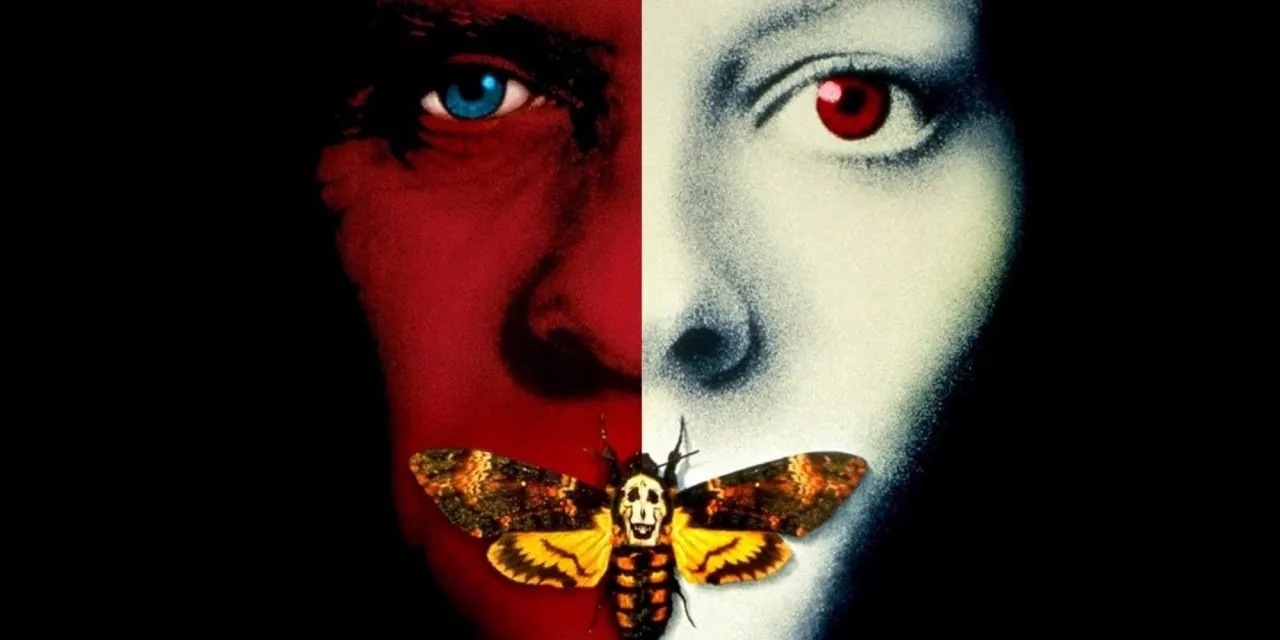
Collider has compiled a list of eight thriller novels it argues qualify as genuine masterpieces, distinguishing them from books that merely rely on twists or fast pacing. The author's criterion is that a true classic thriller retains its tension even after the central secret is revealed, with characters compelling enough to sustain rereading. The piece notes that many of these titles have gone on to be adapted for screen, underlining their lasting cultural impact.
Among the entries are Frederick Forsyth's "The Day of the Jackal" (1971), praised for building suspense around procedure and preparation despite readers knowing the historical outcome; Dennis Lehane's "Shutter Island" (2003), highlighted for how its twist deepens rather than diminishes on reflection; and Stephen King's "Misery" (1987), centred on the psychological battle between a captive novelist and his obsessive "number one fan," Annie Wilkes. The extract provided covers these three in detail, with the full list running to eight titles overall.
- Collider names eight thriller novels it calls genuine masterpieces.
- Key criterion: tension endures even after the twist is known.
- Featured titles include "The Day of the Jackal," "Shutter Island" and "Misery."
New here? Start with this
Thriller novels are among the most widely published and read books, yet they occupy an uncertain place in literary criticism. Many thrillers are enjoyed mainly for their plot twists and fast pacing, but others are recognised as masterpieces that remain powerful long after readers know how the story ends. The line between a page-turner and a work of genuine literary value is not always clear to readers and critics alike.
Thrillers recognised as masterpieces typically succeed through more than just their plots. They feature compelling characters and psychological depth that reward rereading, even when the central mystery is already known. Many acclaimed thrillers have gained widespread cultural impact through film and television adaptations, and critics regularly debate which ones deserve recognition as genuine literary classics.