$800-a-day penalty threatens to bleed investigative reporter dry as explosive legal fight escalates
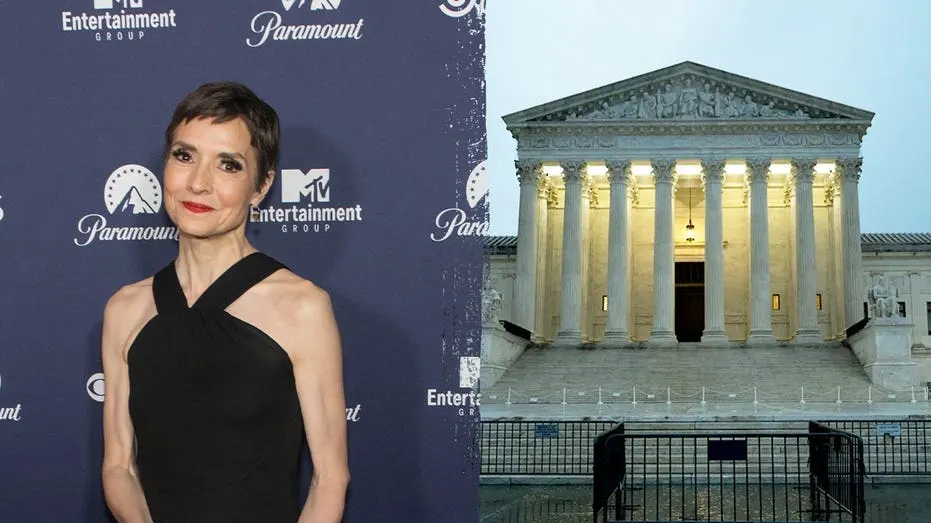
Former Fox News reporter Catherine Herridge has asked the US Supreme Court to protect the confidential sources behind her 2017 reporting on businesswoman Yanping Chen and her university’s links to US military personnel. The case could affect how much protection journalists receive when asked to reveal sources in civil lawsuits, an issue on which federal appeals courts disagree.
Chen, who was investigated but never charged, is suing the federal government, alleging officials unlawfully disclosed her private records to Herridge. She says identifying the sources is needed for her claim under the Privacy Act; Herridge argues disclosure would harm journalists’ ability to obtain sensitive information. A federal court held Herridge in contempt and imposed a penalty of $800 a day for refusing to name her sources. Her legal team says the Pentagon later ended the university’s eligibility for tuition assistance, which had provided about $200,000 a month.
In short
- Catherine Herridge asks the Supreme Court to protect her sources.
- She faces an $800 daily penalty for refusing to identify them.
- The case could shape journalists’ source protections in civil lawsuits.
Steelman: both sides, in good faith
The strongest fair case each way — we don't pick a winner.
The case for
Protecting confidential sources can be essential to investigative journalism: people with evidence of official misconduct may not speak if they risk being identified, and compelled disclosure could weaken reporting on matters of public interest. Herridge’s side can argue that strong source protection safeguards press freedom and that courts should be cautious about ordering disclosure in civil cases.
The case against
Chen can argue that the Privacy Act is of little use if a person cannot identify who unlawfully disclosed her records, and that a source’s identity may be necessary evidence in her case. On this view, journalists should not receive blanket immunity from disclosure orders, particularly where a court finds the information relevant and imposes a proportionate penalty for non-compliance.
Explained simply
Catherine Herridge is a US journalist who reported in 2017 on Yanping Chen, a businesswoman whose university had links to US military personnel. Chen was investigated but not charged. She later sued the federal government, claiming officials unlawfully disclosed her private records to Herridge.
The case centres on whether Herridge can be required to identify confidential sources who supplied information for her reporting. Chen says their identities could help her show that government officials broke privacy law; Herridge says revealing them could make sources less willing to speak to journalists. A court has ordered her to pay a daily penalty for refusing.
The dispute matters because US courts differ on how strongly journalists’ sources are protected in civil lawsuits. The Supreme Court’s decision could affect when reporters may be compelled to reveal who gave them information.